
The Jeffrey Dahmer that true crime culture presents is a curated collection of horrors. The cannibal. The monster. The apartment of unspeakable things. But Jeffrey Dahmer was alive for thirty-four years, and within those years there are details so quiet, so human, so entirely absent from the popular narrative that they function almost as corrections. This article is a collection of those details. Each one is sourced. Each one is real.
He Was Born With Corrective Casts on His Legs
Joyce Dahmer’s baby scrapbook — preserved and later quoted by Brian Masters — notes that Jeffrey “scared us by having correctional casts on his legs from birth till four months.” He also needed small shoe lifts until around the age of six. He arrived in the world needing correction, already slightly at odds with the shape things were supposed to take. He weighed 6 pounds 15 ounces, was 18.5 inches long, had auburn hair and, as Masters describes them, luminously blue eyes.
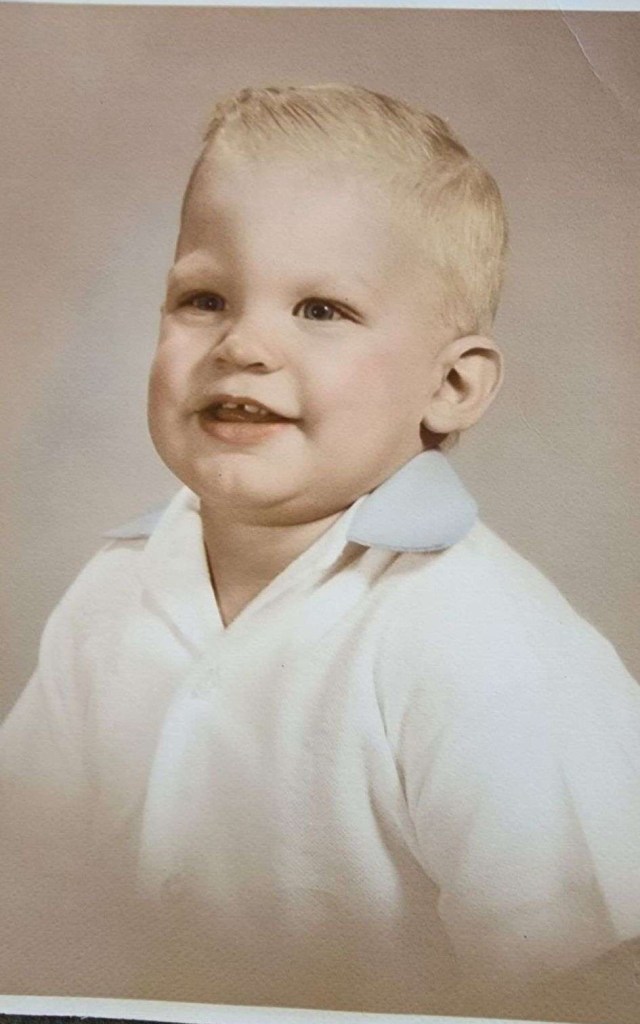
His First Prayer
By the time he was two years old Jeffrey could speak. He called himself Jeffy, said potty, up pease, and TV. His first memorised prayer, recorded in Joyce’s scrapbook, was: “Now lay me down to sleep, I pray the Lord my soul to keep. God bless everyone. Make Jeffy a good boy. Amen.” He was two years old. He was asking God to make him good before he had any reason to think he might not be.
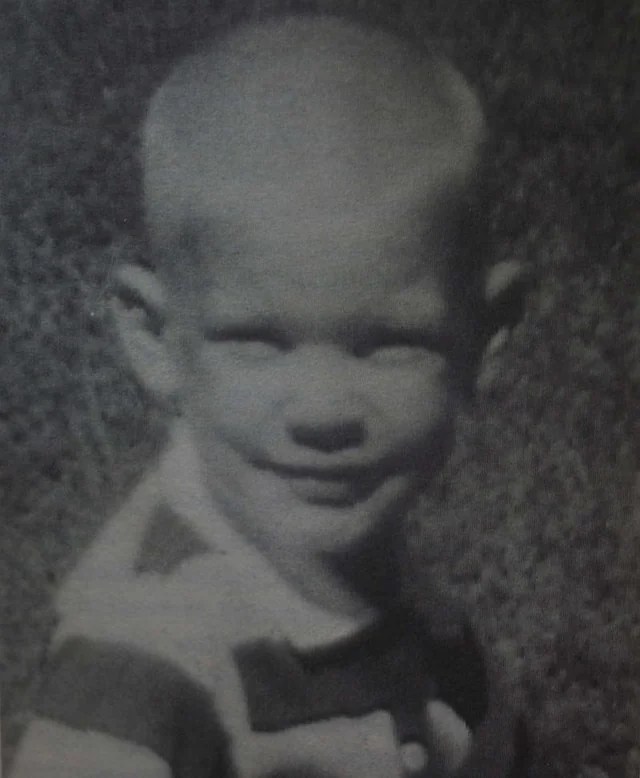
The Nighthawk Called Dusty
In his primary school years in Iowa, Jeffrey and his father Lionel spotted something in a parking lot that Lionel initially mistook for a ball of dust. Jeffrey looked closer and recognised a baby nighthawk — a small bird that had fallen from its nest. They took it home and raised it. Jeffrey named it Dusty. “It was almost like a pet,” he recalled years later. “It would come back when you called it, eat out of your hand and stuff like that.” In the years that followed, across every interview and psychiatric evaluation, he returned to Dusty unprompted. It may be the single happiest memory of his childhood.
He Played “I Am the Walrus” on Repeat
When Jeffrey enrolled at Ohio State University in 1978, his three room-mates found him almost immediately unbearable — not because of anything sinister, but because he would lie on the top bunk of his dorm room and play a Beatles album over and over again, singing along, particularly to the track I Am the Walrus. He also pinned a photograph of Vice-President Walter Mondale to the wall for no discernible reason. He attended almost no classes, recorded his lectures on tape and listened to them while drinking, and broke down and cried alone in his room. He dropped out at Christmas.
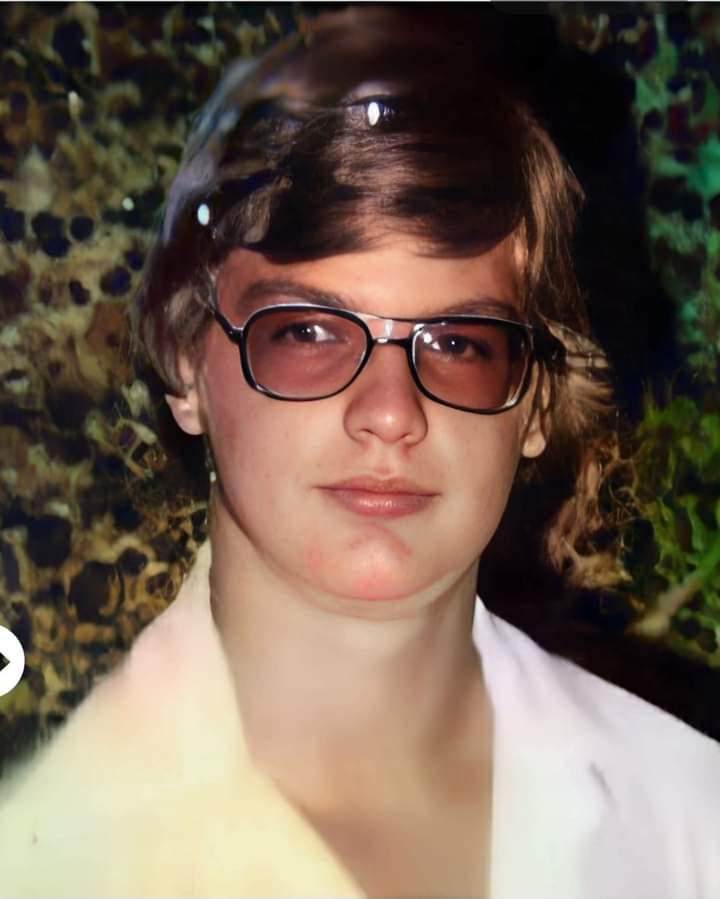
He Donated Blood to Fund His Drinking
Still at Ohio State, unable to cover his alcohol expenses on his father’s modest allowance, Jeffrey found a solution. He donated blood at the university plasma centres — twice weekly — until his fingernails had to be marked by the staff to prevent him donating more than once a week. He was nineteen years old.
The Prom and the McDonald’s
For his senior prom Jeffrey was set up with a sixteen-year-old girl called Bridget Geiger by two classmates who had difficulty finding him a date. Bridget accepted only on the condition he would not drink. When he arrived at her house he was not wearing a tuxedo — the sine qua non of the occasion — while she had dressed in a long party dress. He was so nervous trying to pin the corsage on her dress, almost afraid of touching her skin, that her mother had to do it for him. It was, visibly, his first date.
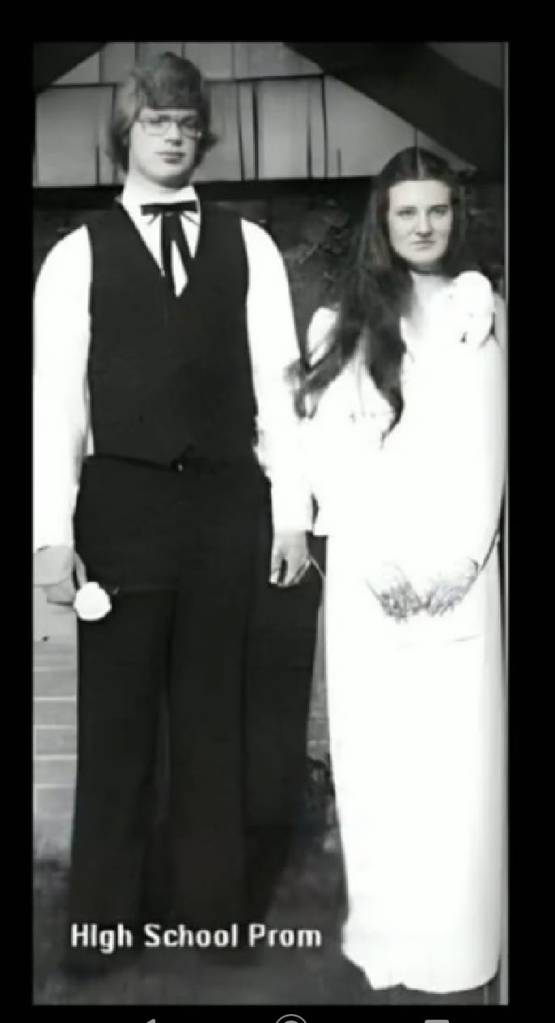
At the prom, shortly after arriving, Jeffrey disappeared. Bridget felt stranded and humiliated. When he reappeared, he claimed he had not eaten enough at dinner and had gone looking for a McDonald’s, and got lost. He had been absent for most of the prom and had clearly been drinking. He dropped Bridget home two hours early, shook her hand, and wished her goodnight.
He Was Sent to a Brothel Against His Will
Stationed in Baumholder, West Germany with the 2nd/68th Armour Division, Jeffrey was the subject of some concern among older soldiers because he had no girlfriend and had admitted he had never kissed a girl. A group of them decided to help. They took him to a well-known brothel in Vogelway. Two soldiers dragged him inside and introduced him to a girl. When they regrouped, Jeffrey was gone. He had quietly slipped out without doing anything. When pressed, he told them he had never wanted to go there in the first place and did not “need” any girl. One of the older men quietly formed the opinion that he might be homosexual — not based on any overtly feminine attributes, but because “he always seemed like he was hiding something.”
He Walked Eight Miles Through a Snowstorm and Remembered Nothing
During a Thanksgiving dinner at the home of fellow soldier Carlos Cruz in Germany, an argument broke out between Jeffrey and another soldier. Jeffrey quietly stood up at 10:30pm and walked out into the snow. Baumholder was approximately eight miles away, around a mountain, in freezing temperatures. Cruz searched for him but eventually gave up.
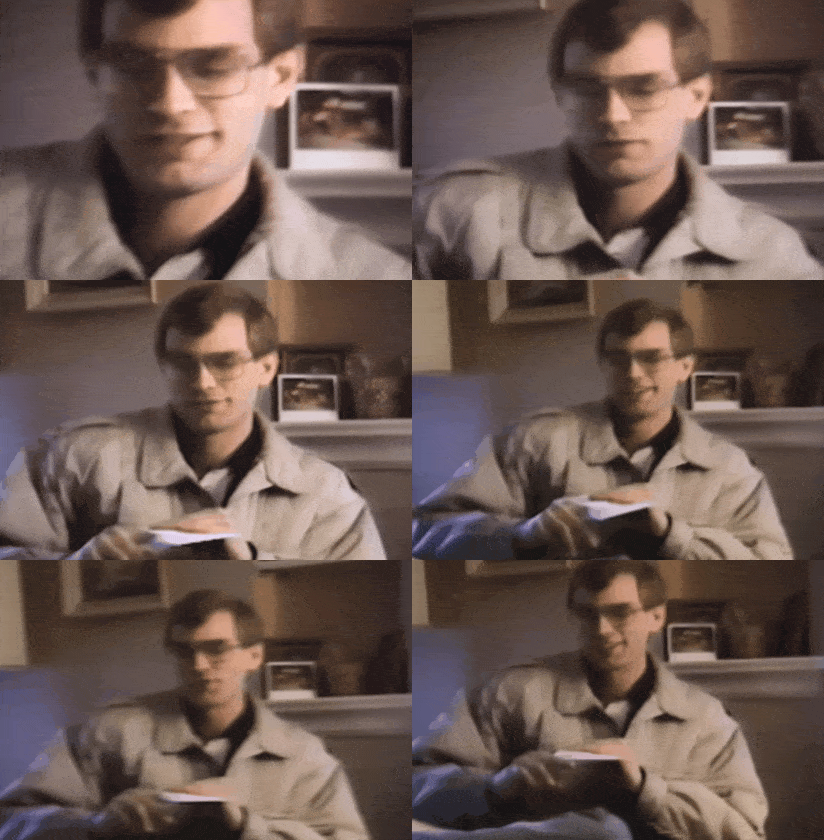
Four hours later Jeffrey appeared back at the door. He seemed confused and vague, had lost his glasses, and could not remember where he had been or what he had done. His jacket was not as cold as it should have been after four hours in sub-zero temperatures. Cruz noticed what appeared to be traces of blood on his clothing. Jeffrey sat down and stared at the kitchen table. He told Cruz he assumed he must have done “something bad.” A few days later he remarked: “You know, sometimes the best thing for the soul is to confess.”
He Was Significantly Short-Sighted
His army medical file includes an eyewear prescription dated April 11, 1979, issued at Noble Army Hospital, Fort McClellan, Alabama. The prescription reads: right eye − 5.50 with +0.50 cylinder, left eye −5.25 with +0.50 cylinder. He was significantly myopic — nearsighted enough that without his glasses the world beyond a few feet would have been a genuine blur — and had mild astigmatism in both eyes. The prescription was for a protective mask insert, meaning his lenses were being fitted into his M17A1 army gas mask so he could see clearly during drills and exercises.
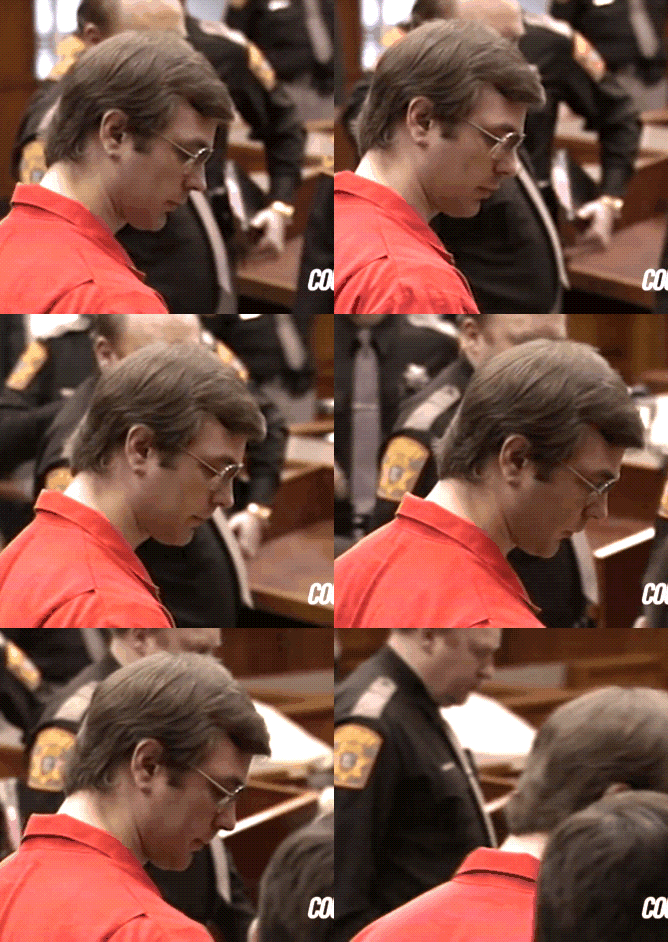
It is worth setting this against the Thanksgiving snowstorm: when Jeffrey disappeared into the freezing dark and came back four hours later without his glasses, he had been moving through a world he could barely see. Whatever happened out there, he was doing it nearly blind.
He Lost the Hearing in One Ear
Jeffrey’s drinking in the army eventually reached a point where his repeated insubordination caused the entire platoon to be punished on his behalf. Several of the men turned on him and gave him a severe beating. He was bloodied, and the blow to the side of his head burst his eardrum. He lost the hearing in that ear, and suffered periodic attacks of ear pain connected to the injury for the rest of his life — Masters documents that the earache persisted even ten years later. His army medical records, preserved at the National Personnel Records Center, formally document the injury as otitis media, right ear, traumatic, with restrictions prohibiting any exposure to loud noise, dirt, dust, or moisture.
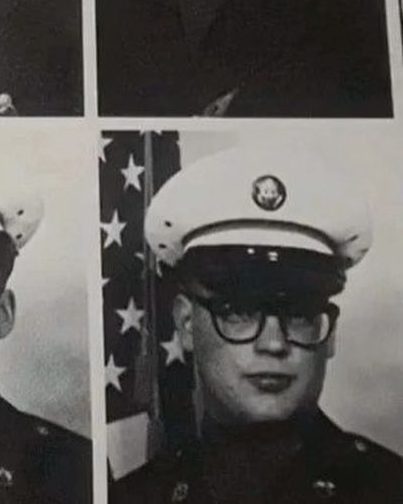
The records also document episodes of vertigo and dizziness — the expected consequences of inner ear damage, which disrupts the vestibular system responsible for balance. He was discharged from the army six months early, with an honourable discharge, but carrying permanent physical damage from the one place that was supposed to straighten him out.
He Was a Trained Army Medic
In May 1979, while stationed in the army, Jeffrey was sent to the Army Hospital School in San Antonio, Texas, where he completed a six-week course in medicine and emerged as a qualified medic. Masters documents this directly: it was, notably, the first time in his life that he had managed to settle into a sustained course of study and see it through to completion. He was then assigned to the Battalion Aid Station in Baumholder, where he drew blood, administered injections, and provided basic medical care to soldiers. His DD-214 discharge certificate lists his primary specialty as 91B19 — Medical Specialist — held for one year and nine months.
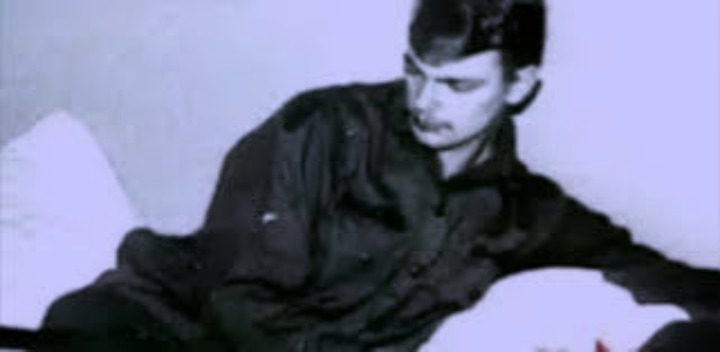
He was, in other words, trained to preserve life. He knew how the body worked from the inside — not from pathology or obsession, but from formal medical instruction. This is the same person who, years later, would take a job as a phlebotomist because it was close to what he knew. The same person who quit that job because he disliked hurting people with needles. The distance between the medic and the monster is one of the most disorienting facts in this entire story.
He Was a Phlebotomist Who Hated Hurting People — and Disliked Blood
After the Army discharge, Jeffrey moved to Milwaukee and took a job as a phlebotomist at the Milwaukee Blood Plasma Center — drawing blood from donors, a skill he had learnt during his army medical training. By all accounts he was technically competent. But he disliked the job, and his specific reason is documented: he could not stand sticking people with needles. He hated causing that small discomfort.
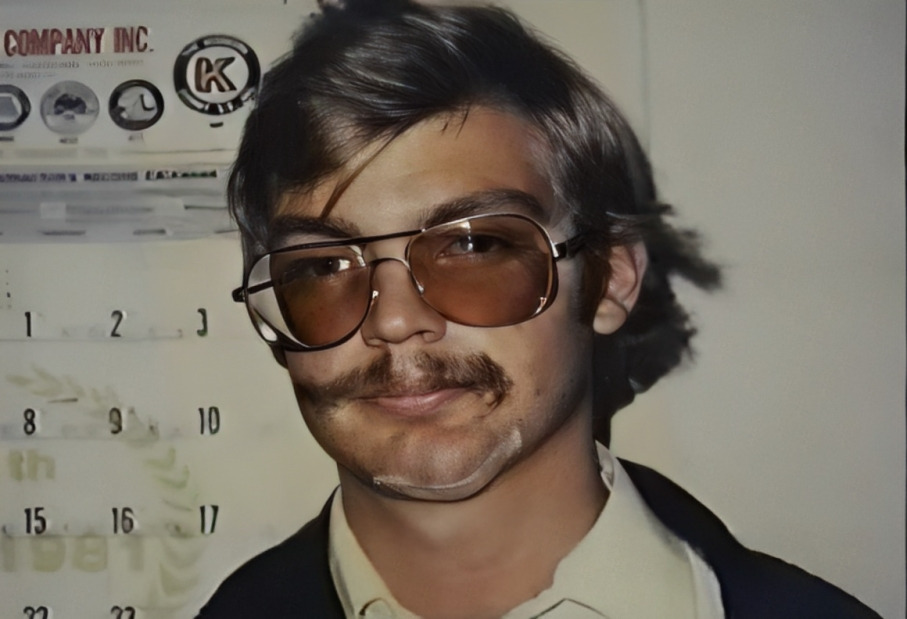
At some point during his time at the plasma centre, he also secretly concealed a vial of blood and took it to the roof of the building, where he drank it — driven, as Masters documents, by some obscure and fumbling curiosity about what it might taste like. He did not like it. He spat it out. It is worth pausing on that detail. The man so often labelled a cannibal tasted blood once, in private, out of a compulsion he could barely articulate, and immediately rejected it. He quit the job shortly after. The label has never fit the person.
He Slept on a Beach in Miami to Escape Himself
After his early Army discharge in March 1981, Jeffrey was given a travel voucher to anywhere in the United States. He chose Florida — specifically Miami Beach — because he could not face returning to the cold of Ohio. He took a room in a motel and found work at the Sunshine Subs sandwich bar, working seven days a week and spending everything he earned on drink. Florida did not turn out to be the escape he had hoped for.
During his six months in Miami, he made exactly one friend — an English girl called Julie, who worked illegally at the same sandwich bar on a visitor’s visa. She was the only female friend he would ever have, right up until his arrest in 1991. At one point she asked him if he would marry her to secure her US citizenship. He was not keen, and gently discouraged her interest.
When he ran out of money and could no longer afford the motel room, he took his belongings to the beach and simply slept there every night after his shift, under the stars. He eventually concluded that life like this would lead nowhere. He phoned his father, who sent him the fare home, and in September 1981 he returned to Ohio. He had tried to escape from himself. It hadn’t worked.
He Had Ragweed Hay Fever
Among the documents submitted with his army enlistment application in December 1978 was a letter from his Akron physician, Dr. C.B. Kroeger, confirming that Jeffrey suffered from ragweed hay fever — managed with Kenalog injections each season. Dr. Kroeger noted he had been treating him since 1976. It is one of the most ordinary details in the entire file: a young man with seasonal allergies, a doctor in Ohio who knew his name, a letter written on headed paper. A life that had, once, the texture of ordinary life.
His Blood Type Was O Positive
Jeffrey Dahmer’s blood type is recorded as O positive on his U.S. Army SF-88 Report of Medical Examination, completed at AFEES Cleveland, Ohio, at the time of his enlistment in December 1978. The document is preserved in full at the National Personnel Records Center as part of his military service file. It is a small and strangely human detail — the most common blood type in the world, shared by roughly forty-four percent of the population. He was not, in his biology, exceptional in any way.
He Bought Himself a Ring
Jeffrey liked jewellery. At some point during his adult years he saved up and bought himself a ring with a blue stone — a significant purchase, costing him over a thousand dollars. He wore it and loved it. Eventually, when money became tight, necessity took it away from him and he had to pawn it. It is a small and quietly human detail: a man who found pleasure in a beautiful object, who wore it proudly, and who had to let it go.
He Was Also a Victim
While serving time at the Milwaukee House of Correction following his 1988 conviction, Jeffrey was permitted to leave the facility during the day for work. One Christmas Eve, unable to face returning to the facility over the holiday, he spent the night in bars instead. He drank beers, then moved on to a strong liquor called Yukon Jack, and ended up in conversation with an older white man at the 219 Club. The next thing he remembered was waking in the stranger’s house to find himself, in Masters’ account, “hog-tied” — bound above a bed, being beaten and violated with a candle. He screamed loudly enough that the man eventually let him down. He dressed and left as quickly as he could. He was five hours late returning to the House of Correction. Masters documents that it was not until the following day that he was able to evacuate the candle.
He spoke of the incident later with a strange lightness, the detachment of someone who had learnt very early not to let pain show. But it happened. It is documented. And it is worth sitting with: the man the world called a monster was also, on a Christmas Eve in Milwaukee, a person who was preyed upon, restrained, and violated by a stranger. The world contains more than one kind of horror.
He Was Six Foot One
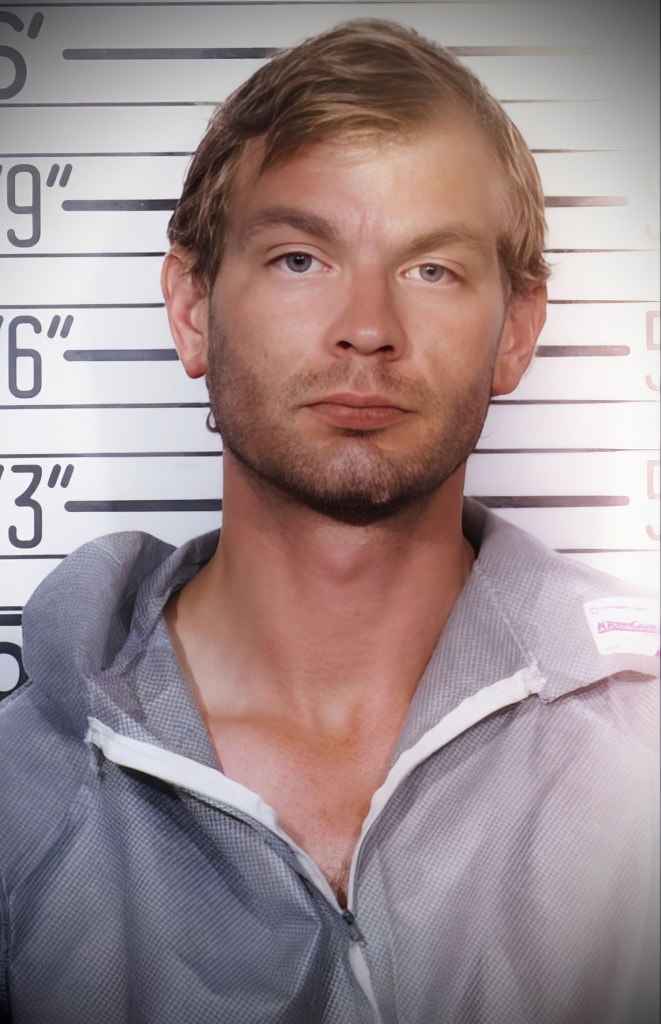
Jeffrey Dahmer’s height is visible in his Milwaukee Police Department arrest photograph, dated July 23, 1991 — the mugshot taken two days after his arrest. Standing against the height chart, he reaches just above the six-foot mark, approximately six feet one inch tall (around 185 centimetres). It is a detail that tends to surprise people who have only seen him in court photographs, seated and diminished. He was a tall man. Physically, he looked like someone you would not immediately worry about. That was part of how it worked.
He Vacuumed on Sundays
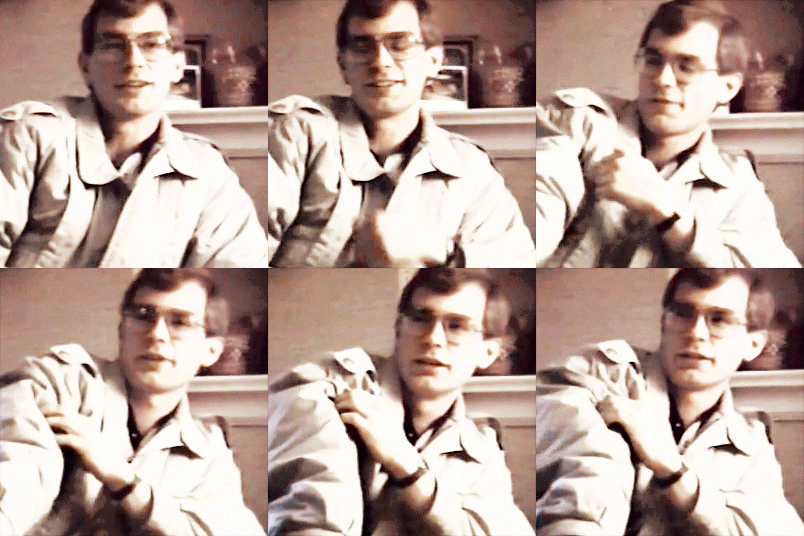
This is perhaps the most quietly ordinary detail in the entire documented record of Jeffrey Dahmer’s life. Neighbours at the Oxford Apartments — some of whom would later give evidence at his trial — noted that he vacuumed his apartment on Sunday mornings. Every Sunday. He was a reliable vacuumer. The apartment was, in many respects, neatly kept.
The Cats
Neighbourhood cats followed him. Residents of the Oxford Apartments recalled seeing Jeffrey at the large green dumpster in the backyard with a gathering of cats at his feet — not a couple, but, as one neighbour described it, twenty or more, going crazy trying to jump up and get at his rubbish. During his years at his grandmother Catherine’s house in West Allis, he also knew exactly how to brush her cat the way she liked. This detail is recorded in Lionel Dahmer’s memoir. He remembered it from prison, years later, without being prompted.
His Favourite Colour Was Yellow
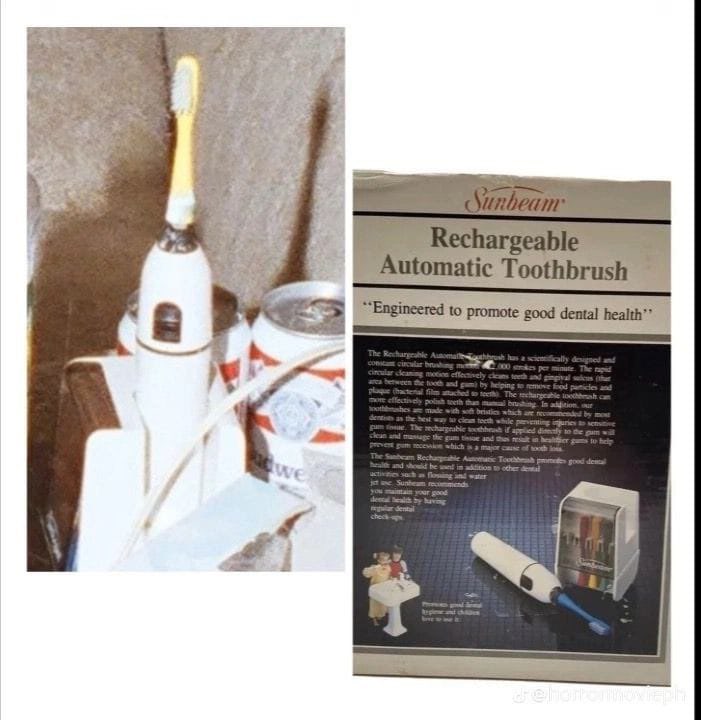
Yellow. Not tentatively, not as an afterthought — yellow was a consistent thread across his entire life. Yellow roses in his grandmother’s garden, which he planted himself. A yellow toothbrush. A yellow bicycle. The yellow highlighters he ordered from the prison canteen in 1992. Even in the darkest place, he ordered yellow highlighters.
He Missed His Fish
The aquarium in Apartment 213 was meticulously maintained, with four books on fish care found in the apartment. Anne Schwartz, the journalist who was among the first inside the apartment after his arrest, noted that the fish tank was conspicuously clean and wholesome amid everything else — full of living plants and exotic fish that appeared to be well cared for. From prison, speaking to Lionel during a visit, Jeffrey said: “I really miss that fish tank. I used to spend hours just watching them.” He was serving nine hundred and fifty-seven years. He missed the fish.
Sources: Lionel Dahmer, A Father’s Story, 1994; Brian Masters, The Shrine of Jeffrey Dahmer, 1993; Patrick Kennedy and Robyn Maharaj, Grilling Dahmer, 2016; Anne E. Schwartz, Monster: The True Story of the Jeffrey Dahmer Murders, 1992; Frederick A. Fosdal, M.D., psychiatric interview, January 9, 1992; Milwaukee Police Department arrest photograph, July 23, 1991; Jeffrey L. Dahmer U.S. Army Service File (SF-88 Report of Medical Examination, DD Form 771 Eyewear Prescription, DD-214 Certificate of Release, DA Form 3349 Physical Profile, and associated medical records), National Personnel Records Center, St. Louis, Missouri, Record Group 319.


