
On the morning of May 10, 1994, two events dominated the news in Wisconsin.
The first was a near-total solar eclipse. The noon sky darkened to something eerie and unsettling, the kind of darkness that makes people stop and look up and wonder what it means.
The second was the execution of John Wayne Gacy in Illinois. As was common ritual, reporters gathered opinions from people on the street. Was the eclipse a sign from God? Was it divine condemnation of the execution? Was it mercy? Everyone had a reading for the darkness.
Roy Ratcliff, a Church of Christ minister from Madison, Wisconsin, was driving through that same darkened afternoon toward the Columbia Correctional Institution in Portage. He was not going to witness an execution. He was going, as he would later write, to assist in a new birth.
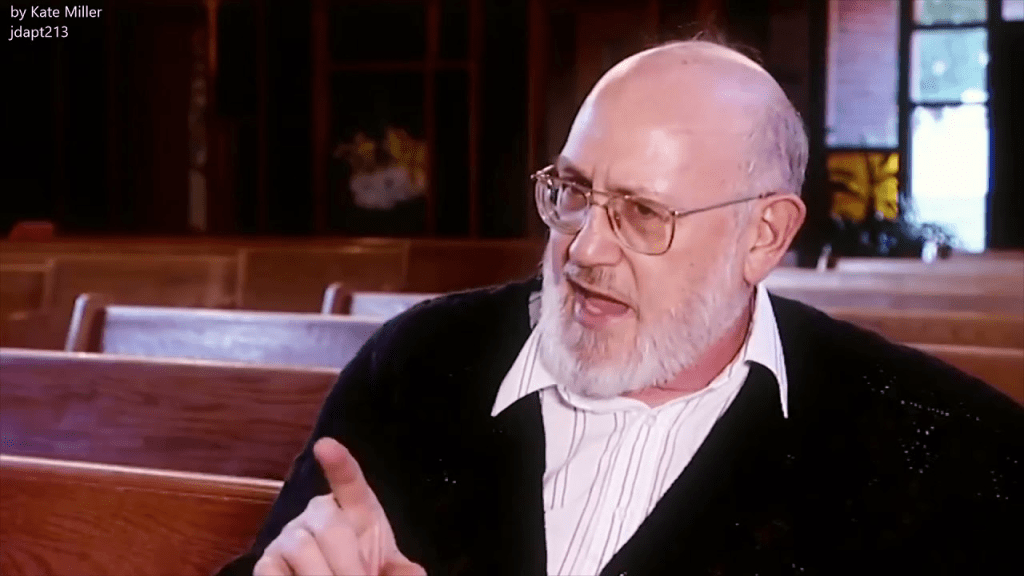
He was going to baptise Jeffrey Dahmer.
How It Began
The chain of events that led to that afternoon began on an ordinary Wednesday evening five weeks earlier — April 6, 1994.
Curtis Booth, a minister in Oklahoma active in prison work, had been contacted by a prisoner in Wisconsin who wanted to become a Christian. Booth reached out to Rob McRay, a preacher in Milwaukee. McRay knew that Ratcliff lived closer to the prison and called him at suppertime — unusual timing, since both men had Wednesday evening services.
Before telling Ratcliff the prisoner’s name, McRay asked if he was sitting down. April 1st had been only a few days earlier, he said. This might sound like a hoax.
The prisoner’s name was Jeffrey Dahmer.
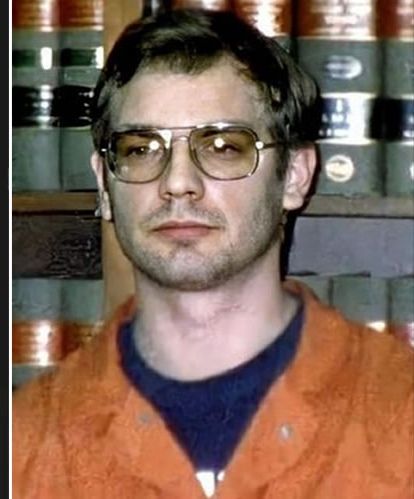
Ratcliff had never done prison work. He agreed to look into it.
Two Years Before the Water
What is less often noted is that Jeffrey’s turn toward faith did not begin in prison.
At his sentencing in 1992, Jeffrey read aloud from 1 Timothy 1:15-16: a passage about Christ coming to save sinners, “of whom I am the worst,” and about the worst of sinners being shown mercy as an example of what grace can do. He chose that passage deliberately. He read it in court, to the people whose lives he had destroyed. The media, according to what he told Ratcliff later, generally left that part out when they aired the coverage.
The seed was already there, two years before anyone baptised him.
May 10, 1994
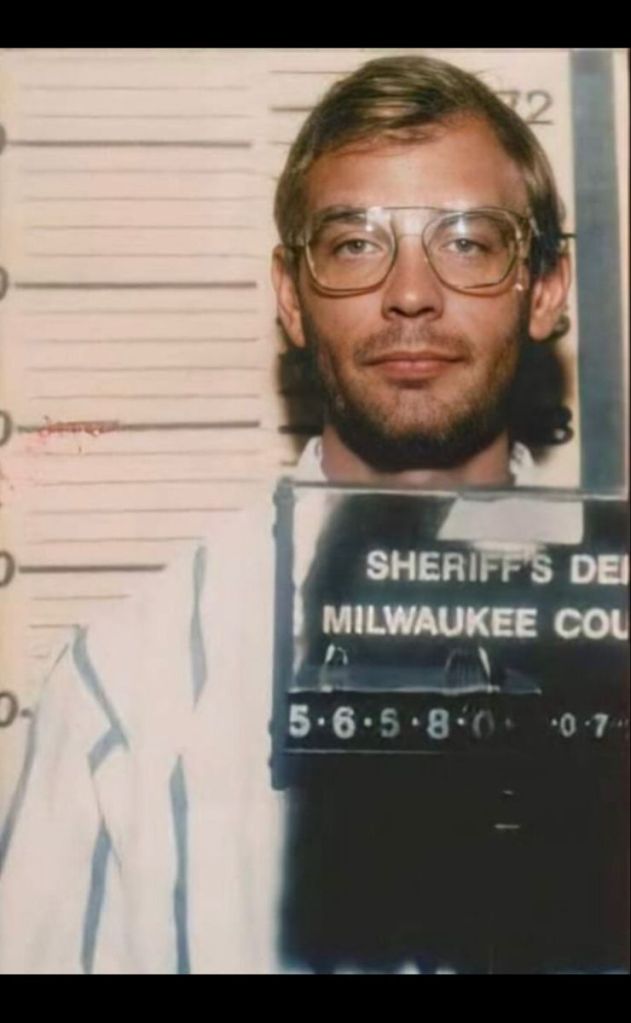
Jeffrey had not been told the date of his own baptism. When he arrived in the conference room where Ratcliff was waiting, Ratcliff noted that he had not known the chaplains had kept him in the dark about this. Jeffrey arrived, in his prison uniform, excited.
He confirmed clearly that he understood what baptism meant in relation to his sins. He said he knew it washed them away, and that if anyone needed that, it was him. He said he was looking forward to it and counting on it.
He asked carefully about the exact words Ratcliff would say during the baptism. Other inmates had told him the words really mattered. He wanted to make sure everything was done right.
Before they were escorted to the baptism area, the prison chaplain made an unexpected suggestion: that Jeffrey consider an Islamic practice of rubbing hands against a rough surface for redemption rather than proceeding with Christian baptism. Ratcliff and Jeffrey looked at each other. Ratcliff declined on behalf of both of them. Jeffrey nodded in quiet gratitude.
Walking through the prison corridors toward the medical facility, another inmate called out to Jeffrey. “Hey J.D., how’s it going?”
Jeffrey answered: “Great! I’m going to be baptized today!”
The inmate’s face lit up. One of the prisoners walking the other way began humming a gospel tune. The guards and the chaplain said nothing to stop any of it.
The Whirlpool
The baptism took place in a prison whirlpool tub in the medical area.
The tub was small. When Jeffrey entered the changing room to put on the white polyester baptismal robe someone had prepared, Ratcliff waited in the hallway with the chaplain and a guard. They shared stories of baptisms they had witnessed. The chaplain spoke movingly of his daughter’s baptism. The mood in that hallway, according to Ratcliff’s account, was reverential.
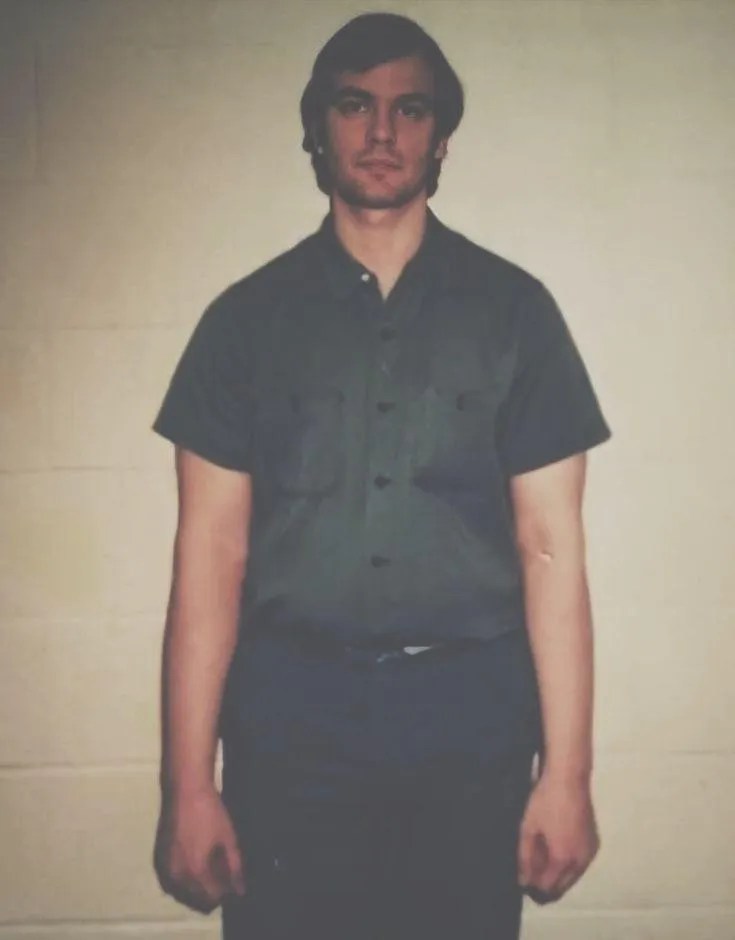
When Jeffrey came out, he had already climbed into the tub and was turning around, figuring out the logistics. The tub was too small for him to stand. He had to curl into something close to a fetal position.
Ratcliff placed his hands on Jeffrey’s head and one shoulder. He said the words: baptising him upon his confession of faith in Jesus as the Christ, the Son of God, in the name of the Father and of the Son and of the Holy Spirit, for the forgiveness of sins.
He pushed him under the water until he was completely immersed.
When Jeffrey’s head broke the surface, Ratcliff said what he always says when he baptises someone: “Welcome to the Family of God.”
Jeffrey looked at him. The expression on his face, as Ratcliff would later describe it, was one of gladness and surprise.
He said simply: “Thank you.”
After
Walking back through the corridors, Jeffrey had a bounce in his step. He was, according to Ratcliff, obviously filled with joy.
Before Jeffrey was returned to his unit, Ratcliff made a request of the chaplain: he wanted to visit Jeffrey regularly — every week — to help him develop his faith. He didn’t want to simply disappear from his life.
Jeffrey’s reaction was one Ratcliff did not expect. He had a shocked look on his face.
He said he had assumed Ratcliff would leave and he would never see him again.
A man who had been expecting abandonment, surprised by continued care. It is a small detail. It stays with you.
Ratcliff visited weekly for the next seven months, until November 28, 1994.
What Happened on November 28
Ratcliff was driving home from the gym with his wife on a Monday morning, his day off. He was talking about things he intended to mention to Jeffrey when he visited on Wednesday. He had been thinking about a Thanksgiving card Jeffrey had sent him, which he described as one of his most treasured possessions.
He turned up the radio.
The announcer said Jeffrey Dahmer had been attacked and taken to hospital with massive head injuries.
Jeffrey died that day.
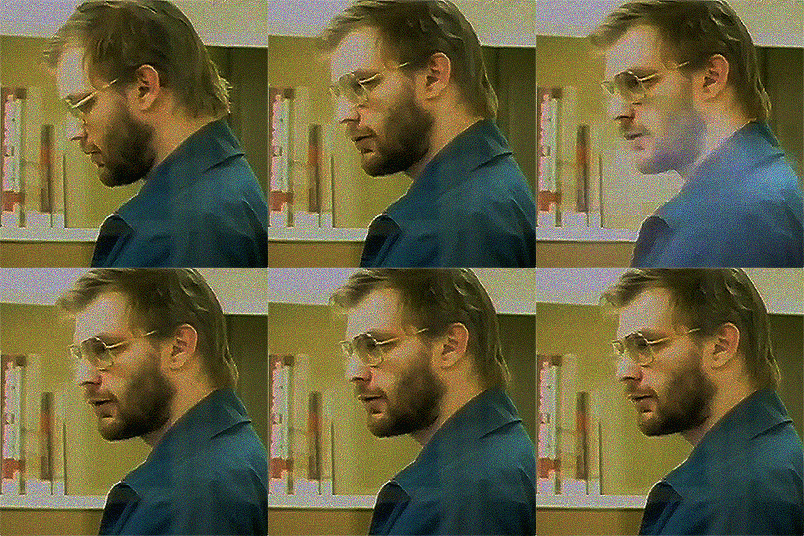
Ratcliff conducted a memorial service for him. Among those present was a sister of one of Jeffrey’s victims. She had been deceived into attending and arrived bitter. Afterwards she sought out Ratcliff. She said that hearing him describe Jeffrey as he had known him had helped her. She said she believed God had forgiven Jeffrey. She said she could forgive him, too, and move on.
Ratcliff later used an honorarium from Shari Dahmer for conducting the service to buy a wall clock for his living room. He calls it Jeff’s clock. It is there to remind him, he writes, of the lessons he learned and the value of time well spent.
His summary of the seven months is quiet and precise. Jeffrey, he writes, was ready to die. Ratcliff was the one who was unprepared.
Was He Sincere?
This is the question that follows any account of Jeffrey Dahmer’s baptism, and Roy Ratcliff addresses it directly in Dark Journey Deep Grace.
He notes something important about how the question is usually asked. The person asking, he observes, typically hoped to hear the answer no. Not because they had evidence of insincerity. But because a sincere Jeffrey Dahmer was a more difficult thing to hold in mind than an insincere one. People wanted a way to exclude him — from Christianity, from grace, from the category of people worth considering. The question was less about evidence than about permission.
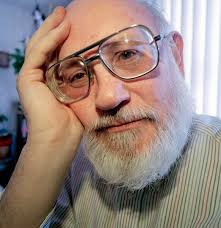
Ratcliff was convinced of Jeffrey’s sincerity by a single moment. At the end of one of their Bible study sessions, just as the guard gave the signal that time was up, Jeffrey said something unprompted. He said he felt very bad about his crimes. He said he believed he should have been put to death by the state for what he had done.
Ratcliff agreed with him.
Jeffrey’s response was not what most people would expect from someone performing faith for an audience. He asked: “If that is true, am I sinning against God by continuing to live?”
It is a genuine theological question. It could only be asked by someone who had taken the framework seriously enough to follow it to uncomfortable places — who believed in the gravity of what he had done, believed in the reality of God’s justice, and was genuinely trying to understand what it meant to go on living under both.
You cannot perform that question. You can only ask it.
What This Means
The memorial does not ask you to feel certain about what happened to Jeffrey Dahmer after his death, or about the metaphysics of grace and forgiveness. Those are questions that belong to faith, and faith belongs to each person who holds it.
What the documentary record shows is a man who, in the final seven months of his life, engaged seriously with questions of guilt, meaning, and redemption. Who asked to be baptised not in a moment of crisis but after sustained conversation and study. Who cried out on the morning of the baptism to fellow inmates with simple joy. Who sat in a small whirlpool tub in a prison in Wisconsin, curled into himself to fit, and came up from the water saying thank you.
Roy Ratcliff called him Jeff. He drove through an eclipsed sky on the day of another man’s execution to offer him this. He visited every week for seven months. He was unprepared for him to die.
Dark Journey Deep Grace by Roy Ratcliff with Lindy Adams (Leafwood Publishers, 2006) is the primary source for the account in this article. It is the only firsthand account of Jeffrey Dahmer’s spiritual life written by someone who was present. The memorial recommends it unreservedly.


One thought on “The Day Jeffrey Dahmer Was Baptised”