
Jeffrey Dahmer occupies a distinctive place among serial killers. While his actions remain horrifying, it is crucial to delve into his unique existence, which sets him apart from other notorious figures. A closer examination reveals intriguing facets, including his display of remorse, unconventional motivations, and a deviation from the conventional sadistic nature associated with such individuals.
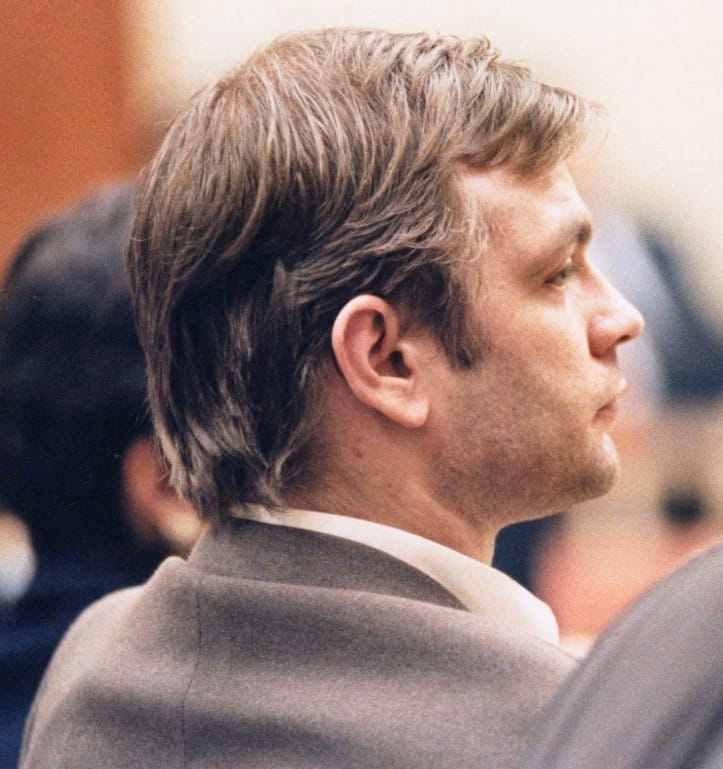
One striking aspect of Dahmer’s existence is the presence of remorse. Unlike many serial killers who show little to no guilt for their heinous acts, Dahmer expressed genuine remorse for the pain and suffering he caused. This element challenges our perceptions and underscores the complexity of his psychological makeup.
Jeffrey’s motivations diverge from the stereotypical sadism commonly associated with serial killers. While his crimes were undeniably monstrous, it is important to recognize that his primary drive was not deriving pleasure from inflicting pain. Instead, Jeffrey was driven by an overwhelming desire for control, companionship, and a twisted quest for a sense of connection that tragically manifested in horrific acts. Jeffrey Dahmer’s unique existence reveals a surprising human dimension that is not commonly found among serial killers.
His actions were not solely driven by sadistic impulses; rather, they were born out of a desperate need to fill an emotional void within himself. This distinction challenges our understanding of the motivations behind such crimes, highlighting the complex interplay of psychological factors that can drive individuals down dark paths. Jeffrey’s remorse and unconventional motivations mark him as a rarity among his notorious peers.
His willingness to express regret and introspection sets him apart from those who revel in their violence and show no remorse. This distinction provokes further questions about the intricate dynamics that shaped his troubled existence and the potential for redemption in even the most depraved minds.The existence of Jeffrey Dahmer defies easy categorization. It forces us to confront the enigmatic nature of human psychology and the intricate interplay of factors that contribute to extreme acts of violence.
While his crimes remain unforgivable, his display of remorse and unique motivations challenges us to grapple with the complexities of his troubled soul.

 Jeffrey Dahmer Memorial