

In the case of Jeffrey Dahmer, Dr. Judith Becker, an expert in forensic psychiatry, has speculated about a potential connection between his childhood hernia surgery and his later behavior. Her statement raises questions about the influence of traumatic medical experiences on individuals, particularly in relation to Dahmer’s disturbing actions of cutting up bodies.
During the 1960s and 70s, it was not uncommon for babies & young children to undergo surgeries without adequate anesthesia. These experiences were often painful and traumatic, leaving a lasting impact on the psychological well-being of the individuals involved. That was compounded also by the fact that studies in the 1940s had incorrectly stated that babies and infants lacked the capability to feel pain, after they seemed to be unresponsive to pinpricks for example. This was later explained by a failure to correctly interpret infant body language.
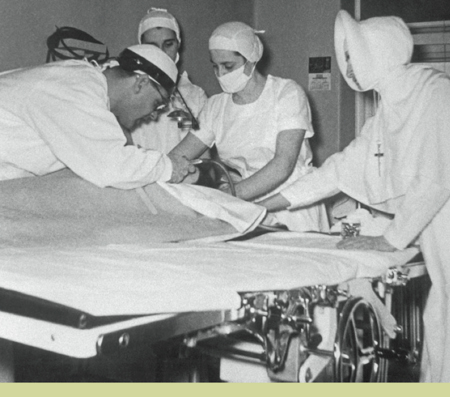
Jeffrey Dahmer’s Surgery and potential coping mechanisms
Jeffrey Dahmer, as a child, underwent a hernia surgery. It is believed that this surgery, in the early 60s, may have been performed without sufficient anesthesia. Dr. Judith Becker has speculated that this traumatic experience could have influenced Jeffrey’s later behavior, particularly his inclination towards violence and the gruesome act of dismembering and cutting up bodies. After the operation, 4y.o. Jeffrey asked his parents if someone had cut off his penis. This inquiry raises the distressing possibility that he may have felt pain or confusion during the procedure, which could have influenced his subsequent behavior.
Dr. Judith Becker’s Statement
Dr. Becker ( expert witness during legal proceedings), presented her speculation regarding the potential connection between Jeff’s surgery and his subsequent behavior. Her statement suggests that traumatic medical experiences, such as Jeffrey’s surgery, can have profound psychological effects on individuals, potentially shaping their behavior in unsettling ways. The impact of traumatic experiences on individuals’ psychological development is a multifaceted issue. While traumatic events can contribute to the development of psychological conditions and maladaptive behaviors, it is important to consider other factors, such as genetic predisposition, environmental influences, and individual coping mechanisms, when examining the root causes of disturbing behavior.
Continued Research and Awareness
Dr. Becker’s speculation regarding Dahmer’s surgery and its potential influence on his behavior underscores the need for further research and understanding in the field of trauma. Investigating the relationship between childhood medical trauma and long-term psychological outcomes can provide valuable insights into the complexities of human development, aiding in the identification of interventions to mitigate the potential negative impacts.
The significance of the operation in the trial against Jeffrey Dahmer did NOT receive adequate attention and was not taken as seriously as it should have been. Despite the potential trauma and pain Jeffrey may have experienced during this surgery, the court proceedings focused primarily on his later disturbing actions.The case of this experience and his subsequent disturbing behavior highlights the significance of traumatic medical experiences in shaping an individual’s psychological well-being. While Dr. Becker’s statement offers a speculative perspective, it prompts us to consider the potential connections between traumatic events and aberrant behaviors.
BONUS
Dr Becker telling studends about Jeffrey Dahmers case and how she was involved 🙂

 Jeffrey Dahmer Memorial