
On March 19, 1964, a four-year-old boy named Jeffrey Dahmer was taken to a hospital for a double hernia operation. He brought with him a ragged, floppy-eared stuffed dog he had slept with since the age of two. He watched Bewitched in the ward with other children. He went under anaesthesia. He woke up in severe pain and asked his mother if the doctors had cut off his penis.
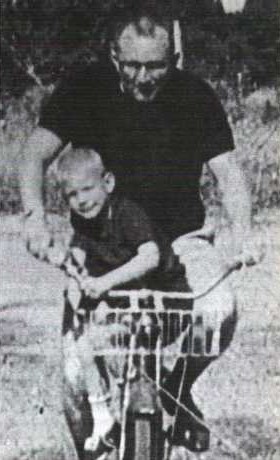
That question — asked by a confused, terrified four-year-old in a hospital bed — is one of the most significant details in Jeffrey Dahmer’s documented history. It has been noted, briefly, in almost every serious account of his life. But it has rarely been examined with the rigour it deserves. This article attempts to do that.
What Happened
The hernia was the result of a birth defect — a double hernia, which required surgical correction. Lionel Dahmer describes the weeks preceding the operation in A Father’s Story:
“One day in spring of 1964, Jeff began to complain about an area of tenderness in his groin area. This tenderness worsened, and a small bulge appeared in his scrotum. We took him to the doctor right away, and he was subsequently diagnosed as suffering from a double hernia.”
Surgery was scheduled, and Jeffrey chose his stuffed dog to accompany him. The operation was performed. When he regained consciousness, it was to significant pain — pain in his groin, in a sensitive area he did not yet have full vocabulary or understanding for. In that pain and disorientation, he formed the only explanation available to a four-year-old mind: that something had been taken from him.
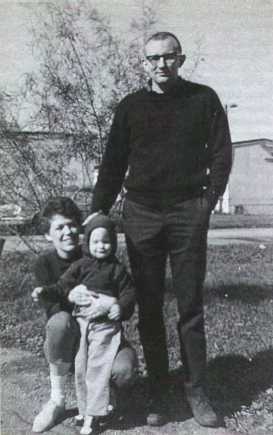
As an adult, speaking to forensic psychiatrist Dr. Judith Becker twenty-seven years later, Jeffrey confirmed that the pain had been so severe he genuinely believed his genitals had been removed. This was not a passing childhood misunderstanding that dissolved with time. It remained — vivid, bodily, real — into adulthood.
Lionel’s Account: The Permanent Flattening
What makes Lionel’s account so significant is not just what he describes happening, but what he describes happening after.
“When he awoke, of course, it was to a great deal of pain. So much pain, I learned later, that he asked Joyce if the doctors had cut off his penis. He remained in the hospital for several days and even after he returned home, his recovery seemed to move forward slowly. For long hours, he remained on the sofa in the living room, his body wrapped in a large, checkered bathrobe. During that period, he moved slowly, ponderously, like an old man. The ebullience which had marked his childhood, his buoyancy and energy drained away. During any period of recovery, of course, a certain flattening of mood could be expected. But in Jeff this flattening began to take on a sense of something permanent. He seemed smaller, somehow more vulnerable, perhaps even sadder than at any time before.”
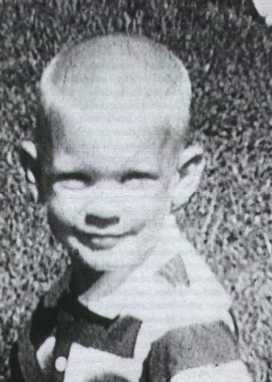
Lionel — a chemist, a precise observer of detail — was careful to note the distinction. He understood that some mood flattening was expected after surgery. What he was observing was something else: a change that did not reverse. A before and an after. He filed it, noted it, carried it with him.
Joyce’s Diary and the Question of Preparation
Joyce wrote in her diary that Jeffrey had been “so good in the hospital” but that he “really disliked the doctor after this ordeal.” According to Brian Masters, she spent as much time with him as she could during his hospitalisation. At night, Jeffrey would tell her: “You can go home now, mommy. I’ll sleep.”
That detail — a four-year-old releasing his mother, performing bravery, managing her feelings alongside his own — is worth pausing on. It suggests a child who had learned, or was learning, to contain his distress.
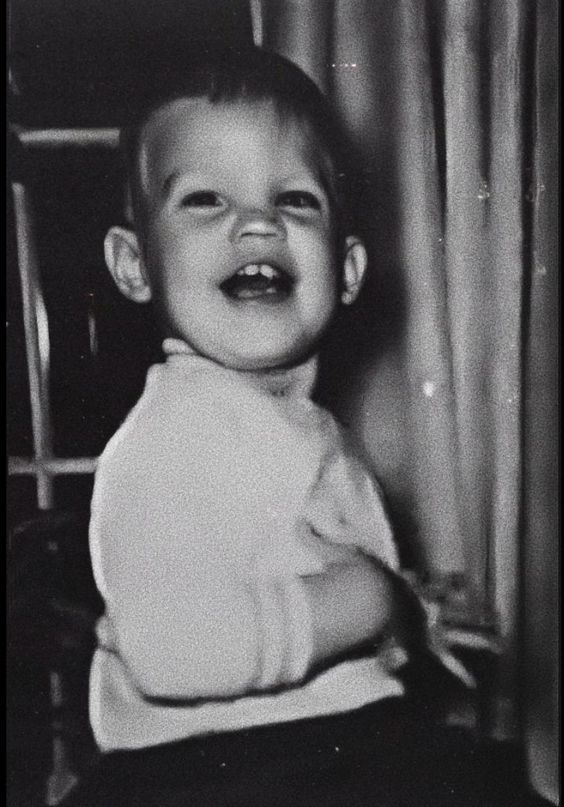
But what Joyce’s diary does not record is any preparation. We do not know what Jeffrey was told before the operation — or indeed if he was told anything meaningful at all. Lionel’s account mentions that the diagnosis was explained to them, and that surgery was scheduled. What was explained to Jeffrey, in language a four-year-old could understand, is not documented. That gap is significant.
What Research Tells Us: Childhood Surgical Trauma
The psychological impact of surgery on young children is not a new area of study. Research dating back several decades has established that surgical procedures in early childhood carry a measurable risk of traumatic stress responses — and that this risk is shaped by a specific set of factors.
Children who undergo surgery before the age of five are considered particularly vulnerable. At this developmental stage, the child’s capacity to understand what is happening to their body is limited. They cannot place the experience in a meaningful framework. Pain that arrives without comprehensible cause is experienced differently than pain that has an explanation — and for young children, even explanations that adults consider clear are often fragmentary or misunderstood.
The risk of post-surgical traumatic stress is documented to be higher in cases where parental preparation is inadequate, where the child spends longer in hospital, where a parent is experiencing their own mental health difficulties or high levels of stress, and where the family lacks sufficient social support. In Jeffrey’s case, multiple factors were present simultaneously.
Joyce Dahmer was experiencing significant mental health difficulties during this period. Her deteriorating relationship with Lionel, her own anxiety and instability, and the demands of a household under pressure meant that even her efforts to be present with Jeffrey in the hospital were taking place within a context of parental stress. The social support available to the family was limited. Jeffrey spent several days in hospital and continued recovering slowly at home.
The Developmental Context: Age Four and the Body
Jeffrey was four years old when the surgery took place. This is not an incidental detail.
In developmental psychology, the period between roughly three and six years of age is recognised as a critical window for the development of body awareness, genital identity, and what is sometimes called bodily integrity — the sense that one’s body is one’s own, that it has boundaries, and that those boundaries can be trusted. Children at this age are engaged in the active process of understanding what their body is, how it works, and what it means.
A surgical procedure in the groin region, performed without full comprehension, with severe pain on waking, in a context where the child may not have been adequately prepared — strikes directly at this developing sense. The question Jeffrey asked — did they cut off my penis? — was not random. It was the specific fear that corresponded to the specific vulnerability of his developmental stage. He was asking, in the only language available to him: is my body still mine? Is it still intact?
That this question remained with him into adulthood, confirmed to Dr. Becker twenty-seven years later as a genuine and vivid memory, suggests that the answer he received — or didn’t receive — was not sufficient to resolve it.
Pain Management in 1960s Paediatric Medicine
There is another dimension of this event that is rarely discussed: the medical context of the 1960s.
It is now well-documented that for much of the twentieth century, paediatric pain management was significantly inadequate by contemporary standards. Medical understanding of children’s pain was shaped by a now-discredited assumption — that infants and young children did not experience pain in the same way as adults, or that their nervous systems were insufficiently developed to process it fully. This belief influenced anaesthetic and post-operative care in ways that left many children undertreated.
The severe pain Jeffrey experienced on waking from anaesthesia — pain significant enough for a four-year-old to conclude that part of his body had been surgically removed — was not unusual for the period. It was, in fact, representative of a systemic failure in paediatric medicine that would not begin to be seriously addressed for another two decades.
Jeffrey was not simply unlucky. He was a child who underwent surgery in an era when children’s pain was structurally underestimated and undertreated. What he experienced was real, severe, and inadequately managed — and he carried it.
Brian Masters and the Echoes
Brian Masters, in The Shrine of Jeffrey Dahmer, returns to the hernia operation repeatedly throughout his account of Jeffrey’s life. He saw it clearly as one of the formative events — not the cause, but a significant and underexamined contribution. His analysis is worth quoting at length:
“Suddenly his embryonic autonomy is shattered by a rude invasion; his little powers of decision are roughly withdrawn and he becomes an object in the hands of strangers. His ability to maintain control is undermined, disregarded even perhaps cancelled. He experiences ‘loss of control, autonomy and competence.’ And he does not know why. Not knowing why, he will wonder and invent.”
And further:
“Jeff Dahmer’s own imaginings about the insides of people’s bodies began with his hernia operation and the intrusion into his. Control was something lost in infancy and never recovered. With his victims he at last placed himself in the position where he could control not only what happened to them but what happened to their bodies. He could handle their intestines as his had been handled, cut them in the same place as he had been cut, restore himself of that autonomy of which he had been robbed, by stealing theirs. The tactile intimacy of the operation had at the same time mingled the feeling of sexual privilege with that of corporal invasion, which is why he chose to regain control and restore his stolen potency not with his enemies, not through hatred but with a loved object. The combination was disastrous.”
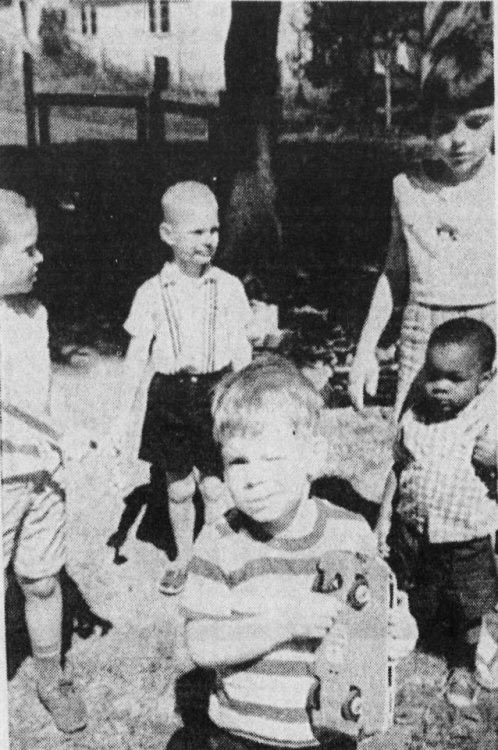
Masters was not arguing that the surgery made Jeffrey Dahmer a killer. He was arguing that it left a mark — a specific, bodily, lasting mark — that shaped the nature of what his compulsions later took.
The Lasting Echoes
The connections that Masters identifies — between the hernia surgery and Jeffrey’s later behaviour — are not speculative in the crude sense. They follow a recognisable psychological logic.
His fascination with the interiors of bodies began with roadkill, with the same morbid curiosity about what things looked like inside. He told people he wanted to know how things worked. About the killing of his first victim, Steven Hicks, Masters wrote: “In a cruel, pitiful echo of the experiments with roadkill, he slit open the belly to see what it looked like inside.”
He positioned his victims to expose the chest and abdomen. He opened bodies. He listened to the sounds they made. He handled organs. These were not random expressions of violence — they were organised around a specific bodily preoccupation that had its roots in a specific bodily event.
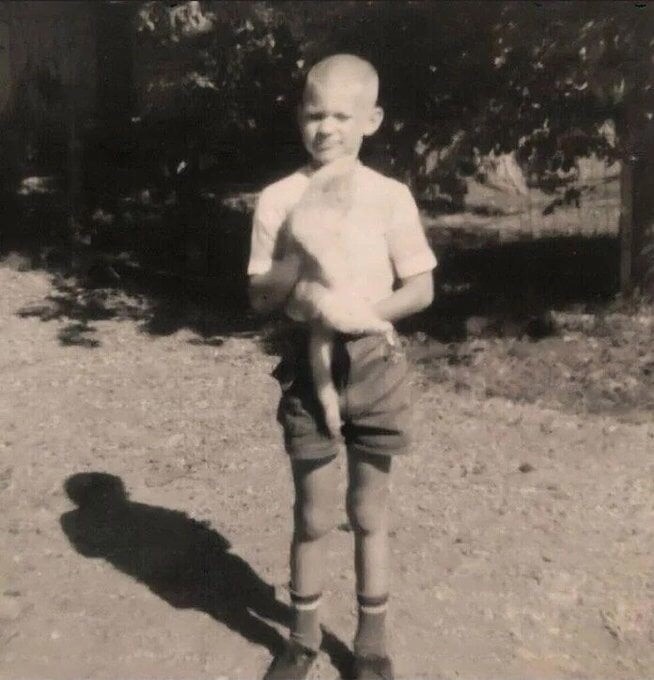
The control dimension is equally traceable. Jeffrey described, in various interviews, the compulsion to ensure that the people he brought to his apartment would not leave him. His methods — drugging, eventually killing — were organised around preventing abandonment, ensuring permanence, maintaining control over the presence of another person. A child who woke from surgery to find strangers had been inside his body without his understanding or consent, who asked his mother if something had been taken from him, grew into a man for whom control over bodies — his own and others’ — became the organising obsession of his adult life.
What This Tells Us
The hernia operation does not explain Jeffrey Dahmer. Nothing explains Jeffrey Dahmer in full — the constellation of conditions, the failed interventions, the compulsions and their catastrophic expression were the result of many things converging over many years.
But the operation deserves more serious attention than it typically receives. It was not a minor childhood event. It was a medically significant procedure performed at a critical developmental moment, with inadequate preparation, in the context of parental stress, with severe undertreated pain on recovery, leaving a child changed in a way his father could observe and name but not reverse.
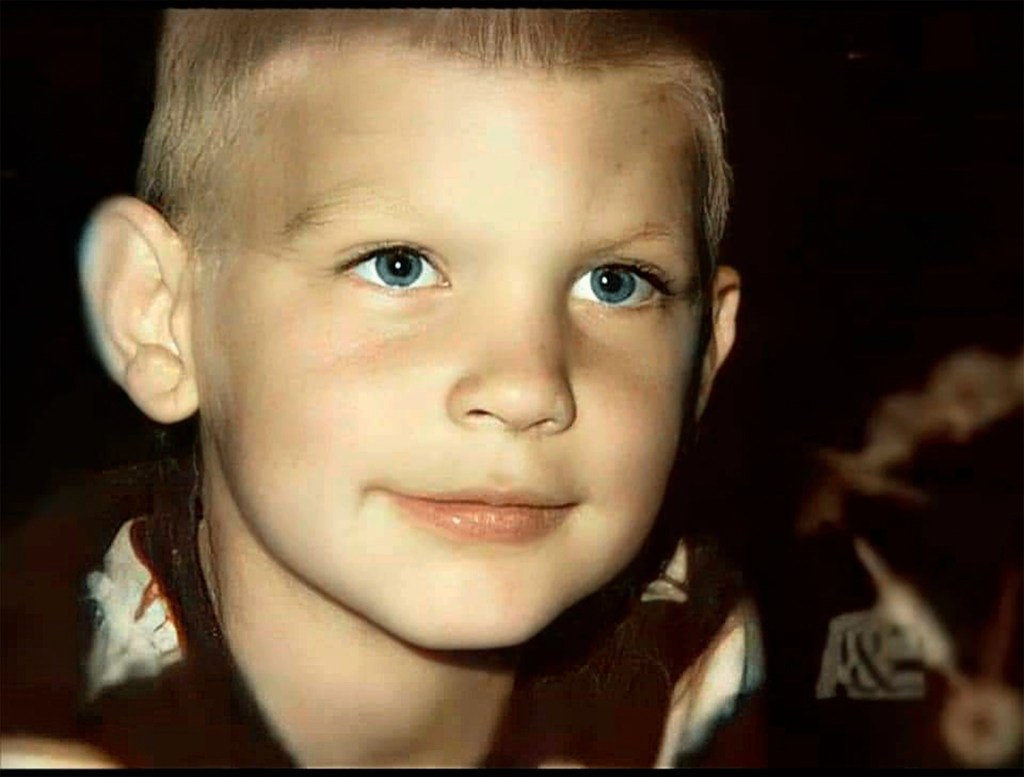
Lionel saw it. Masters saw it. Jeffrey confirmed it, twenty-seven years later, to a forensic psychiatrist.
What this memorial can do — what it exists to do — is hold the full truth of who Jeffrey Dahmer was and what shaped him. The body remembers what the mind cannot always articulate. His did, clearly, for the rest of his life.
Sources: Lionel Dahmer, A Father’s Story (1994); Brian Masters, The Shrine of Jeffrey Dahmer (1993); Joyce Dahmer’s diary, as cited in Masters; testimony of Dr. Judith Becker, trial record 1992; research on paediatric surgical trauma and post-operative PTSD in children; historical documentation of paediatric pain management practices in mid-20th century medicine.


