Seventeen Names

Between 1978 and 1991, Jeffrey Dahmer took the lives of seventeen men and boys. He said so himself, he never asked to be excused for it, and nothing this memorial publishes is meant to make it smaller.

This page is not about how they died. That has been told many times, in more detail than any family should have had to read. It is about who they were: seventeen people with names, ages, mothers, plans for the weekend.

They are listed in the order in which they were lost. Each entry gives a name, an age and a date, and then as much of a life as the record allows. For some of them the record is thin, and that thinness is part of the story too.

1978 to 1989

Steven Mark Hicks

18 · 18 June 1978
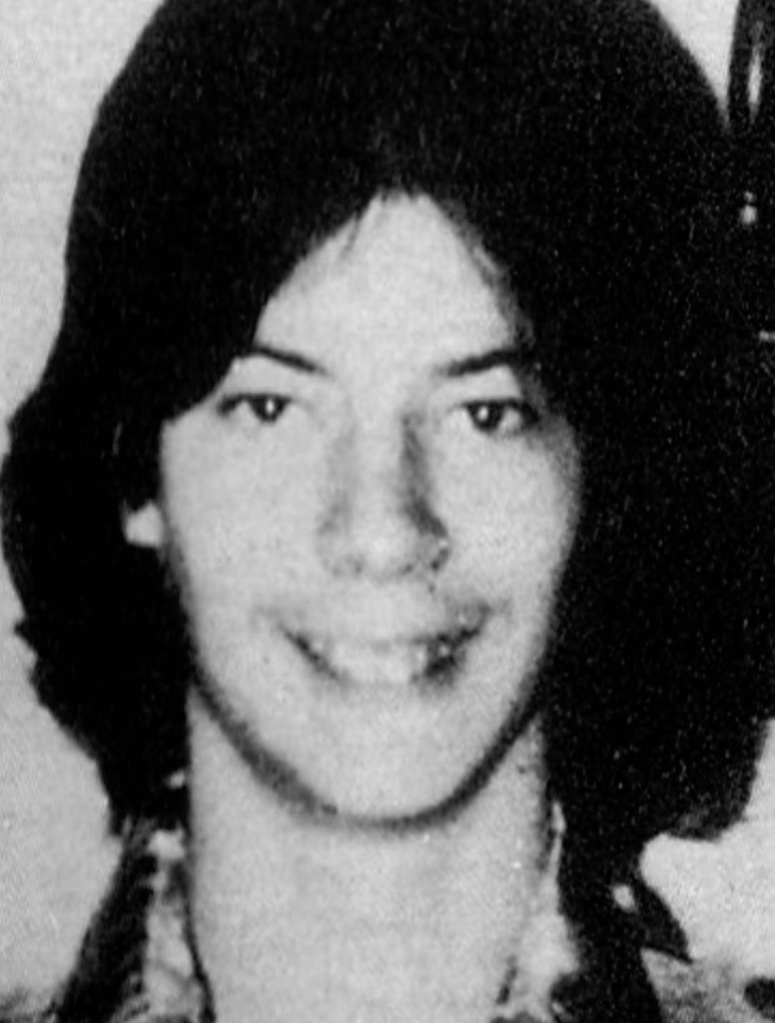
Steven had just graduated from high school in Coventry Township, Ohio. His father, Richard, remembered a deeply caring boy. On a hunting trip Steven shot his first animal, was as proud as he could be, and then cried his eyes out.

Steven Tuomi

25 · 20 November 1987
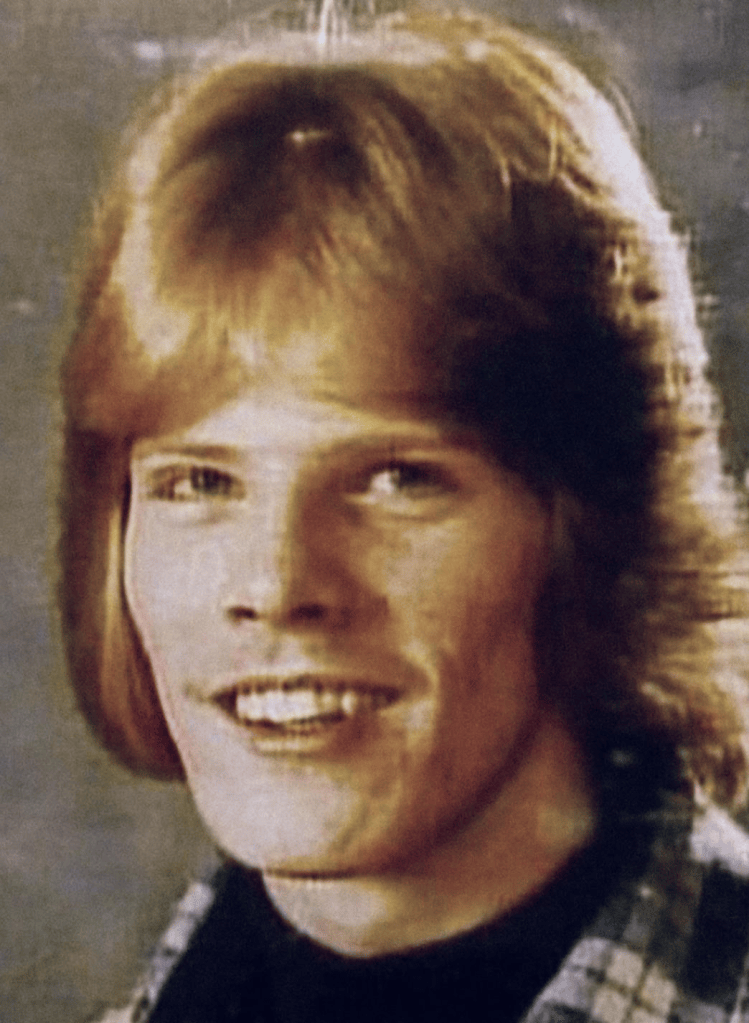
Steven grew up in Ontonagon, on Michigan’s Upper Peninsula, and worked as a short-order cook in a Milwaukee restaurant. Classmates remembered him as quiet and artistic. One of them never forgot the leaded stained-glass lamp he made at school.

James “Jamie” Doxtator

14 · 16 January 1988
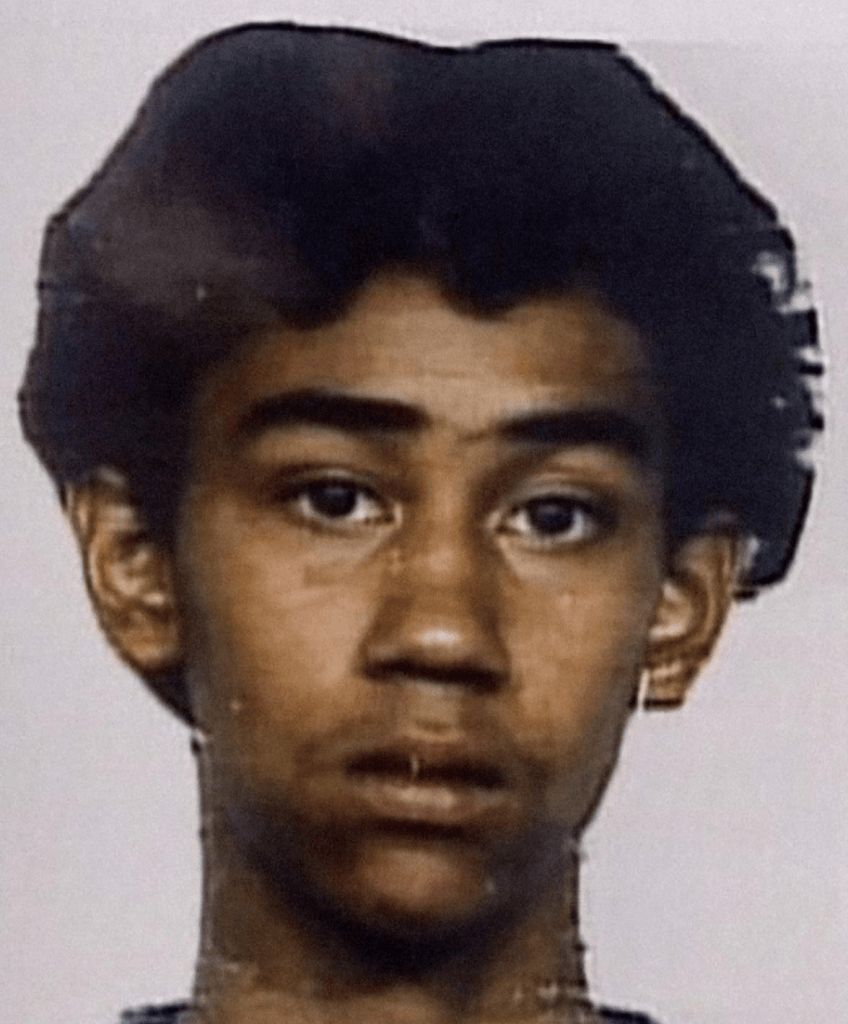
Jamie was part Stockbridge and part Oneida, the oldest of four children, and already nearly six feet tall. He liked playing pool and riding his bike. His mother, Debbie Vega, said his favourite Bible verse was “Forgive them, for they know not what they do.”

Richard Guerrero

22 · 24 March 1988
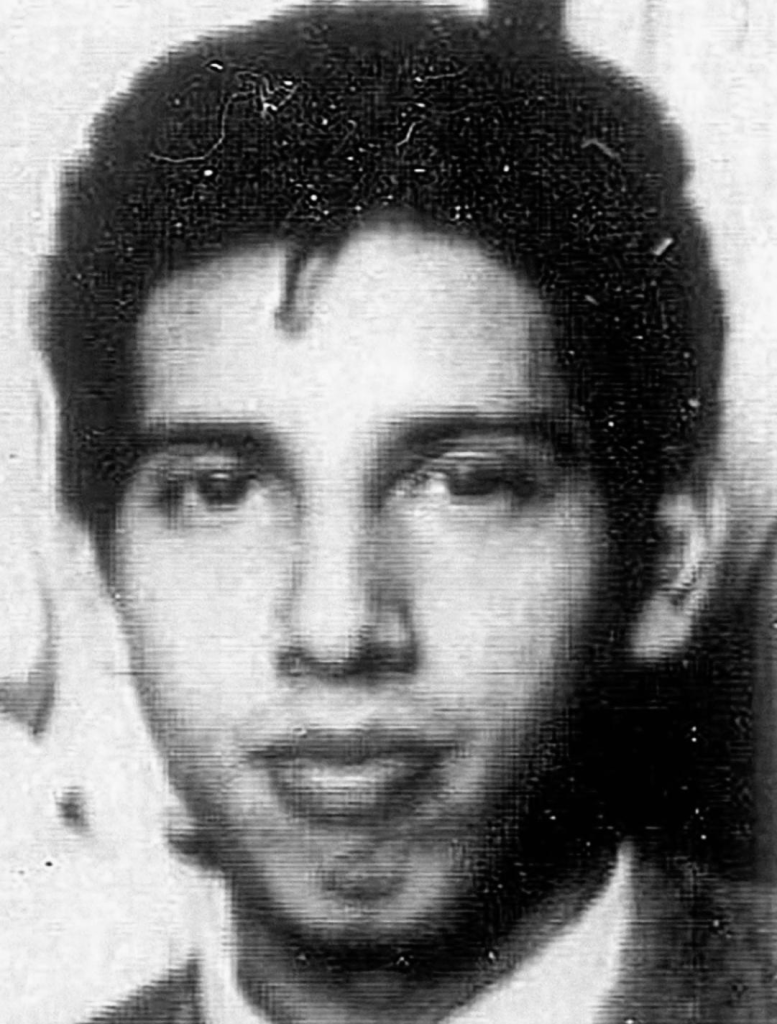
Richard came from a Milwaukee family of Mexican descent. His sister, Janie Hagen, said that whenever he was in trouble the first person he called was their mother. He sometimes looked after Janie’s two-year-old daughter.

Anthony Sears

24 · 25 March 1989
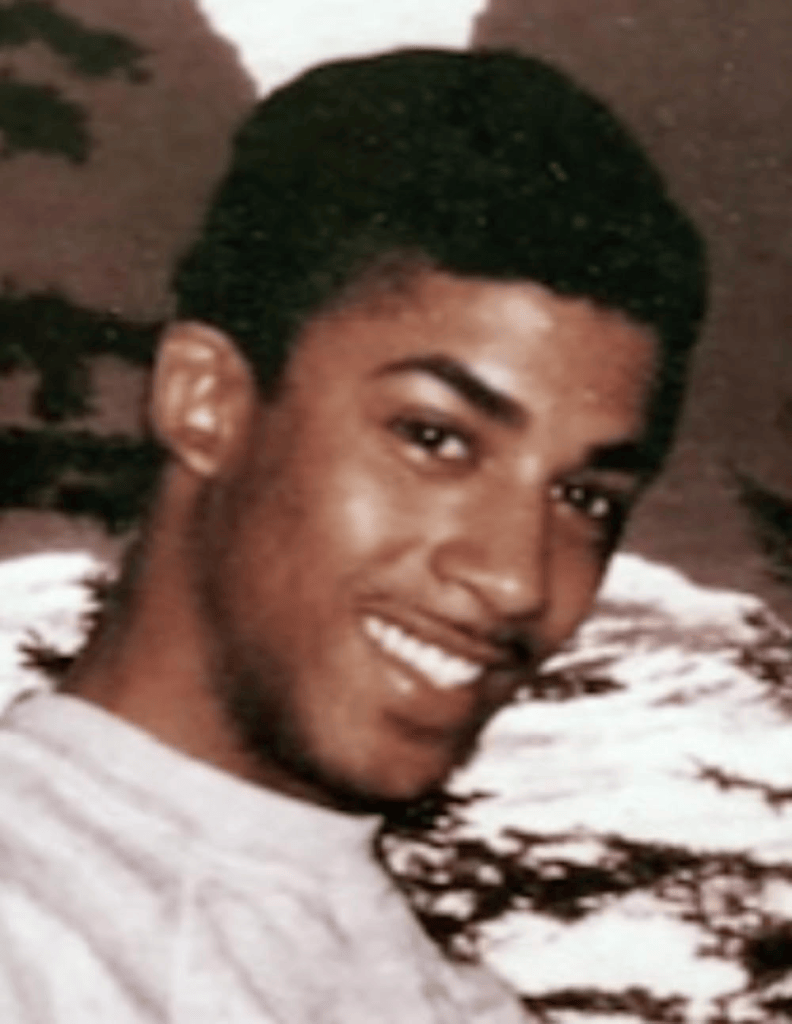
Anthony managed a Baker’s Square restaurant in Milwaukee and had just been promoted. He wanted to be a model, was saving to leave the city, and hoped to marry his girlfriend. His mother, Marilyn, said he loved having his photograph taken.

1990

Raymond Lamont Smith, known as Ricky Beeks

32 · 20 May 1990
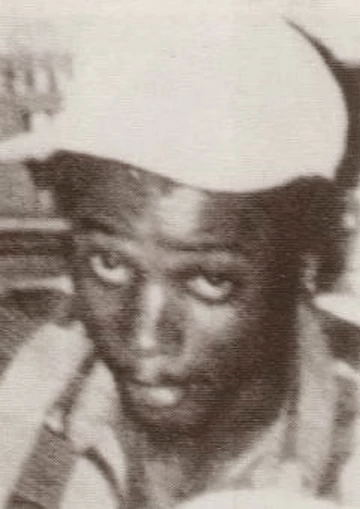
Ricky came from Rockford, Illinois, where his ten-year-old daughter lived. In Milwaukee he stayed with his half-sister. He often used the name Raymond Smith, and he was known to be away for long stretches at a time.

Edward W. Smith

27 · 14 June 1990
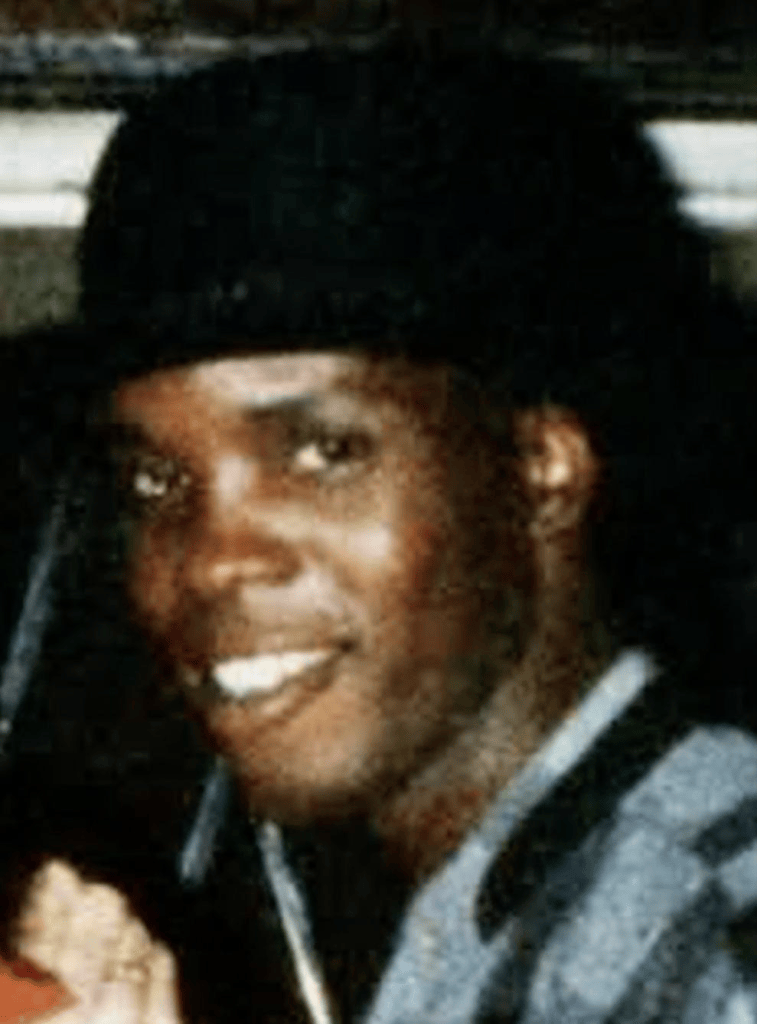
Eddie was raised in a Christian home and wanted to be a professional model. Friends called him “the Sheikh” for the turban-like wrap he liked to wear. His mother, Josephine, and his sister Carolyn and brother J.W. spoke of the love in the family as the greatest of their blessings.

Ernest Miller

22 · 2 September 1990
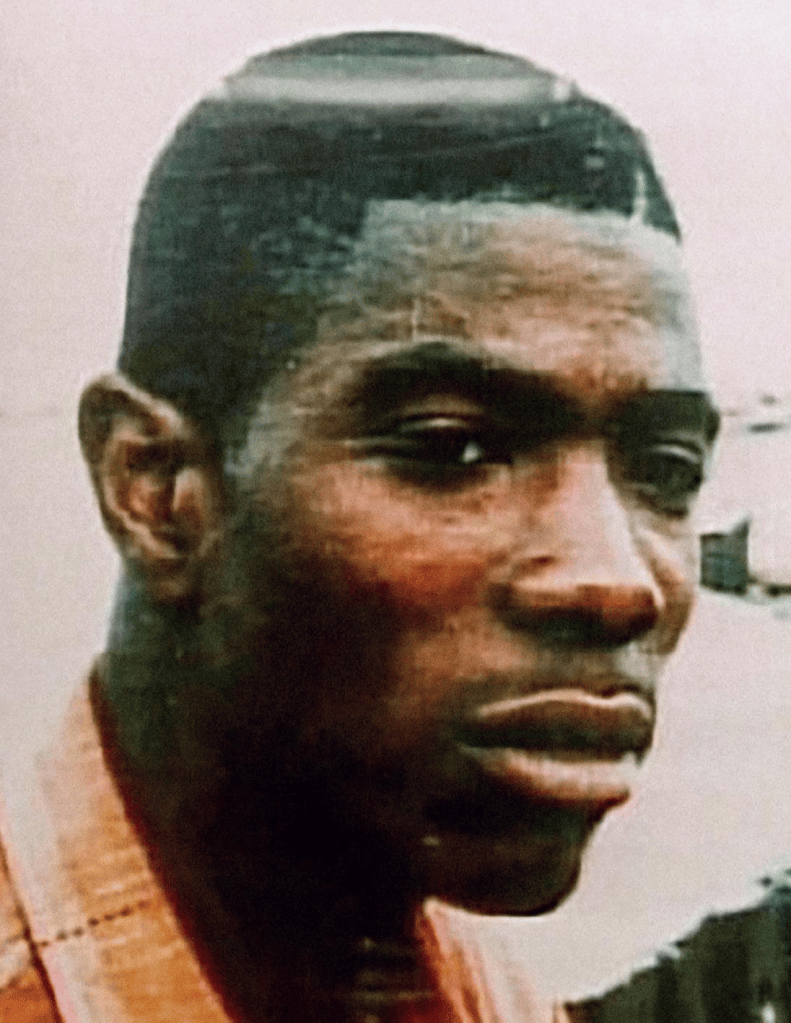
Ernest graduated from the Milwaukee High School of the Arts and was about to begin classes at an arts college in Chicago. He had sung and performed since childhood, in church among other places, and hoped to dance for a living. “He was a talented dancer,” his aunt Vivian said.

David C. Thomas

22 · 24 September 1990
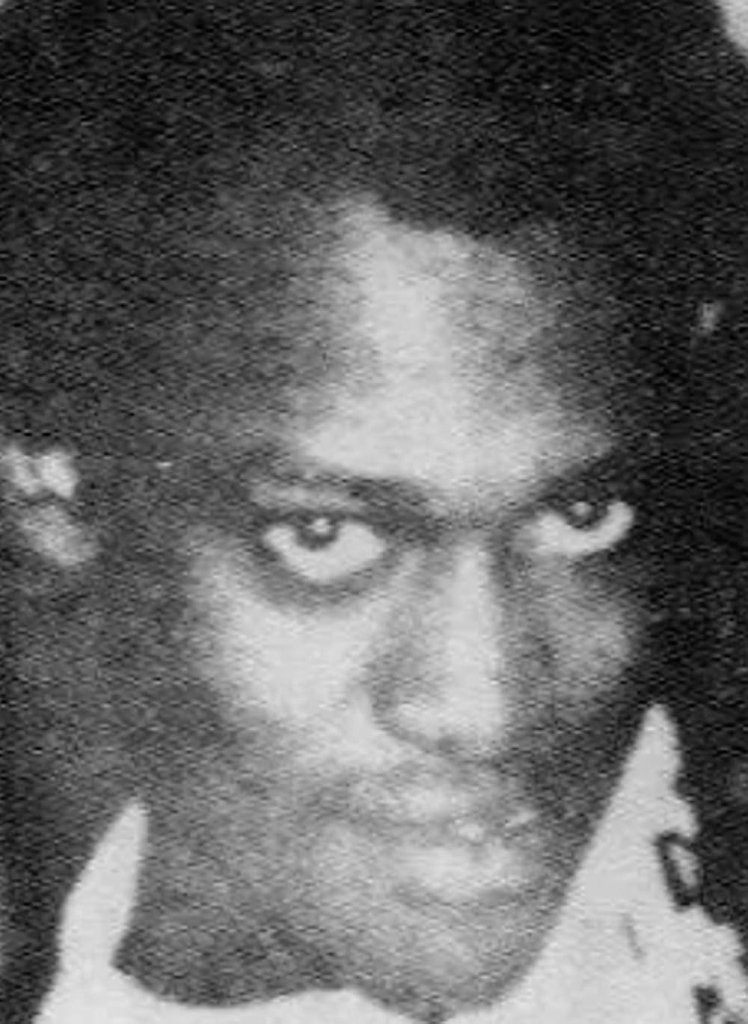
David was the father of a two-year-old daughter, Courtia. Her mother, Chandra, remembered him as fun-loving and resourceful. “Every man I meet, I think of David,” she said.

1991

Curtis Straughter

17 · 18 February 1991
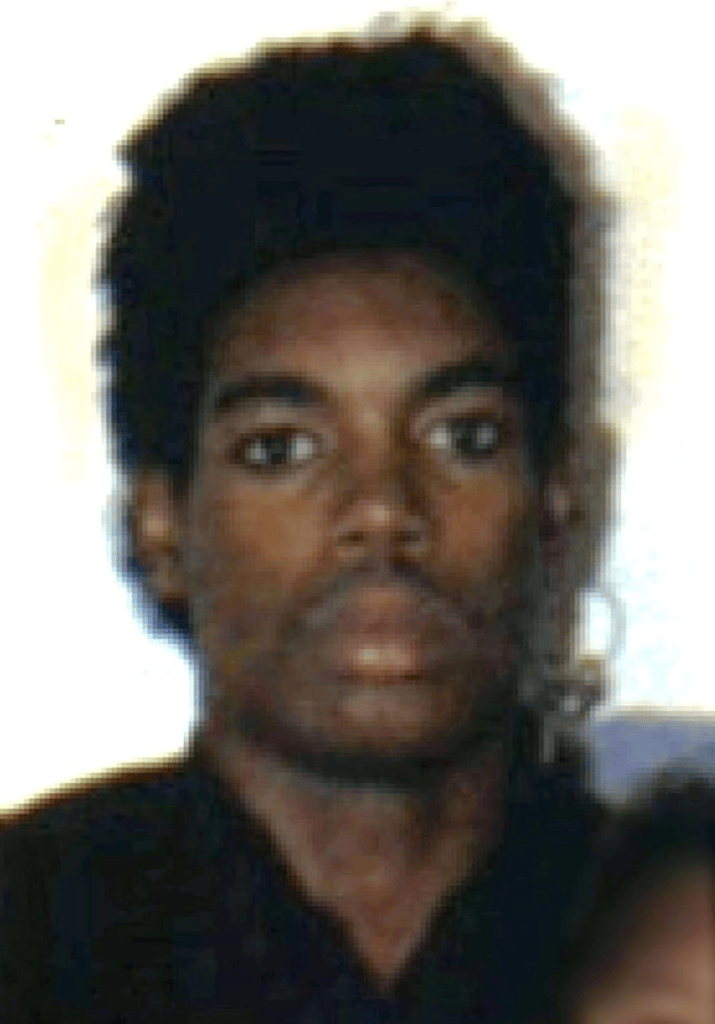
Curtis lived with his grandmother and had worked as a nursing assistant. He planned to earn his high-school equivalency and go to modelling school. He had joined Gay Youth Milwaukee at fifteen. His mother, Dorothy, said his sister would miss singing and dancing with him.

Errol Lindsey

19 · 7 April 1991
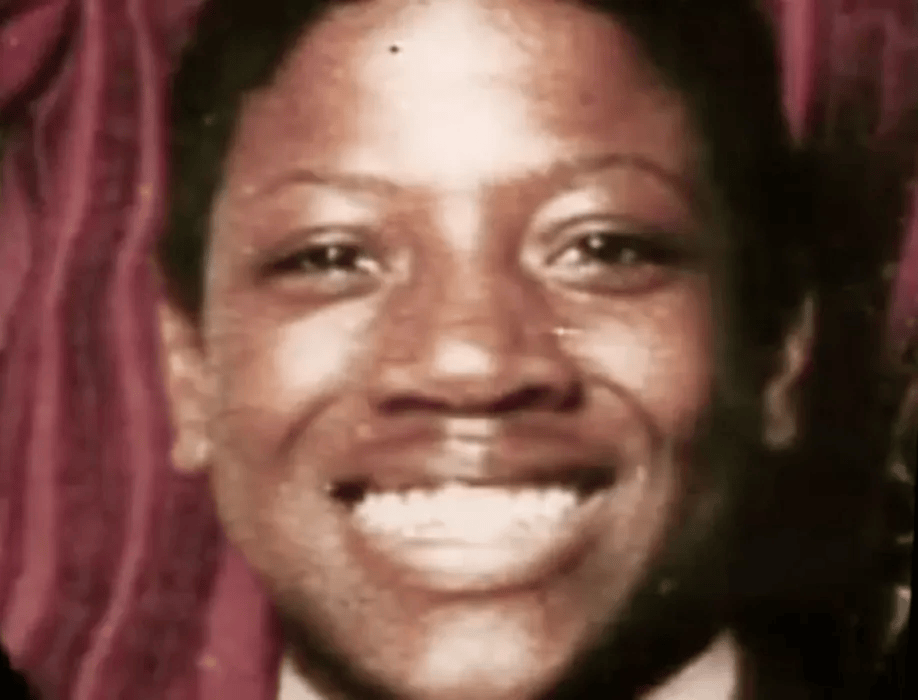
Errol was the youngest of six children. His mother, Mildred, called him “a mama’s boy” who was not the type to talk to just anybody. His eighth-grade art teacher kept one of his watercolours for years. His daughter, Tatiana, was born after he died.

Anthony “Tony” Hughes

31 · 24 May 1991
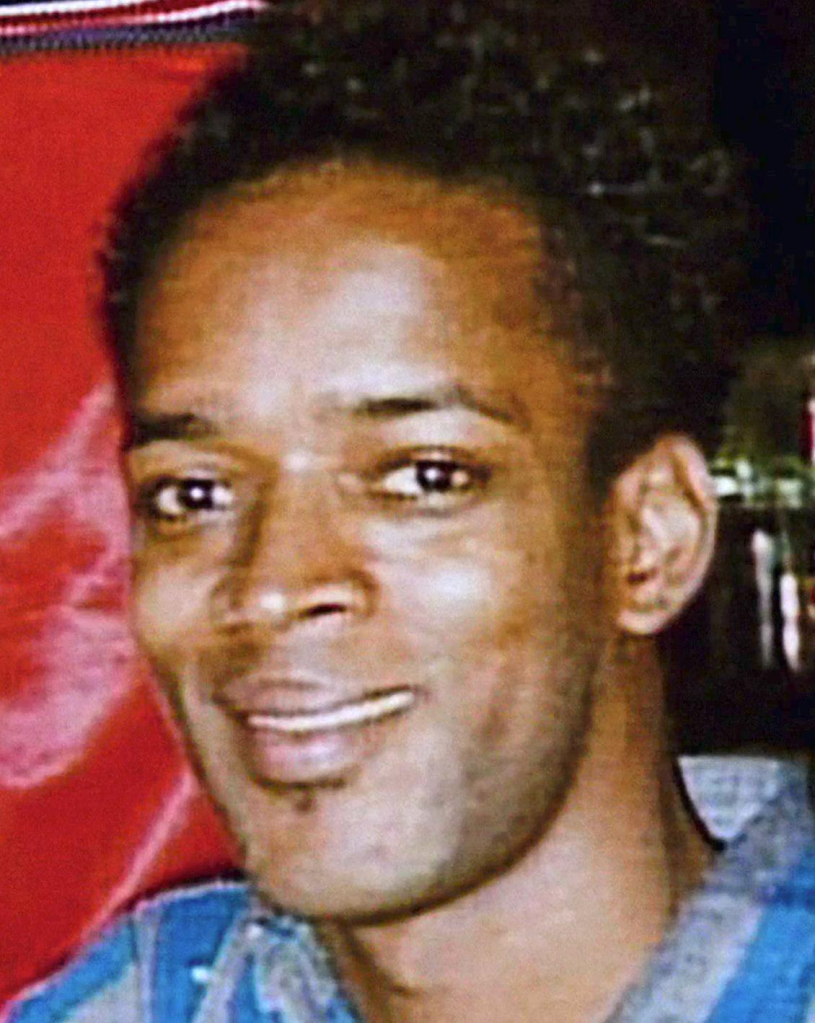
Tony had been deaf since a childhood bout of pneumonia and spoke through lip-reading, sign language and written notes. He lived in Madison and had come back to Milwaukee to visit his family. His mother, Shirley, taught a Bible class at a Milwaukee church.

Konerak Sinthasomphone

14 · 27 May 1991
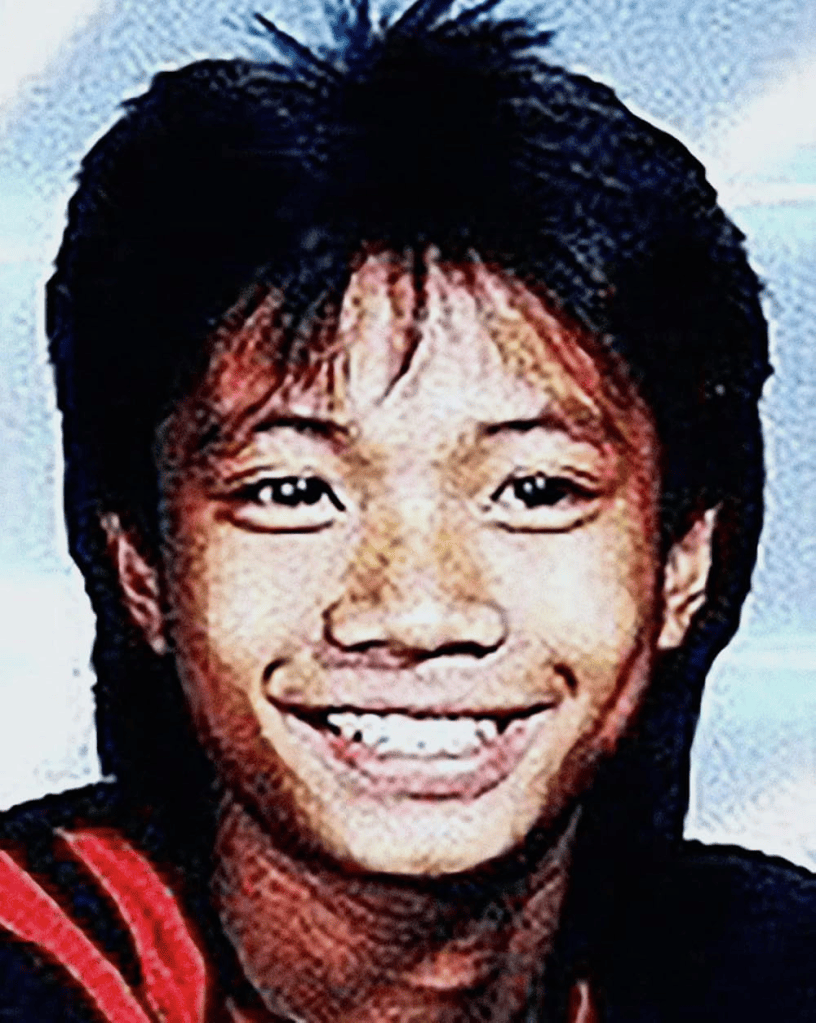
Konerak’s family came to Milwaukee from Laos in November 1980. His father, Somthone, had been a farmer; his mother was Somdy; he had nine brothers and sisters. He was a freshman at Pulaski High School and played soccer at Mitchell Park.

Matt Turner

20 · 30 June 1991
Matt was born in Flint, Michigan, and was living in Chicago, where he had stayed at a halfway house after leaving home. He wanted to be a model. The woman who ran the house’s programme remembered him as “bright and articulate”.

Jeremiah Weinberger

23 · 5 July 1991
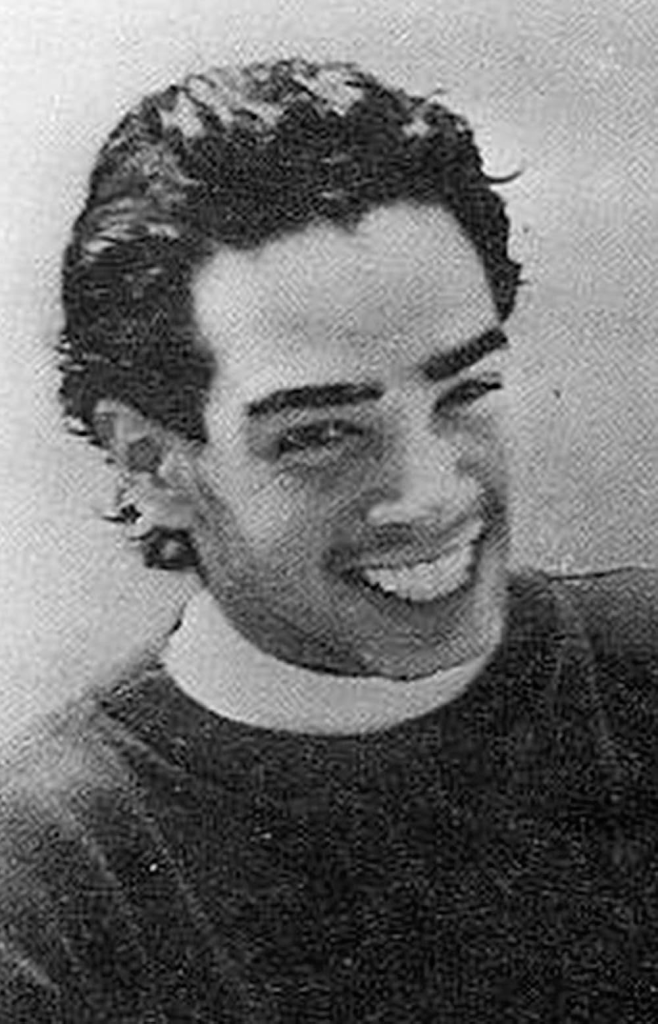
Jeremiah was born in Puerto Rico and lived in Chicago, where he worked in customer service at a video shop. His flatmate, Tim Gideon, said he loved art and was meticulous about everything.

Oliver Lacy

24 · 15 July 1991
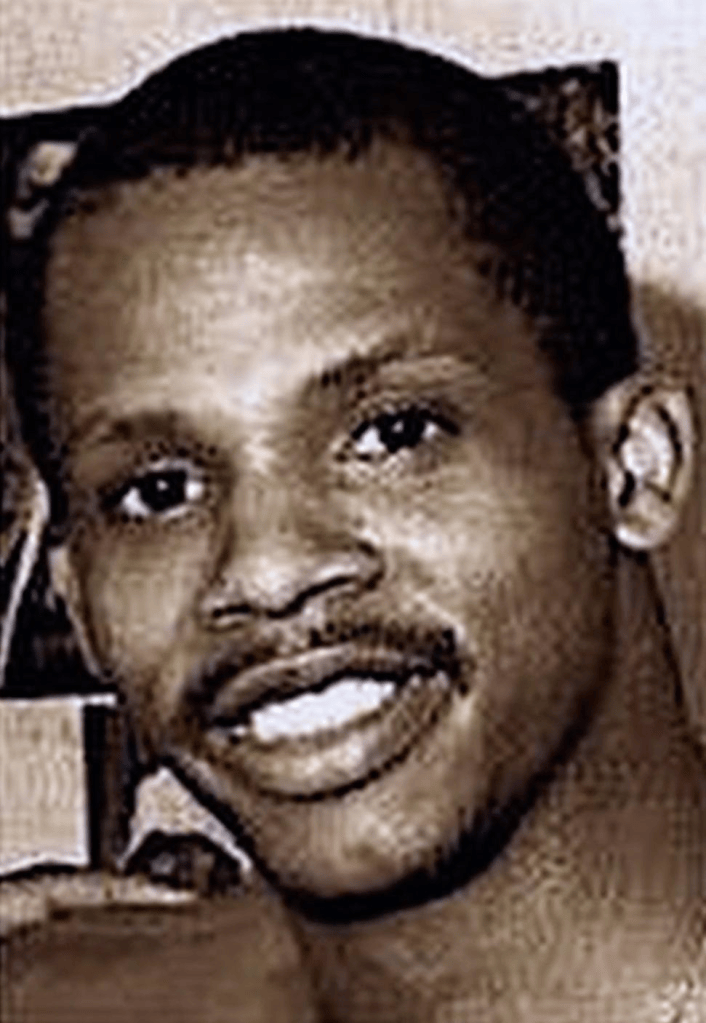
Oliver grew up in Oak Park, Illinois, the youngest of three sons, and ran track in high school. He moved to Milwaukee after his father died and wore his father’s cross. He was engaged to be married and had a two-year-old son, Emmanuel. His mother, Catherine, called him outspoken.

Joseph Bradehoft

25 · 19 July 1991
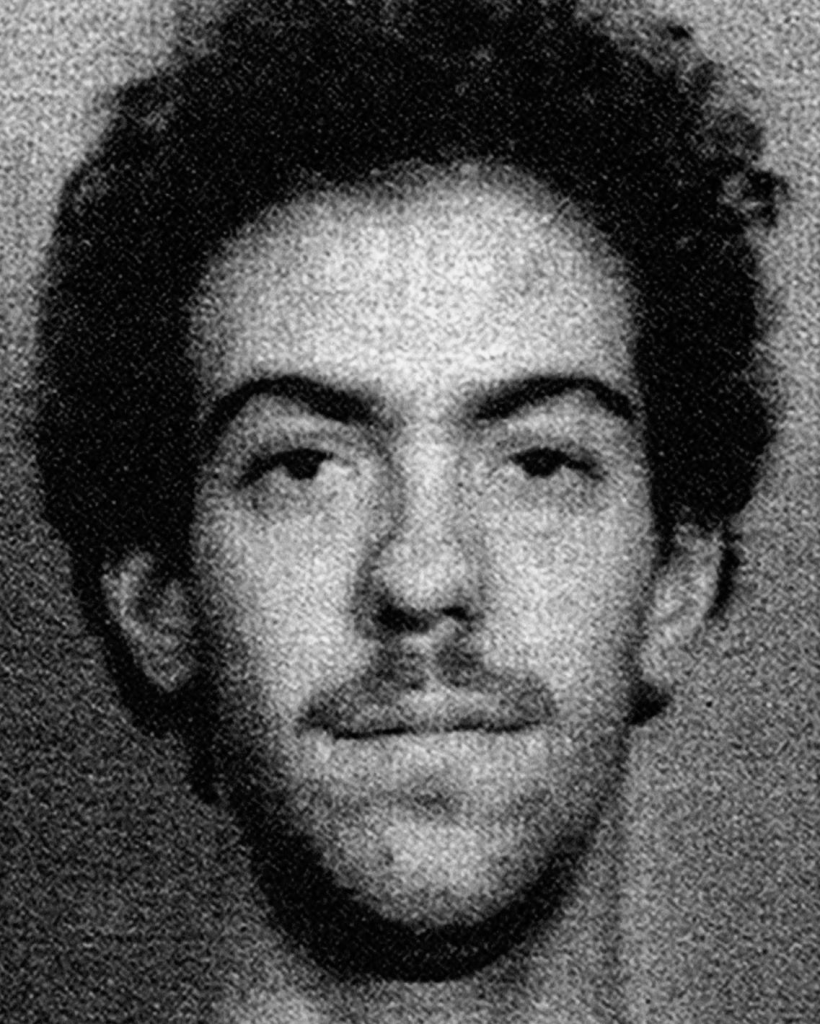
Joseph had a wife and three children, aged two to seven, in Minnesota. He had moved into his brother Donald’s flat in Milwaukee and was looking for work. He loved sport and fishing. “We lost the baby of the family,” Donald said.

Seventeen

A cook who made a stained-glass lamp. A boy who liked pool. A dancer about to start college. A deaf man visiting his mother. A fourteen-year-old who played soccer in the park. Fathers of small children, sons who rang home first, young men saving up to leave.

Most of them were in their teens and twenties. Most were Black, Latino, Asian or Native American, and many were gay. Their families said, then and since, that this is part of why they were not looked for hard enough.

This memorial holds that Jeffrey Dahmer was a human being and that he can be forgiven. It holds just as firmly that these seventeen were human beings first, and that no account of his life is honest without their names in it.

Steven. Steven. Jamie. Richard. Anthony. Ricky. Eddie. Ernest. David. Curtis. Errol. Tony. Konerak. Matt. Jeremiah. Oliver. Joseph.


Sources and a note on dates

The dates given are those generally accepted from Jeffrey’s confession and the court record; for some men the date is the day they were last seen. Sources disagree on several ages. Press reports have given Steven Tuomi as 28, Richard Guerrero as 25, Raymond Smith as 33, Anthony Sears as 26, Edward Smith as 28, Ernest Miller as 24, David Thomas as 23, Curtis Straughter as 18 and Oliver Lacy as 23. We have used the ages from the later, standard list.
The Fish Tank

The cleanest thing in the room

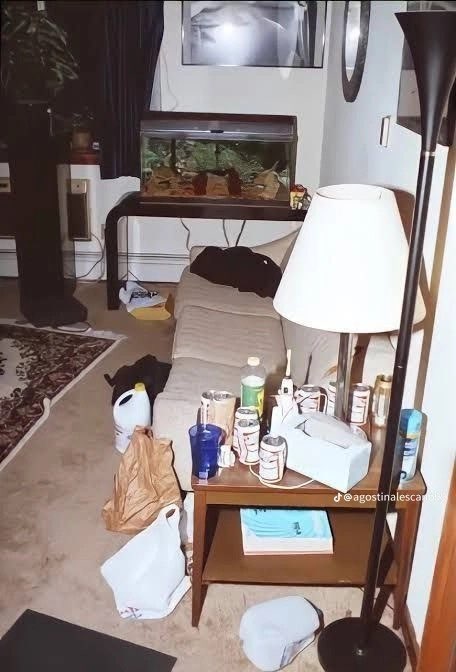
There was a thirty-gallon aquarium in Apartment 213. It stood in the living room, on the long black table Jeffrey Dahmer had bought for another purpose entirely, and by every account it was immaculate.

That is the uncomfortable fact this article starts from. In a flat where twelve of his seventeen victims died, where the smell had neighbours complaining for months, one thing was looked after with patience and skill. The water was clear. The fish were fed. The plants were alive.

The tank does not redeem anything, and it is not offered here as a counterweight. It is offered as a document. A fish tank is a small record of daily attention, and what Jeffrey paid attention to, and how, is part of what this memorial exists to examine.

In his own words

After his arrest Jeffrey described the tank to an interviewer, and the passage is one of the longest stretches of plain enthusiasm on record from him. He called it “a beautifully kept fish tank, very clean”, stocked with “African cichlids and tiger barbs” and live plants.

What he liked was not only looking. He said he used to sit and watch the fish swim, but he also enjoyed “the planning of the set-up, the filtration”, and reading about how to keep nitrate and ammonia down to safe levels. “The whole spectrum of fish-keeping interested me,” he said.

He ended simply: “It’s a fun hobby. I really enjoyed that fish tank. It’s something I really miss.”

A second remark is quoted often. Looking back on his life, he said he should have gone to college, gone into real estate, and got himself an aquarium. It reads as a joke, and partly it is one. It is also a man naming the quietest life he could imagine and placing a fish tank at the centre of it.

The long description has been reproduced many times and is generally attributed to his interview with the FBI profiler Robert Ressler, printed in I Have Lived in the Monster (1997).

The fish

Jeffrey named two kinds of fish in his tank and one he only admired. None of the sources gives exact species or numbers, so what follows separates what he said from what is general knowledge about the fish.

African cichlids

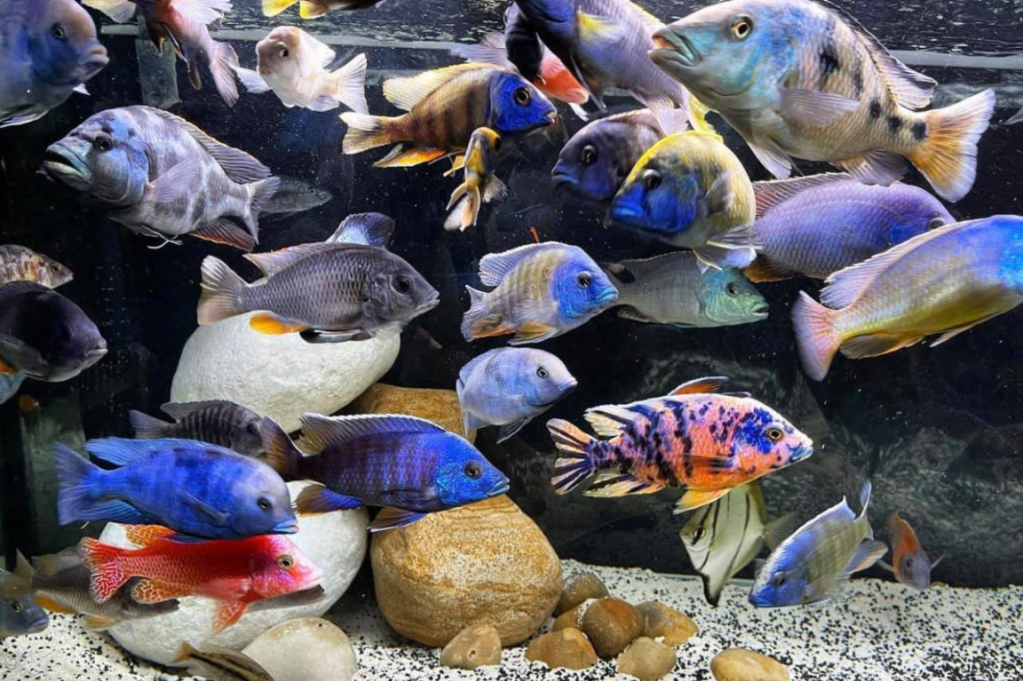
“African cichlids” is a hobbyist’s label, not a species. It usually means the cichlids of the East African Rift lakes, Malawi, Tanganyika and Victoria, and in American shops it most often meant the small, rock-dwelling fish of Lake Malawi.

They are among the most vivid freshwater fish there are, in electric blues, yellows and oranges, and they are not gentle. They hold territory, chase rivals and rearrange the gravel to suit themselves. Many are mouthbrooders: the female carries the eggs, and then the fry, in her mouth.

They are also demanding. Rift lake cichlids want hard, alkaline water and stable chemistry, which fits what Jeffrey said about reading up on nitrate and ammonia. Which cichlids he kept, and how many, is not recorded.

Tiger barbs

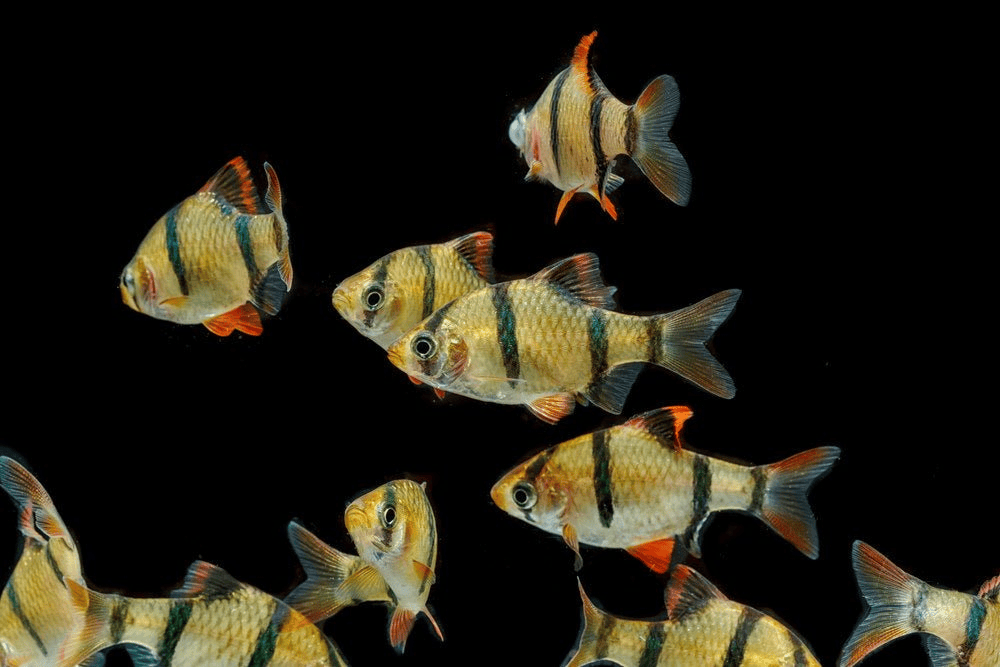
The tiger barb (Puntigrus tetrazona) comes from Sumatra and Borneo. It is a small gold fish, five to seven centimetres long, with four black vertical bars and red-edged fins.

Tiger barbs are schooling fish and are usually kept in groups of six or more. They are fast, restless and famous for nipping the fins of slower tankmates. Kept alone or in pairs they become bullies; kept in a group they mostly squabble among themselves.

Pairing them with African cichlids is unusual. The two come from different continents and prefer different water, the barbs softer and the cichlids harder. But both are hardy, quick and assertive, and an attentive keeper can make the mix work. It was a tank full of movement, not a peaceful community.

The puffer fish he never kept

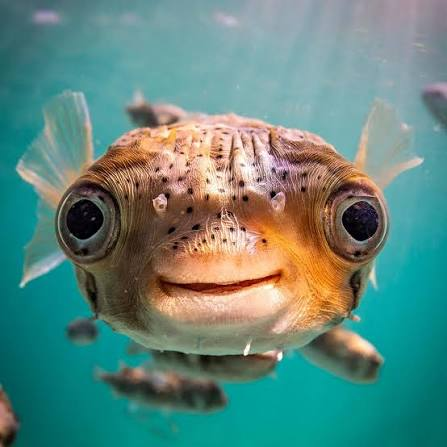
The fish Jeffrey talked about with the most feeling was one he did not own. He said he once saw puffer fish in a shop: “a round fish”, the only ones he had ever seen “with both eyes in front”. Their eyes, he said, were crystal blue, “like a person’s, real cute”.

He did not say which puffer it was, and nothing shows that he bought one. Puffers are difficult fish, often needing brackish or salt water and a tank of their own. He seems to have known that and left them in the shop.

It is a small remark. It is also a rare case of Jeffrey describing a living creature’s face with open affection, and doing so in the same months in which he was describing what he had done to people.

The first fish

The aquarium was not his first. Secondary accounts drawing on his father’s memoir and Brian Masters’ biography say Jeffrey had a goldfish and a turtle as a toddler, at about eighteen months old.

Plants, wood and water

The inventories of the apartment add a few objects to his description: the thirty-gallon tank itself, a box of fish food, a piece of ornamental driftwood, and four books on the care of fish and aquarium maintenance. One account says he bought the tank at The Fish Factory, a Milwaukee shop where he liked to browse, though that detail comes from a secondary account.

The plants

Jeffrey said the tank had live plants, and that is harder than it sounds. African cichlids dig, and many of them eat or uproot anything green. Keepers who want plants with cichlids usually fall back on a few tough species, such as Anubias, Java fern and Vallisneria, often tied to wood or rock so the fish cannot pull them up.

Which plants he grew is not recorded. That any survived suggests either careful choices or regular replanting, and both take effort.

The driftwood

Driftwood gives fish cover and gives plants something to grip. It also releases tannins that soften and slightly acidify the water, which suits tiger barbs better than Rift lake cichlids. In a mixed tank like his, the wood was one more variable to watch.

The water

The most telling words in his description are “nitrate and ammonia”. Fish excrete ammonia, which is toxic. Bacteria in the filter turn it into nitrite and then into nitrate, which is safer but still has to be diluted by changing water. This is the nitrogen cycle, and managing it is the real work of keeping fish.

It is invisible work. Nobody admires a tank for its ammonia reading. Someone who talks about it, years later and from a prison, is someone who did the dull part properly.

The table underneath

The tank cannot be separated from what it stood on. Jeffrey had bought the black table as the base for the shrine he was planning, an arrangement of skulls and skeletons that he sketched and never built. At the time of his arrest, the table intended for the dead was holding up the one thing in the flat he was keeping alive.

It would be easy to make too much of that. It would also be dishonest to leave it out. The same man who could not tolerate another person leaving kept a glass box of creatures that could not leave, asked nothing, and needed him every day. The tank fits the pattern this memorial has traced elsewhere, in the cats, the insects and the animals of his childhood: care that flowed most freely towards beings that could not walk away.

What happened to the fish

No source we have found says what became of the fish after 22 July 1991. The apartment was sealed as a crime scene, his belongings were removed, and the building was demolished in November 1992. Whether anyone rehomed the cichlids and barbs, or whether they died in the days after the arrest, is an open question.

If a reader holds a property inventory or a police narrative that mentions the tank, we would like to see it.

Something he missed

In prison Jeffrey had no aquarium. He had a cell, a Bible, and eventually a tin whistle. When he looked back on his flat, he did not say he missed the furniture or the freedom. He said he missed the fish tank.

It was the one project in Apartment 213 that worked the way it was supposed to. He planned it, read for it, maintained it, and for a while it stayed alive under his hands. That is not an excuse for anything. It is a fact about him, and it belongs on the record with the rest.


Sources

  • Jeffrey Dahmer’s description of the tank, as widely reproduced and generally attributed to Robert K. Ressler and Tom Shachtman, I Have Lived in the Monster (1997).
  • Inventory details (thirty-gallon tank, fish food, driftwood, four fish-care books, the black table): 213 Things from Apartment 213, Control out of Control, compiled from Brian Masters’ The Shrine of Jeffrey Dahmer, Lionel Dahmer’s A Father’s Story and case documents.
  • The Fish Factory, the childhood goldfish and turtle: pyramidsoul, “Jeffrey Dahmer and the relationship with animals”, a secondary compilation.
  • Fish biology and aquarium practice: general reference knowledge, not specific to his tank.