
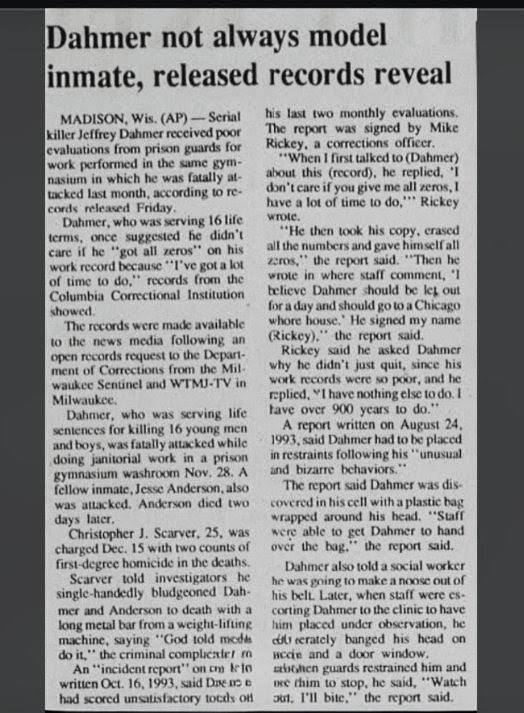
On 24 August 1993, a report was filed at the Columbia Correctional Institution describing what staff called “unusual and bizarre behaviours.” Jeffrey had been discovered in his cell with a plastic bag wrapped around his head. Staff were able to get him to hand it over. He told a social worker he intended to make a noose out of his bedsheet. Later, while being escorted to the clinic for observation, he deliberately banged his head against a door and a window; when guards moved to restrain him, he warned them, “Watch out, I’ll bite.”
He was placed in restraints.
Fourteen months later, on 28 November 1994, he was dead.
It would be easy to read the intervening year as a straight line — crisis to conclusion — but that is not what the record supports, and it is not the aim of this piece. What the record does support is a single, specific, dated moment of documented psychological crisis, described in exactly those terms by the institution itself, at a point when nobody involved could have known what would happen fourteen months later. It deserves to be examined on its own terms.
What the behaviours actually indicate
Read individually, each element of that August report corresponds to a recognised category in the clinical literature on prison suicide risk, not simply a list of “acting out.”
A plastic bag over the head is a concrete, means-based gesture — not a symbolic complaint but an act with a specific method already in motion. The statement to the social worker about a bedsheet noose is a direct verbal communication of both method and intent, the kind of disclosure that risk-assessment frameworks treat as one of the clearest available warning signs precisely because it is not ambiguous. The head-banging that followed, once he was already under observation, reads as an escalation under acute distress rather than a separate incident — three connected behaviours across a single day, not three isolated ones.
Research into near-lethal and severe self-harm among prisoners is explicit that behaviours of this kind function as genuine precursors to more serious attempts, not as manipulation to be discounted. A related finding is worth sitting with directly: in jail populations, the majority of people who go on to die by suicide were not on formal suicide watch at the time of their death. Threats, gestures, and disclosed intent — exactly the pattern documented here — are consistently under-weighted by the systems meant to catch them.
Why a person reaches this point
The literature on why incarcerated people arrive at this kind of crisis does not point primarily to individual pathology. From the inmate’s own perspective, the dominant factors identified across studies are fear of the unknown, distrust of an authoritarian environment, a felt loss of control over one’s own future, isolation from family and outside relationships, shame, and the broadly dehumanising conditions of confinement itself. Separately, research consistently links poor emotional regulation, mental health strain, and a lack of meaningful social support to inmate suicidality — and specifically ties a lack of purposeful work activity to both suicidal ideation and suicide attempts.
That last point lands with particular weight here. The same records that document this crisis also show Jeffrey’s failing work evaluations in the same period, and his own words to a corrections officer: “I don’t care if you give me all zeros, I have a lot of time to do it.” Read in isolation, that line sounds like indifference. Read against the research, and against what happened weeks later, it reads more like the flattened affect of someone already in trouble.
The isolation question
The full incident report does not survive in the released excerpt to confirm his exact housing status that day, but the sequence itself is suggestive: a bag over the head, a stated intention to fashion a noose from a bedsheet, then head-banging severe enough to require restraint — none of this plausibly happens over an extended period with a cellmate present and unremarked upon. The likelier reading is that he was alone at the time, whether by assignment, protective custody, or circumstance. We treat this as a reasoned inference rather than a documented fact, and welcome correction if the full housing record says otherwise.
If that inference holds, there is a substantial body of research worth engaging with. People in solitary confinement make up a small fraction of the total prison population but account for a dramatically disproportionate share of prison suicides. Even protective custody — isolation intended to keep someone safe — carries the same psychological costs as punitive isolation, because the mechanism of harm is the isolation itself, not the reason for it. Some of the clearest data comes from outcomes after release: people who had spent time in restrictive housing were substantially more likely to die by suicide in the year after leaving prison than those who had not, with the risk compounding for each additional stay in isolation.
The institutional response and its limits
The response to the August incident was restraint and observation. This was, by any account, a genuine safety measure in the moment. But it is worth naming plainly what it was not: it was containment, not treatment. Nothing in the record suggests a sustained clinical intervention followed — no indication of ongoing psychiatric support, no apparent reassessment of his housing or work assignment in light of what had just happened. This matches a broader, well-documented pattern in correctional mental health: the system is generally built to respond to the moment of crisis, and far less equipped to address what produced it.
Where this sits against “The Mind That Wouldn’t Stay”
This memorial has already argued, in the “Trance States” piece, that Jeffrey’s dissociative episodes were clinically significant rather than incidental. That argument was built largely from pattern — testimony, later evaluation, retrospective analysis. August 1993 offers something different: a single, dated, contemporaneously documented crisis, described as serious by the institution at the time it happened, not reconstructed afterward. It does not replace the broader argument. It anchors it.
A crisis, not a footnote
None of this reframes what Jeffrey did, or asks the reader to weigh his suffering against the suffering he caused. Those are separate facts, and this memorial has never tried to make one cancel out the other. What this record shows is narrower and, we think, still worth stating clearly: fourteen months before his death, in an institution that documented it themselves, Jeffrey Dahmer was in genuine psychological crisis — and the response he received was restraint, not care. That is true, it is documented, and it belongs in the fuller account of who he was.
By April 1992 — sixteen months before this crisis — Jeffrey was on an antidepressant, two 20mg capsules of Prozac each morning, and was being seen three times a week by a clinical psychologist who did not consider him imminently suicidal at that time. Whether that level of care was still in place by August 1993 isn’t something this report confirms — it simply isn’t mentioned. But the contrast stands on its own: a year and a half earlier, someone was checking on him several times a week. In August 1993, what survives is a crisis and a set of restraints, nothing else. If his care had quietly lapsed somewhere in that gap, this is where it becomes visible.
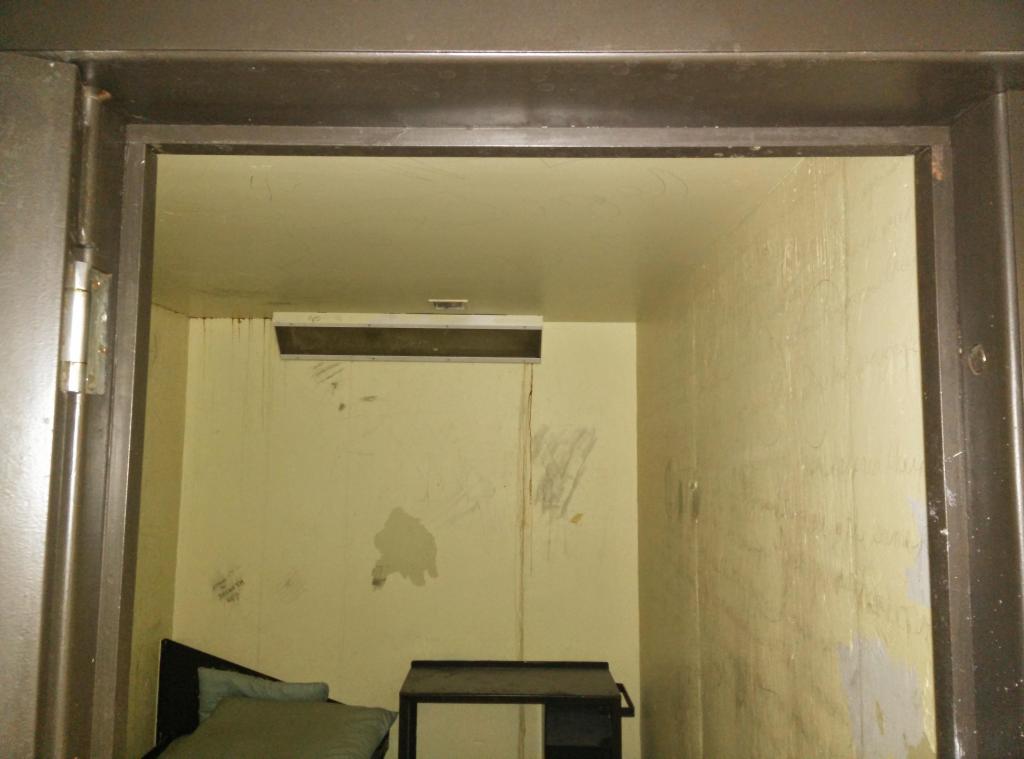
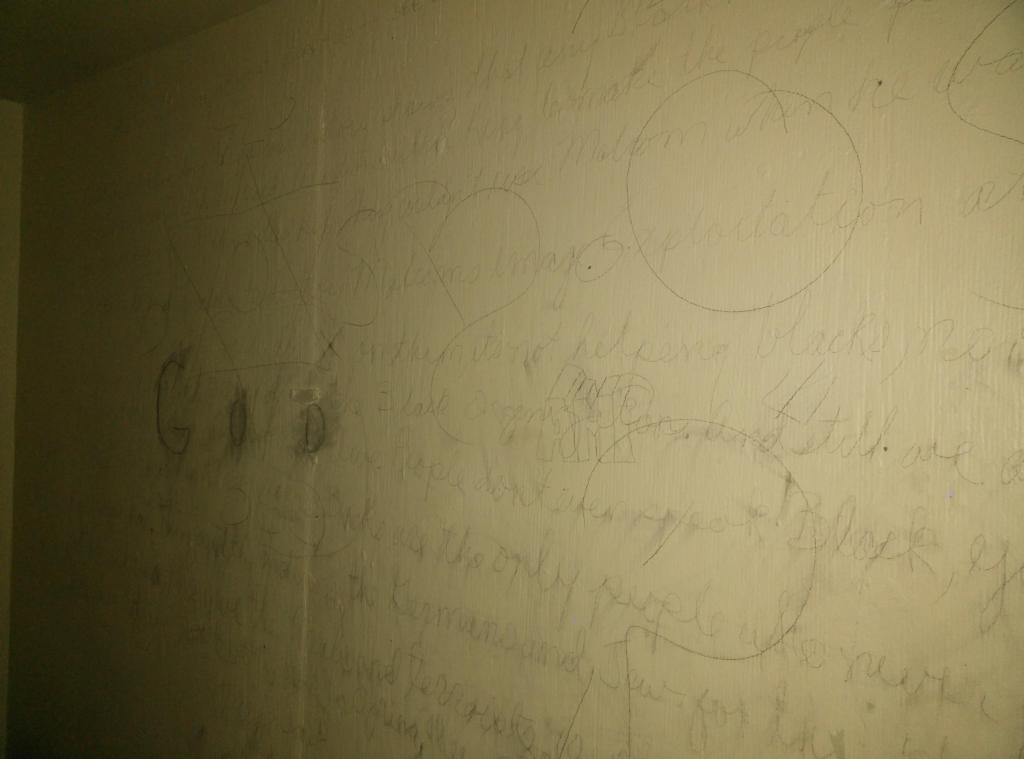



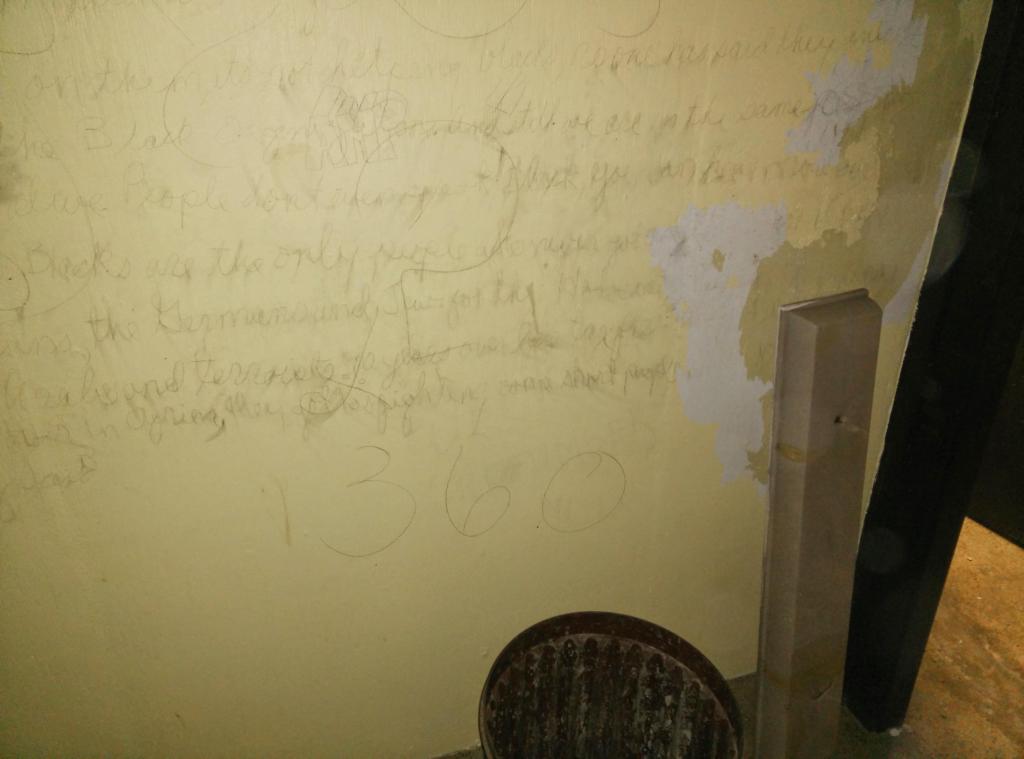
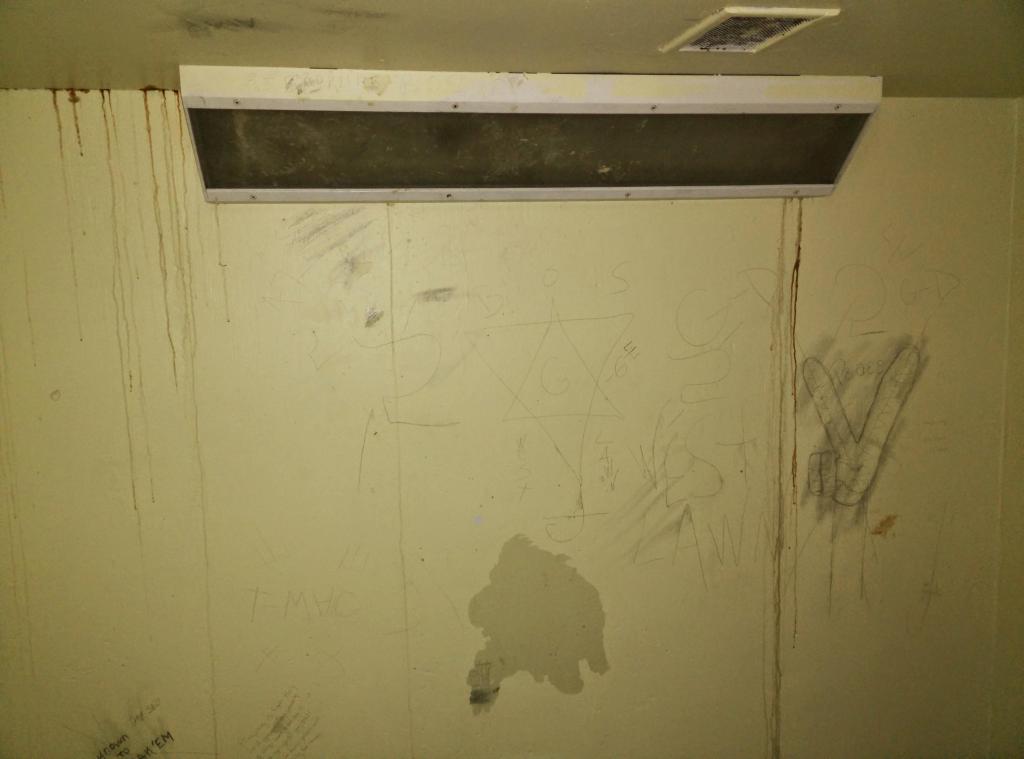
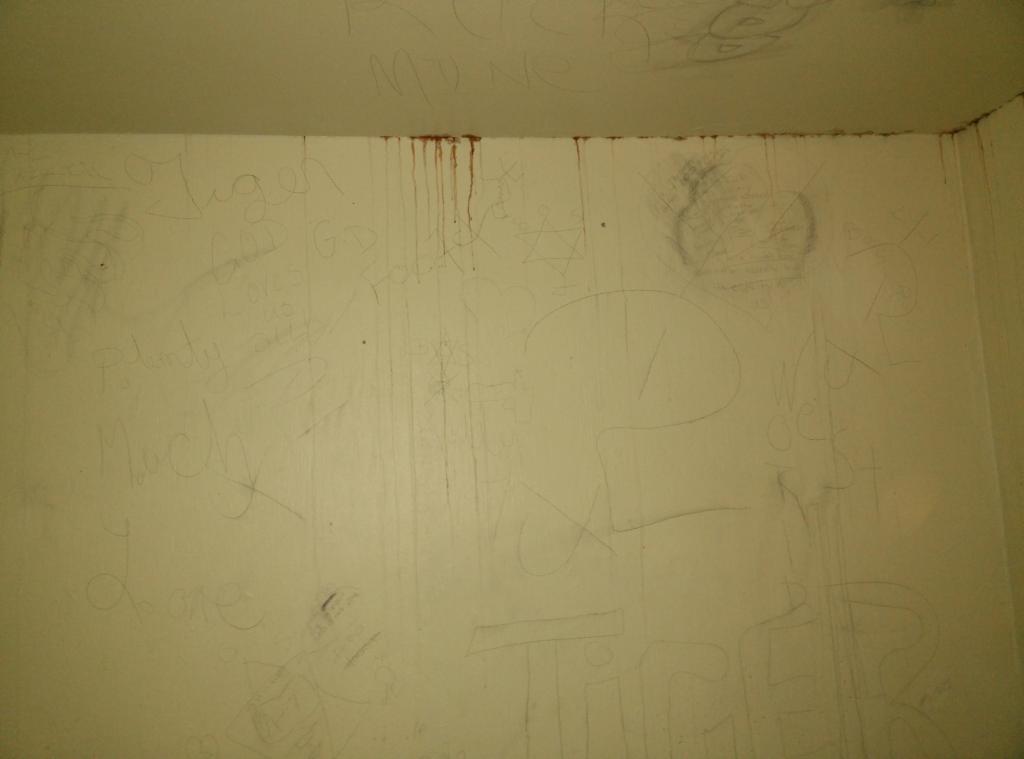
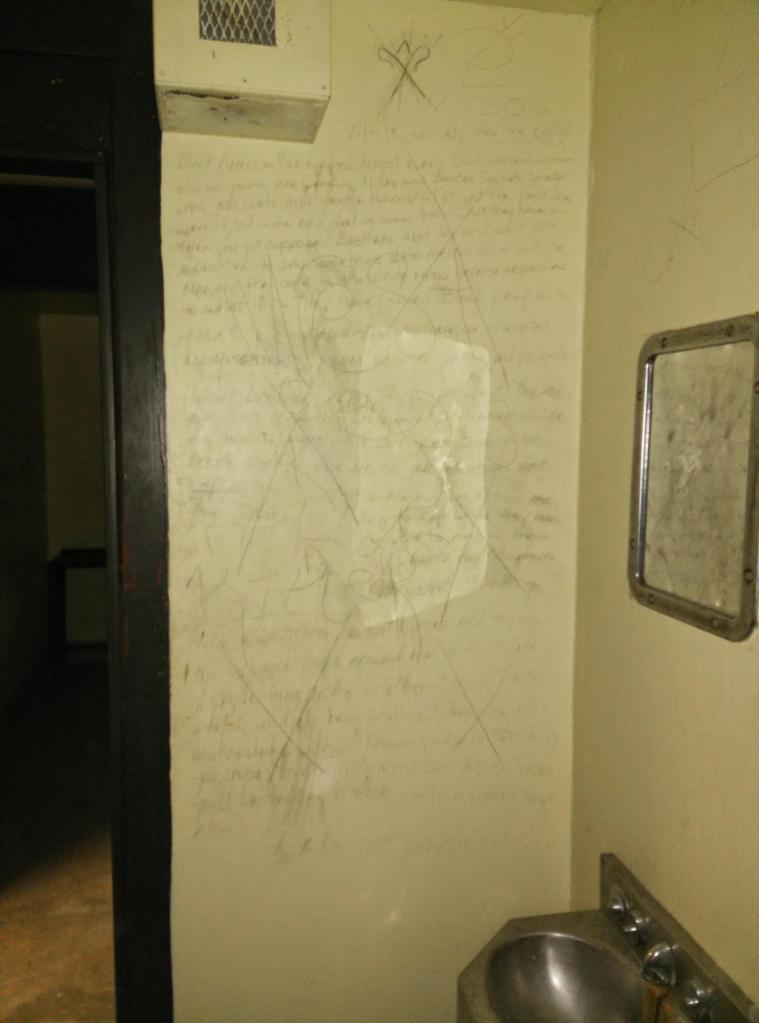
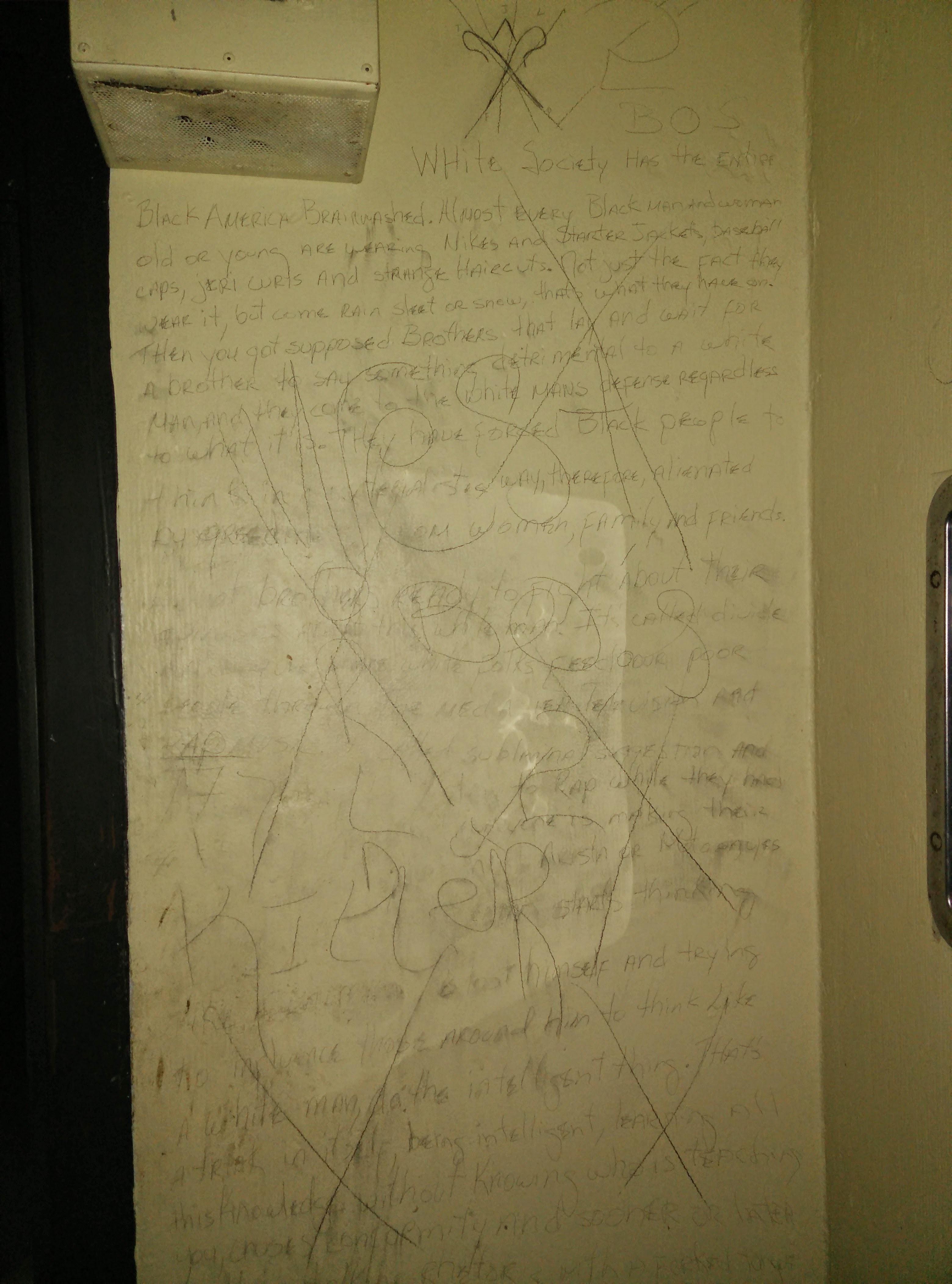
Primary source: Columbia Correctional Institution incident report, 24 August 1993, released under open records request.
- Cain, C. et al. — Jails in Crisis: Study Identifies Those at Risk of Suicide Behind Bars, Florida Atlantic University. https://www.fau.edu/newsdesk/articles/suicide-jails-study.php
- U.S. Department of Justice, National Institute of Corrections — jail suicide risk factors and inmate-perspective drivers (fear, distrust, isolation, shame, dehumanisation). https://www.prisonpolicy.org/scans/doj/012475.pdf
- Examining Risk and Protective Factors for Suicidal Behaviors: A Cross-Sectional Study Among Portuguese Male Inmates, PMC. https://pmc.ncbi.nlm.nih.gov/articles/PMC11817471/
- Prevention of Suicidal Behavior in Prisons: An Overview of Initiatives Based on a Systematic Review of Research on Near-Lethal Suicide Attempts, PMC. https://www.ncbi.nlm.nih.gov/pmc/articles/PMC5120691/
- Vera Institute of Justice — Study Links Solitary Confinement to Increased Risk of Death After Release (JAMA/North Carolina cohort study). https://www.vera.org/news/study-links-solitary-confinement-to-increased-risk-of-death-after-release
- Prison Policy Initiative — The research is clear: Solitary confinement causes long-lasting harm (6–8% of prison population, ~50% of prison suicides). https://www.prisonpolicy.org/blog/2020/12/08/solitary_symposium/


