Jeff and STPD


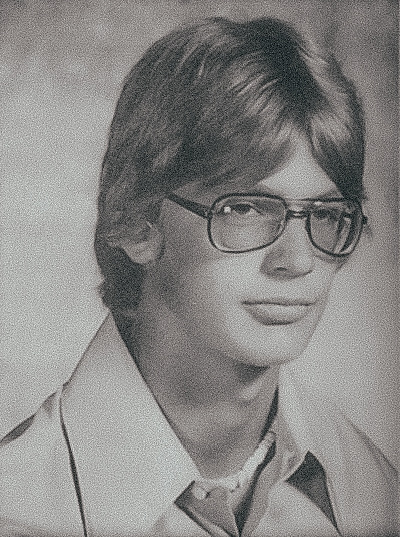
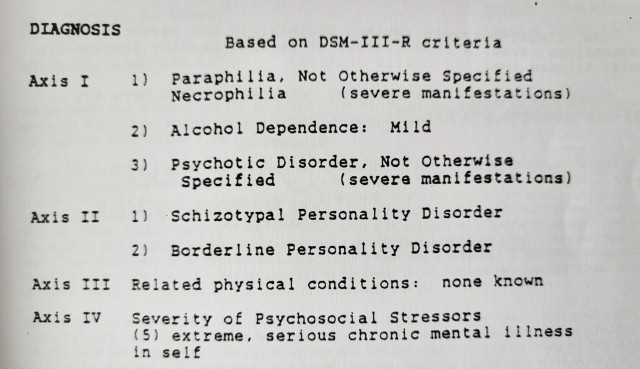
Jeff Dahmer, was according to the Psych Reports, diagnosed with Schizotypal Personality Disorder.

A little background info:
This type of personality disorder falls under the cluster A of personality disorders. The STPD diagnostic criteria for DSM-5 consist of:

  • ideas of reference
  • odd beliefs of magical thinking
  • unusual perceptual experiences and bodily illusions
  • odd thinking and speech
  • suspiciousness or paranoid ideation
  • inappropriate or constricted affect
  • behavior or appearance that is odd, eccentric or peculiar
  • lack of close friends of confidants, other than first degree relatives
  • excessive social anxiety that doesn’t diminish with familiarity and tends to be associated with paranoid beliefs.

Five of nine criteria are required for a diagnosis of STPD.

STPD remained significantly associated with bipolar I and II disorder, PTSD, BPD and NPD. Twin studies have provided evidence that STPD is determined by both familial-genetic and unique environmental factors. A number of forms of psychological trauma and chronic stress have been associated with STPD. Over half of patients with STPD have had > 1 episode of major depressive disorder and 30 to 50% of them have major depressive disorder when schizotypal personality disorder is diagnosed. These patients often also have a substance use disorder. 

People with STPD often come across as aloof, flat or emotionally distant, and are preoccupied with fantasy and daydreaming. People with this disorder may ignore ordinary social conventions (for example, not make eye contact), and because they do not understand usual social cues, they may interact with others inappropriately or stiffly. They are very uncomfortable relating to people. They interact with people if they have to but prefer not to because they feel like they are different and do not belong. However, they may say their lack of relationships makes them unhappy. Signs and symptoms of schizotypal personality disorder, such as increased interest in solitary activities or a high level of social anxiety, may be seen in the teen years. The child may be an underperformer in school or appear socially out of step with peers, which may result in teasing or bullying.

Now let’s look at Jeff and some of his behavior that could be related to his STPD:

  • If we look at his childhood there are obvious signs he kept to himself. He didn’t have many friends, he didn’t interact a lot with other kids at a young age. There were two incidents that are mentioned in The Shrine that could have “started” his STPD. The incident with the tadpoles, where the teacher gave Jeff’s present to her, to another kid he thought of as a friend. He killed the tadpoles with motor oil when he found out. This could have been a trigger for him to be suspicious of people who are kind to him. The other incident is with a choking game he played with the other kids. When it was Jeff’s turn to choke a kid, the kid ran to the teacher to tattle on him. Another betrayal in his early life that could have started his paranoid and suspicious beliefs.
  • In his teens we can see some of the behavior that is odd and peculiar. The things he did that were seen as Doing a Dahmer. I know this was also a way to hide his true self, his dark thoughts he was already having but it could also be related to early signs of STPD if you think about it.
  • He obviously never had any close relationships besides his parents and grandmother. Not that he was particularly close to his parents but yeah.
  • His paranoid beliefs also can be seen in his alarm system he bought but never fully installed. He might have thought just to look of it might scare people away if they wanted to break in. 
  • Examples of his odd thinking of beliefs can be seen in him thinking the yellow eye contacts could give him the same power as The Emperor in Star Wars. Jeff seemed to be obsessed with obtaining a certain power or control over people. 
  • His idea of creating a Shrine. The Shrine he was building was for remembering the physical appearance of his victims but also another way for him to get some sort of power. 
  • Jeff mentioned often it was like he was possessed by an evil force that gave him these compulsions he could not get rid of. He truly thought he was Evil.
  • Another odd or magical belief could be him thinking that wearing a victim’s face or eating their body parts would make them one with him. That they would continue to live on inside of him 
  • Some people mistake Jeff for being a psychopath because of his lack of expressing or showing emotion. But this is also a typical sign of STPD. Dr. Norman Goldfrab mentioned: His voice was devoid of emotional shading of life and that Jeff was “suspicious of the motives of others, a classic schizoid trait.” Dr Evelyn Rosen’s has said that Jeff had a “schizoid personality disorder with paranoid features.” And added a dire prognostication: “Jeff is not psychotic, but not much is needed to push him and alcohol serves this purpose.”
  • Schizoid personality disorder is also a personality disorder often mentioned in The Shrine but Jeff was never officially diagnosed with it according to the Pscyh Reports. The symptoms between STPD and Schizoid Personality Disorder do show similarities
  • While people with schizotypal personality disorder may experience brief psychotic episodes with delusions or hallucinations, the episodes are not as frequent, prolonged or intense as in schizophrenia. It is possible, if we believe Tracy Edwards story, that Jeff might have experienced at that time a brief psychotic episode. 
  • Jeff’s crimes were based on his bizarre fantasies. His whole life was focused on chasing the ultimate fantasy he had of the perfect orgasm and control.

A study has shown that people with Stpd have more chances of having olfactory identification impairment which can explain how it was possible that Jeff lived in a small apartment with rotting bodies and cutting open to viscera without getting sick of the smell himself.

These are the first few signs of his STPD that I came up with. I am open to feedback and things you might know about him that could relate to his STPD. Just to be clear, I am not an expert on personality disorders. During my study I had only one short term on mental health conditions, so my own knowledge is limited. The things I mentioned with Jeff’s behavior related to STPD is how I see it. I just found it weird how little this disorder is mentioned in Jeff’s case.
The Baptism of Jeffrey Dahmer

Title: The Baptism of Jeffrey Dahmer: A Profound Encounter with Roy Ratcliff (1994)

Introduction:
In the realm of criminal history, few names elicit as much horror as Jeffrey Dahmer’s. However, amidst the darkness that surrounded him, there exists an intriguing chapter involving his baptism conducted by Roy Ratcliff in 1994. This blog entry aims to shed some light on this significant event and the person who performed the ceremony.

Roy Ratcliff
  1. Who Was Roy Ratcliff?
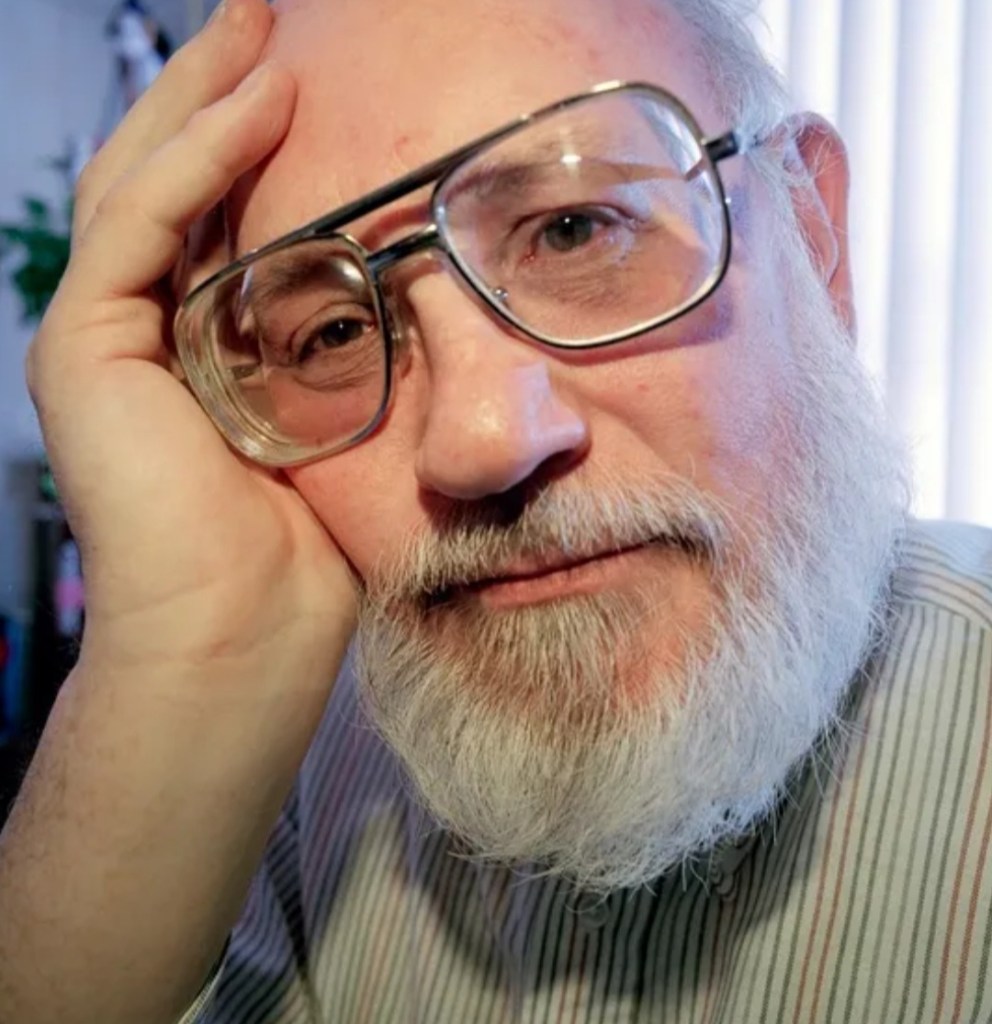
    Roy Ratcliff, a Church of Christ minister, played a critical role in the life of Jeffrey Dahmer during his incarceration. Ratcliff was a volunteer pastor at the Columbia Correctional Institution in Portage, Wisconsin, where Dahmer was serving multiple life sentences. Ratcliff’s primary focus was spiritual counseling and offering prisoners a chance for redemption.
  2. The Baptism:
    In May 1994, Ratcliff and Dahmer developed a rapport through regular meetings, discussions, and Bible studies. Eventually, it was agreed upon that Dahmer would undergo baptism, symbolizing his newfound faith in Christianity. Ratcliff carried out the baptism ceremony in the prison chapel. It was a private event attended by a small group of witnesses, including Dahmer’s father and some prison staff.
  3. Significance and Controversy:
    Dahmer’s baptism intrigued the media and sparked widespread debate. Some perceived it as a genuine spiritual transformation, while others cynically viewed it as a desperate plea for leniency. Ratcliff defended his decision, stating he believed in the power of forgiveness and the potential for redemption in even the most heinous individuals.
  4. The Aftermath:
    Sadly, just two months later, Jeffrey Dahmer was brutally murdered by a fellow inmate. Nevertheless, Ratcliff’s act of performing the baptism exemplifies his commitment to ministering to those society deems irredeemable. While the precise impact of this event in Dahmer’s life remains open to interpretation, it serves as a reminder of the complexity of human nature and the importance of extending compassion even to the most reviled individuals.

Conclusion:
The baptism of Jeffrey Dahmer performed by Roy Ratcliff in 1994 offers a thought-provoking glimpse into the role of faith and redemption in the lives of criminals. Ratcliff’s decision to conduct the ceremony showcased the transformative power of spirituality and the belief in the potential for change, even in the face of unimaginable atrocities. This event will forever be a part of both men’s stories, forever shrouded in the duality of hope and the darkness that surrounded them.

Michael Lofton conducts an interview with the minister who administered the baptism of Jeffrey Dahmer, prior to his tragic demise at the hands of a fellow inmate. During the conversation, they delve into the topic of Dahmer’s religious conversion and explore the genuineness of his faith. Additionally, the minister shares their personal encounters with Dahmer, reflecting on the seven months of weekly ministry they provided leading up to his untimely death.

Roy Ratcliff had an “Life Changing encounter…”

Impressed by Dahmer’s sincerity, Ratcliff arranged for his baptism in a whirlpool within the prison. On May 10, 1994, Ratcliff performed the baptism, marking a significant turning point in Dahmer’s life. Determined to support his spiritual journey, Ratcliff committed to weekly Bible study sessions with the convicted murderer.

As Ratcliff delved deeper into Dahmer’s story, he was struck by the dichotomy between the monster described in the media and the person he had come to know. While Dahmer occasionally mentioned his crimes, he never provided an explanation for his actions. Ratcliff, along with the rest of the nation, could only speculate on the motivations behind Dahmer’s gruesome acts.

Despite public backlash and criticism, Ratcliff firmly believed in Dahmer’s capacity for repentance and transformation. He received mixed reactions, with some questioning his judgment while others commended his unwavering faith in the power of redemption. Ratcliff held firm in his belief that even the most evil individuals could turn to God and be saved.

Over time, Ratcliff observed a gradual change in Dahmer’s demeanor. The once self-destructive man began to show a genuine desire to help fellow inmates, particularly through Bible study sessions. Dahmer’s father, Lionel, also noticed the positive shift in his son’s outlook on life.

Tragically, Dahmer’s journey toward redemption was cut short. In a horrifying turn of events, he was attacked and killed by another inmate while performing janitorial duties. Ratcliff, who had formed a deep bond with Dahmer, felt a profound sense of betrayal and loss. Just days before his death, Dahmer had expressed gratitude to Ratcliff and looked forward to their continued friendship.

Ratcliff presided over a memorial service for Dahmer, where he stood alongside Dahmer’s family. The event also brought together the sister of one of Dahmer’s victims, who expressed her newfound ability to forgive Dahmer, offering a glimpse of healing and redemption for all those affected by his crimes.

A decade after Dahmer’s passing, Ratcliff remains committed to his ministry and has expanded his work in prison settings. Inspired by his encounter with Dahmer, Ratcliff developed a profound empathy for those incarcerated, recognizing the importance of compassion and support in their journey towards rehabilitation and spiritual growth.

The encounter with Dahmer challenged Ratcliff’s preconceptions and taught him that no one is beyond the reach of God’s grace. It serves as a powerful reminder that even in the darkest corners of humanity, there exists the potential for transformation and the capacity for forgiveness.

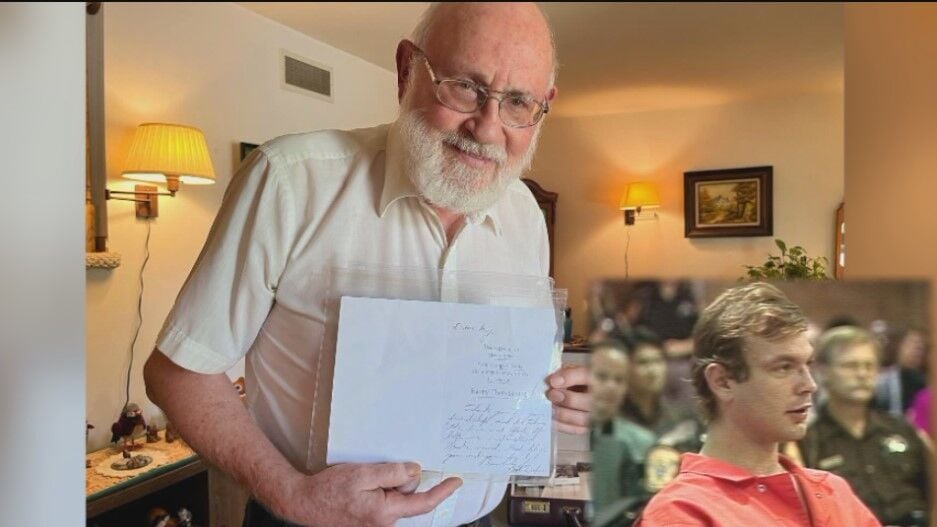
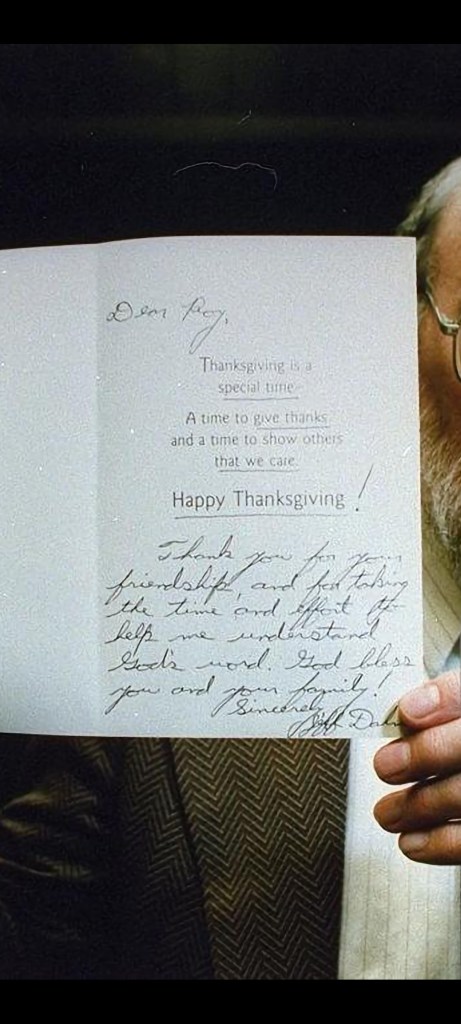
In addition to the profound spiritual journey that Roy Ratcliff shared with Jeffrey Dahmer, their connection deepened into a genuine friendship. Dahmer’s gratitude for Ratcliff’s support and guidance was evident when he sent Ratcliff a Thanksgiving Day card, expressing his appreciation for their friendship and eagerly anticipating their future meetings.


This unexpected gesture touched Ratcliff deeply, as it symbolized the bond they had formed despite the immense challenges and societal judgment surrounding their relationship. The card became a poignant reminder of the potential for human connection and the capacity for transformation, even in the darkest circumstances.

Ratcliff cherished the card and looked forward to the prospect of continuing their Bible study sessions and sharing their spiritual journey. Little did he know that it would be their last communication, as just days later, Dahmer’s life was tragically cut short.

This heartfelt act of gratitude serves as a testament to the profound impact Ratcliff had on Dahmer’s life. Their friendship transcended societal boundaries, reminding us all of the power of compassion, forgiveness, and the potential for redemption, even in the most unlikely of circumstances.

the tragic teacher

jeff never thought his life could be helpful to anyone, but he really has helped me a ton. he’s helped me think more deeply about people, about psychology, about the different ways in which the system fails us all, and about the complex nature of morality and human nature in general.

jeff is a teacher and subject both, perhaps inadvertently so. he didn’t recognize his own power. but i’m always going to be grateful to him for that. his actions were horrific, but his existence has somehow still helped us all here in this community. those who’ve wished to study him deeply have uncovered a lot of profound truths along the way.

like a retrograde planet, jeff’s existence bungled things up quite a bit, but it also taught us a lot in the process. and there are always going to be retrogrades. on a grand scale, we need them.

and i hate even saying that because it seems like an insult to his victims. they certainly didn’t deserve to die or be violated in all those horrible disgusting ways. it’s sort of making me squirm to even have this thought at all right now. but i guess death gets us all at some point; it’s just a matter of how it happens and what — or who — brings it. and sometimes society as a whole needs a shock to it in order to recognize that the current setup is absolutely fucked and needs to change. it’s just how the huge complex rube-goldberg contraption called “the world” is set up.

unfortunately, someone has to play the bad guy. like how judas had to betray jesus in order to get the ball rolling for his death and resurrection. without judas, the whole thing would never have happened. he hated himself for what he did, too, and he hung himself because of it.

i see jeff very similarly. he’s a catalyst for change.

and now somehow i’m linking this with the trolley problem. a few casualties for the good of the whole later on down the line? it’s cruel. it’s brutal. it’s a horrible reality. but the only way we can improve things as they are, i guess, is by fighting fire with fire at some point.

i don’t know. this might all be bullshit and i might regret saying it in about 5 minutes. i feel like i’m being insulting to jeff’s victims by saying it. but i’m also not married to these thoughts, either — they’re just swimming through my head, and i might read over them again in an hour and hate them. but maybe there’s a similarity there in that i’m thinking brutal thoughts and am self-aware at the same time, just as jeff was self-aware and yet couldn’t stop causing destruction.

i think his fame was necessary. he had to slam into our collective consciousness like a meteor and leave a huge crater so we can later fill it with new lessons and knowledge.

it makes sense that he came to light during the early 90s, with all that harsh outer-planet shit that was going on right then. capricorn and scorpio, saturn and pluto dominance. saturn is the grim reaper swinging his scythe; pluto destroys and rebuilds. jeff was absolutely a harbinger of all this outer-planet energy.

maybe in his next life, jeff will go on to be an even greater force for helping people than he was for harming them. maybe he’s already doing that right now. he just needed to go through a really nasty incarnation first.

maybe he needed to experience firsthand what horrors one human is capable of before he could help change this in the next life. i do wonder how many of us have at least one past life where we were a murderer or a rapist or some other awful person, and that’s what’s made us wiser in the end and we just aren’t aware of it.

the difference with jeff is that he seemed to retain some awareness that this was wrong. he’s bridged the gap so we can peer into the other side. he’s relatable because we need to be able to recognize these traits in ourselves.

only then can we take the first step toward righting our wrongs.

[ • dahmers-ashes • ]

a vision through his eyes

on august 7, 2019, i had a vision that i could not control. it came to me out of the blue — no drugs or anything else mind-altering involved — and as the imagery flashed through my mind’s eye automatically, i did my best to record it. i have never experienced anything like it before or since.

this is the raw, 99.9% unedited recording of what i saw. i only edited two words in one sentence for clarity later on.

❖ ❖ ❖

for a split second, i was him.. i was there

“but if you knew any more, it would break your brain.”

you’re channelling the wrong part of the collective consciousness. it’s causing a system malfunction. somebody is chasing someone, somewhere.. you know you have knowledge you’re not supposed to and that’s why you’re scared. our flesh hardware isn’t meant to support that operating system.

we’re meant to be blind little single-celled organisms, moving slowly on this space rock.. and yet we have such interesting and complex lives. you suddenly become aware of how limited your vision is and that is existential horror. do you feel claustrophobic? that’s a lot of consciousness to squeeze into such a tiny little cell.

we’re all in solitary confinement.

i’m him again, and i’m in solitary confinement. i feel how tall i am, how broad and muscular my shoulders are, and it’s strange.. but i accept it. i can see the last bit of the outside world through the bars. light streaming in, dust particles dancing in the beams between the iron columns. everything is cold and hard and it smells musty, like grandmother’s basement. i’m subtly afraid for the life i’m not supposed to have.

it’s evening now, i assume. we line up for our meal and i don’t want to eat it. but i have no choice. i just want to go back to sleep.

all i want to do is sleep. i read to keep myself distracted. i’m always looking for new distractions. having a sense of humor helps but i can’t quite get myself to laugh all the time. i’m hollow and the grey surroundings fill me. i’m grey inside.

i am TV static. neptune in the first, blurring the lines. i was a man possessed, or was i? will the blood of christ be enough to drown out the sins of my past? he died even for me. there’s room in heaven for me too. i really want to be baptized.

i really want to be baptized. to get right with god.

the trance is fading now.. i still have snippets of a past i never lived. i stare at the images of birds on the glossy paper. goldfinches, woodpeckers, chickadees incubating their eggs. it’s all the nature i get to see now, that and my little window. i smile when i see my chipmunk friend outside in the grass. i haven’t named him in my head but maybe i should. he can be like my pet.

i should have just gotten an aquarium. i could be watching the fish in my apartment the same way. but if i were to go free, i’d be even more enslaved than i am now. enslaved by my weakness, my selfishness, my alcoholism, my compulsions. ironically, i am more free here.

i know i deserve death.

i have memorized every crack in the wall. i hear someone screaming down the hall somewhere, and banging noises. the wall has faces, i imagine. like seeing shapes in the clouds. i have learned to appreciate every small change that comes my way. it’s a simple life. it’s still more than i deserve.

how long will i be here, lingering inside another man’s body and mind? carrying the heaviness in my chest of crimes i never committed? except that in this moment.. i have memories of them. shampoo running down from my head and another man’s blood spiralling at my feet. i don’t smell it anymore but i know they have complained. i don’t want to be like this. i need another beer, and another, and another, all to drown the shame. i need to drink so much now for it to have any effect.

his stillness as i lay with him in our bed. he was freshly dead; i intertwined my legs with his to take advantage of all the warmth he still had left. i ran my fingers through his hair, talked to him, whispered sweet nothings in his deaf ear. he was mine now, and he always would be. he was mine.

he was mine.

he would never leave me now.

i could still smell the cologne he put on, the body wash he used in his last shower, the scent of laundry detergent on his clothes. there was something musty underneath it now, something bleak. he was starting to feel cool to the touch, so i held him tighter. my love. i will give him all the warmth i have.

why did he have to be so impermanent even in this state?

even his body would soon be taken over by nature’s course. i would perform my ritual to circumvent this slightly. dear lord, we break the bread, in memory.

one last rush from a failed experiment. his head leaks caustic substance and it stings my skin as i smooth back his soft dark hair. look into his vacated eyes, staring at nothing. i’m so sorry.

i just couldn’t let you go.

those times are faded now. my regret serves nothing and yet it still hovers in the background. i put it all into the arms of the lord jesus christ. he will carry away even my sins. i am in his embrace.

in his arms, i am safe from myself.

i am safe from abandonment.

i am safe.. even though all of them are destroyed.

i’m so sorry.

💔

[ • dahmers-ashes • ]

the same star stuff

everyone has a little bit of jeff dahmer within us.

that’s the point.

ultimately, it’s why we keep coming back to him.

maybe his attractiveness or the shocking nature of his crimes are what grab our attention at first, but it’s his undeniable, discomfiting relatability that makes us stay.

he is the dorian gray painting we hide in our attic, the scapegoat we use when we want to look Good and Righteous. as if we don’t all have some kind of depravity within ourselves. it might not be as bad or as obvious as his, not even close. but it’s there. to some degree, it is there.

we’re all made of the same star stuff. and jeff was fully, completely human, in the most shocking and grotesque and strangely beautiful way possible. he was just as human as anyone else, and that’s plain to see. anyone who worked with him closely could see his humanity clear as crystal. so to reconcile that with the monstrous actions he’s known for — that’s a huge challenge for most. and i get why.

nobody wants to be associated with that type of thing.

but neither did jeff.

he hated what he was, hated his urges, hated himself for finding pleasure in the most fucked-up shit imaginable. and yet he had that other side to him that craved it and would do anything to get it. he had a demon inside of him, and that demon WAS him. it was and it wasn’t. he was a true gemini, a personality split down the middle.

perhaps that’s what he was brought to earth to teach us.

it’s easy for us to separate ourselves from people like john wayne gacy and ted bundy. though they were human too, they were obvious psychopathic sadists who loved to hurt people. the vast majority of us can easily make a distinction between Us and Them.

but you can’t do that nearly so easily with dahmer. and people most certainly try. oh yes, they do. they’ll find any reason possible to deny that he had a likable, relatable side to him, all because they want a clean and simple answer.

a clean and simple answer isn’t possible, though. not when it comes to jeff.

he forces us to think outside the box.

and he forces us all to face ourselves.

[ • dahmers-ashes • ]

Jeff and his addiction to alcohol

According to the book, Milwaukee Massacre, the first time Jeff’s relationship with alcohol was noticed, was in seventh grade. A classmate noticed his stash of gin in the locker. He said “I don’t remember much about him other than his drinking. He pretty much kept to himself all the time.”

Alcohol lowers people’s inhibitions. In Jeff’s case he would start doing clown acts that became known as “Doing A Dahmer”. This included things like bleating like a sheep, faking epileptic seizures, sitting in the library and yelling out the librarian’s name. Another classmate said “His behavior manifested a deep need for some sort of attention. He was desperate for attention. But he wasn’t considered anybody’s responsibility. No one ever confronted him or tried to help him. No one ever did anything about it. We just found ways to ignore him.” One of the most haunting things must be the National Honor Society photo. In one of his pranks, Jeff sneaked into the group portrait, where he certainly hadn’t earned a spot. There’s a spooky silhouette, blacked out with a marking pen. The president of the group was so incensed that he ordered Jeff’s image blotted out. It became something of a cheap metaphor for Jeff Dahmer’s life. He tried to get attention, but wound up being erased.

There was one time that we definitely know of that a teacher saw him drinking. In the Shrine it says: One of the teachers at Revere High School saw him sitting on the grass outside the parking lot, with a twelve-pack of beer in a brown paper bag. Three of the cans were already empty. The teacher, Mr Smesko, told Jeff that he really ought not to bring alcohol to school and that he would have to report the matter. Jeff told him that he was having ‘a lot of problems’ and that the guidance counsellor, Mr Kungle, knew all about it. The ‘problems’ were thought by both teachers to revolve around his parents’ divorce. They did not know that he was also struggling with dark thoughts in his head. Mr Smesko could not help noticing, not only that Jeff’s eyes were glossy and bloodshot, as one would expect him to observe, but also that the boy was ‘solemn and depressed’. It is not often that a teacher in the course of a routine reprimand should notice such a detail of mood.

To me, one of the biggest signs of screaming for help during high school is described in the book My Friend Dahmer.
One evening when the school year was coming to an end, the Dahmer Fanclub wanted Jeff to do something big. Like a command performance as how they called it. They started collecting money to give Jeff so he would do his thing in the local mall. The total amount was 35 dollars and Jeff agreed. At the time Jeff was drinking heavily and Derf Backderf recalls in their senior year he never had a normal conversation with Jeff. Not one. Whatever personality he once had was gone. He was always drunk or in character or both. In My Friend Dahmer he says that Jeff already reeked of booze at 7:45 in the morning. Saturday came and it was time for Jeff’s Command Performance. The Dahmer Fanclub picked him up at home and they drove to the mall. During the 10 minute ride, Jeff drank an entire sixpack. It was this moment that Derf was hit with the realization that Jeff was not just odd but truly scary. At the mall, a group was already waiting for him. Waiting to perform his act. Apparently the act went on for 2 hours. Derf recalls it wasn’t as much fun as he anticipated. It actually creeped him out. By late afternoon they had enough. The day would become legend but it ended quietly. There was no grand finale. Derf and another friend walked to the car and made plans for the evening. Jeff was not invited. In the book he says “in truth I couldn’t wait to ditch the guy fast enough.” They dropped Jeff off at home and that meant the end of the Dahmer Fanclub. After this, they excluded Jeff from their friend group. Jeff was alone again with only his own thoughts to keep him company. In the movie My Friend Dahmer you can get a good idea of how chilling an terrifying this must have looked.

By the time Jeff was legally an adult, he was already an alcoholic. His roommate during his one term at Ohio State has said that Jeff used to take bottles to class with him and came back drunk. Jeff got back from the army early because of his alcoholism. In his final year of service, two roommates recalled:
He would drink and have his headphones on, kind of be shut out from the rest of the world. He wouldn’t move. He wouldn’t even go out for chow. He wouldn’t get takeout food. He’d drink until he passed out and then wake up and drink some more. There were a lot of people who used to drink, but not like him.
He always had that look about him, something sinister. He would never explode, he never showed anger. He would never act it out. He was very calculating. I don’t know, he was on a steady decline in life. He was on a losing skid and didn’t know how to pick himself up.

It’s important to remember the effects of drinking alcohol excessively has on the developing brain. Research has shown that young people who drink alcohol regularly, lose motivation to do well in school. This is also noticeable with Jeff. He had the intelligence but went from As to Fs in his senior year. It reduces your feeling of empathy. We know Jeff wasn’t a psychopath but he did seem to not have the normal empathic feelings. He even wondered himself why he didn’t felt more remorse for what he had done. His alcohol dependence definitely had something to do with that. In my opinion it helped him or made it more easier to dissociate himself.

It also makes you act more impulsively and have trouble with your memory. An extreme example and one Jeff has experienced atleast one is the alcohol black out. There are two different ones. But the one Jeff had on the night he killed Steven Tuomi where he experienced complete amnesia, often spanning hours, is known as an “en bloc” blackout. With this severe form of blackout, memories of events do not form and typically cannot be recovered. It is as if the events simply never occurred.

In the Shrine, Jeff said this about the black out:
‘I felt complete shock,’ he recalls. ‘Just couldn’t believe it. Shock, horror, panic, I just couldn’t believe it happened again after all those years when I’d done nothing like this.’ He had a terrible hangover, but fought himself to his feet to ponder what could have occurred. First, he dragged the body to the closet and shut it in, out of sight. Then he spent the next five hours pacing up and down the hotel room, smoking cigarettes non-stop, ‘wondering what to do, how to handle the situation’.
‘It’s almost like I temporarily lost control of myself,’ he said. ‘I don’t know what was going through my mind. I have no memory of it. I tried to dredge it up, but I have no memory of it whatsoever.’ They had been drinking rum, but where was the bottle? It was missing. That might mean that he had taken it out and left the door open, that somebody might have peered inside, it might mean anything. He searched everywhere for the bottle. Had he thrown it out of the window? ‘I looked down, went down to the sidewalk under the window, I don’t know what I did with it. Sometime during the night I must have taken the bottle and put it somewhere. I never did find out what happened to it. That scared the hell out of me, haunted me for a long time.’ If he could not remember when he killed Steven, it was evident from the bruises how he had done it. But why? It was put to him years later that to beat a man to death suggested an access of rage. ‘You’re right, you’re right,’ he said. ‘I can’t side-step that. That shocked me in the morning. Where that rage came from or why that happened, I don’t know. I was not conscious of it. Why I had the rage, why I took it out on him, I don’t know. I must have pounded awful hard, because the rib-cage had broken, I could feel the bone. Everything went blank on me.’

Because alcohol makes you act more impulsively, you can also become more agressive. While sober it seemed Jeff could control his anger fairly well. But while being a drunk shit I do believe he had a temper. I think the best example is when he got arrested for disorderly conduct. He was drunk and abusive. He threatened to shoot the bartender because she refused to serve him. She called the police and 4 police officers were needed to hold Jeff down. He spent the night at the police station.
During his years of killing, Jeff continued to drink heavily. I think it’s amazing he never poisoned himself with it. He needed alcohol during the dismemberment of the bodies otherwise he wasn’t able to. I often wonder how much alcohol played a part in Jeff actually acting on his fantasies of killing people to keep them with him.

Jeff himself said during his hearing for the sexual assault case: I am an alcoholic. Not the sort that has to have a drink every single day, but when I do drink, I go overboard.

Feel free to share your thoughts with us on this!

Jeff’s hernia operation

On 19 March of 1964 Jeffrey had his double hernia operation. It’s quite a heavy operation, even on an adult, so for a child it could be really traumatic.
Jeff remembers being in the hospital before the surgery and he watched “Bewitched” with several other kids. When Jeff recovered from the anesthesia he was having intense pain in the groin. According to Lionel, his dad, Jeff asked his mother if they cut off his penis. We don’t know what his mom told him and it’s something to think about how much they did to prepare little Jeffrey for such an intense surgery. As an adult and 27 years after the surgery, Jeff told Dr Judith Becker that the pain was so great he thought his genitals must have been cut off.

According to several studies it’s a fact surgery at young age has a high risk at developing traumatic stress reactions. Several other risk factors have been identified, which may guide services in screening those who may be most at risk. These include cases where:

  • the family are lacking in social support
  • the child is in the hospital for a longer period
  • or a parent is suffering with mental health difficulties or high levels of stress.

Joyce, his mom, wrote in her diary that “Jeff was so good in the hospital but he really disliked the doctor after this ordeal.” According to the Shrine of Jeffrey Dahmer, his mom spent as much time as she could with him. At night, Jeff would say to her “You can go home now, mommy. I’ll sleep.”

The pain lasted about a week. He never forget it. Brian Masters wonders, in view of Jeff’s later disturbance and its manifestation, whether this operation was perhaps disproportionately significant in his life. The deep cut in a sensitive area, the exploration of his inside, the feeling that foreign hands were invading his privacy would all find uncomfortable echoes at a later date.
Personally, I think this surgery triggered the start of Jeff’s splanchnophilia.

These uncomfortable echoes could be Jeff’s fascination with “wanting to know how the insides worked”. This started with dissecting roadkill but in a way he also did this later in his life with his victims. About cutting open Jeff’s first victim, Steven Hicks, The Shrine says “In a cruel pitiful echo of the experiments with roadkill, he slit open the belly to see what it looked like inside.” At this point it wasn’t sexual to Jeff yet, more a morbid curiosty. But that would change.
He liked to listen to the noises the bodies made, he would open up his victims, cut off the genitals and he would even put his penis in the viscera to masturbate or rub the organs on his penis. On the polaroids Jeff took of his victims you can see the victims were positioned in a way to show off either their chest or the belly.

Another echo was his obsession with wanting control and complete dominance over a person. The surgery may have left young Jeff with the feeling of being violated. Somebody has touched him, caused him pain in his private area. He felt he had no control over it. Some even think Jeff wasn’t completely sedated by the anesthesia. This would only be a bigger reason for him to feel he had no control over his own life, over what was happening to his body. He made sure later in life that would not happen again. He would be in control even if that meant drugging a person and killing them.

In the Shrine it says: “Suddenly his embryonic autonomy is shattered by a rude invasion; his little powers of decision are roughly withdrawn and he becomes an object in the hands of strangers. His ability to maintain control is undermined, disregarded even perhaps canceled. He experiences ‘loss of control, autonomy and competence’ And he does not know why. Not knowing why, he will wonder and invent. His capacity to handle his emotional reactions to trauma and threat when alone is still very insecure, and his understanding of this, his body, how it works and what one may do with it, is tiny.
Jeff Dahmer’s own imaginings about the insides of people’s bodies began with his hernia operation and the intrusion into his. Control was something lost in infancy and never recovered. With his victims he at last placed himself in the position where he could control not only what happened to them but what happened to their bodies. He could handle their intestines as his had been handled, cut them in the same place as he had been cut, restore himself of that autonomy of which he had been robbed, by stealing theirs. The tactile intimacy of the operation had at the same time mingled the feeling of sexual privilege with that of corporal invasion, which is why he chose to regain control and restore his stolen potency not with his enemies, not through hatred but with a loved object. The combination was disastrous.

Lionel recalls the operation like this:
One day in spring of 1964, Jeff began to complain about an area of tenderness in his groin area. This tenderness worsened, and a small bulge appeared in his scrotum. We took him to the doctor right away, and he was subsequently diagnosed as suffering from a double hernia. The doctor explained that the hernia was the result of a birth defect, and that surgery was necessary to correct the problem. Surgery was scheduled for the following week and while Joyce and I stood by, Jeff selected the ragged floppy eared dog he’d slept with since the age of 2 as the stuffed animal he wished to accompany him to the hospital. The operation was performed shortly after and when it was over Jeff was taken to his room, where he remained sedated for several hours. When he awoke, of course, it was to a great deal of pain.
So much pain, I learned later, that he asked Joyce if the doctors had cut off his penis. He remained in the hospital for several days and even after he returned home, his recovery seemed to move forward slowly. For long hours, he remained on the sofa in the living room, his body wrapped in a large, checkered bathrobe. During that period, he moved slowly, ponderously, like an old man. The ebullience which had marked his childhood, his buoyancy and energy drained away. During any period of recovery, of course, a certain flattening of mood could be expected. But in Jeff this flattening began to take on a sense of something permanent. He seemed smaller, somehow more vulnerable, perhaps even sadder than at any time before.

So I think it’s safe to say his hernia operation had a significant impact on his mental state as a child and later in life. I’m not saying this is the reason why he became a serial killer. But I do think it played a bigger part in it than most people know or realise. And it suprises me how little it is mentioned or taken in consideration in his case. The Shrine continues to come back to it during the story Brian writes but in all the other books I don’t even remember it getting attention, maybe only mentioned briefly.


Sources used:
– The Shrine of Jeffrey Dahmer by Brian Masters
– A Father’s Story by Lionel Dahmer