Sympathy and empathy towards Jeffrey Dahmer

Jeffrey L. Dahmer


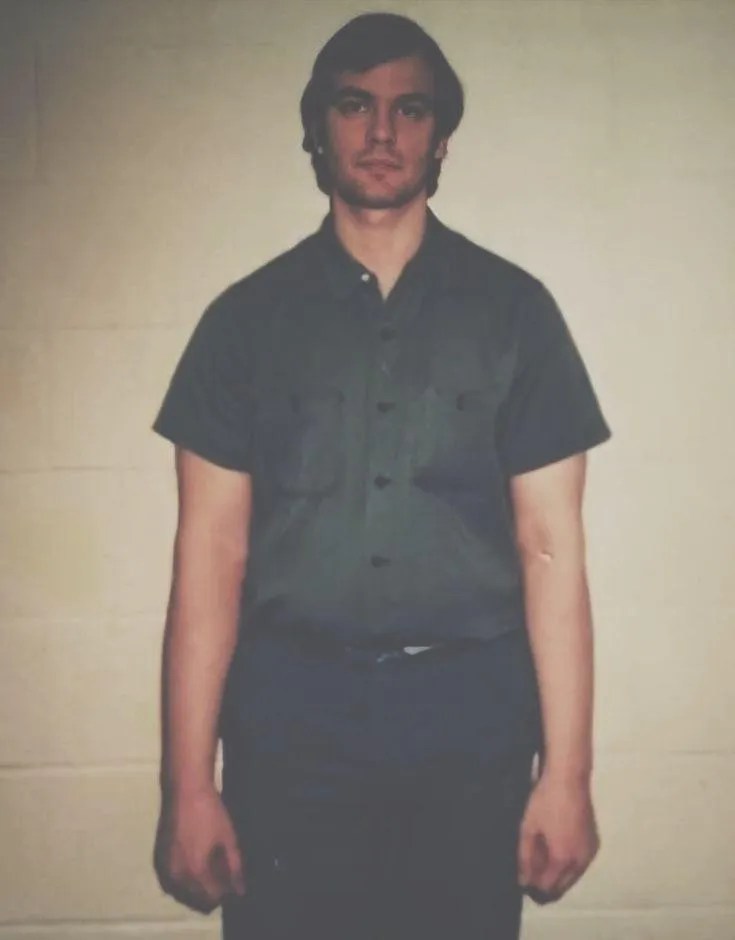
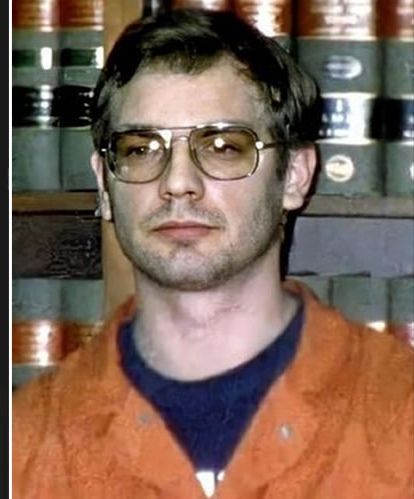
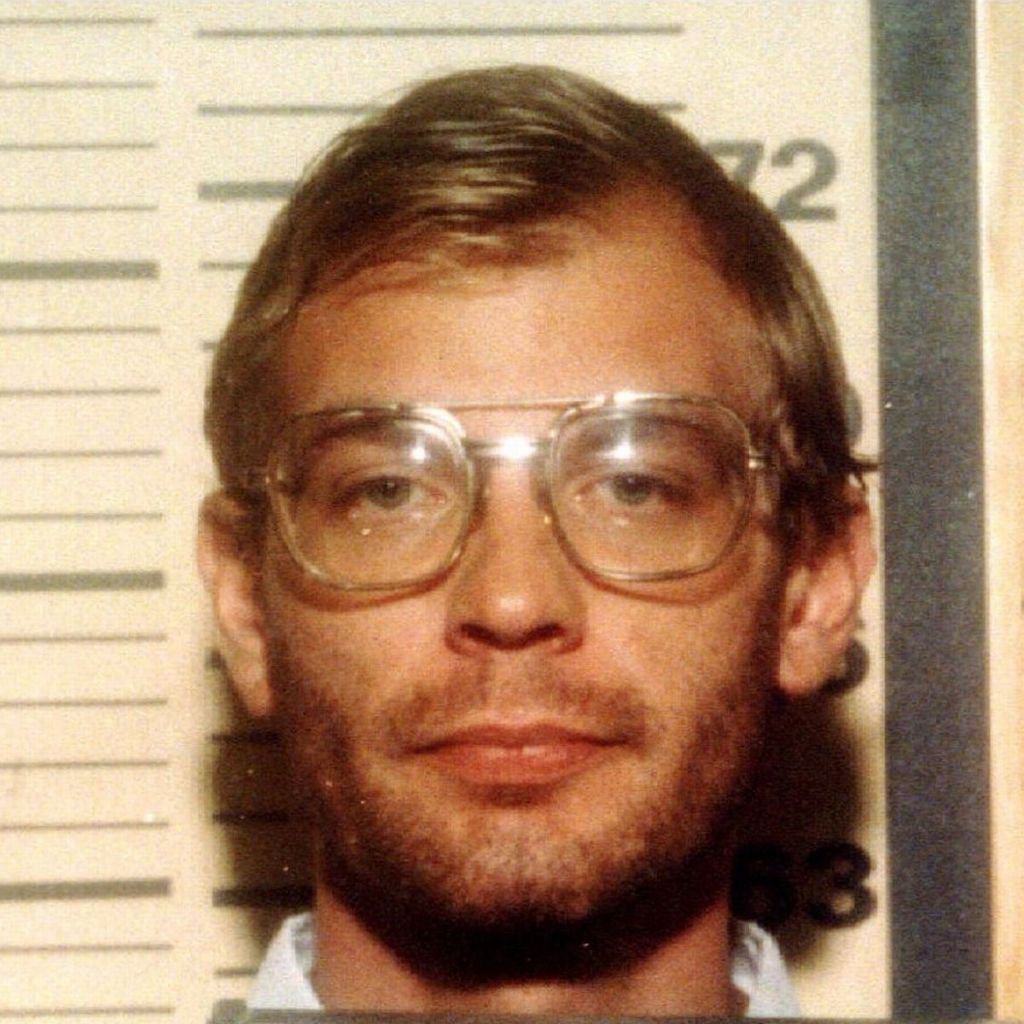
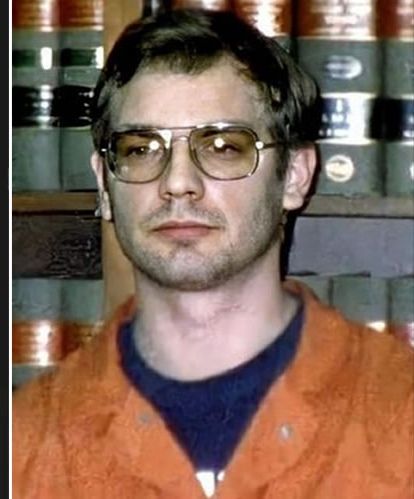
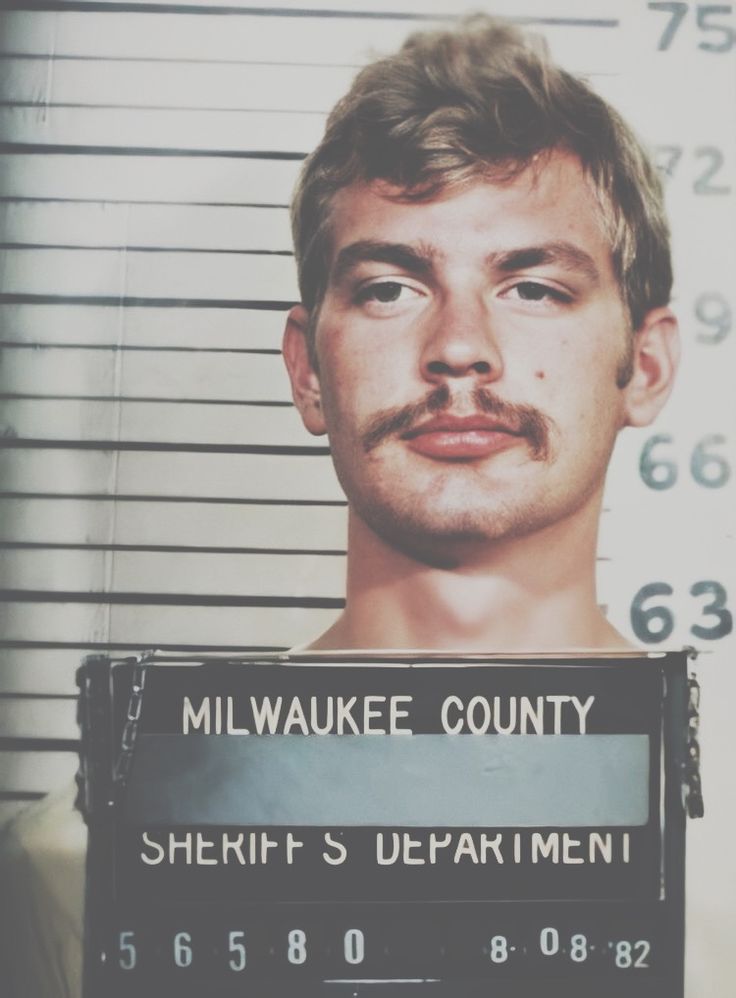
The phenomenon surrounding Jeffrey Dahmer is marked by a multifaceted intrigue that extends beyond his crimes, seeking to unravel the complexities of his life. Delving into his psychology, upbringing, and personal struggles, this perspective paints a more comprehensive portrait of the man behind the notorious acts. Dahmer’s outward appearance as a good-looking and friendly individual adds layers to the intrigue, challenging the conventional perception of criminals. Many people feel drawn to his story precisely because he was different from other serial killers.

Humanization Amidst Unthinkable Actions: Embracing the Dualities of Humanity

One striking aspect of the sympathy directed towards Jeffrey Dahmer is the endeavor to humanize a figure often vilified as a monster. His good looks and friendly demeanor contribute to this perspective, illustrating the duality of human nature. Recognizing that even individuals who commit heinous acts can possess relatable qualities, this approach stimulates discussions about mental health, upbringing, and societal influences. By humanizing Dahmer, we initiate conversations that transcend the surface and delve into the intricacies of the human experience. The fact that many feel sorry for him due to his differences from other serial killers underlines the complexity of human emotions.

Exploring Motives and Fostering Prevention Through Understanding

The curiosity about Dahmer’s motives lies at the heart of the sympathy directed towards him. The desire to comprehend the “why” behind his actions prompts a deep exploration into the psychological and environmental factors that played a role. Additionally, his role in assisting authorities to solve the murders demonstrates a level of complexity that challenges preconceived notions. This perspective goes beyond mere curiosity; it serves as a preventive tool. By understanding warning signs, risk factors, and potential interventions, society can address underlying causes and work towards preventing similar cases. The complexity of Dahmer’s experiences opens doors for discussions about rehabilitation and reintegration into society.
The intricate fascination with Jeffrey Dahmer underscores the need to navigate a delicate balance between empathy and accountability. While highlighting his appearance, demeanor, and cooperation with authorities, it’s crucial to remember that empathy does not imply approval of his actions. This perspective demands sensitivity, ensuring that discussions remain respectful of the victims and their families. By engaging in dialogues that encompass the depths of human behavior and societal influences, we pave the way for a deeper understanding of complex individuals while striving for a safer society. The empathy towards Dahmer due to his differences from other serial killers serves as a reminder of the complexity of human emotions and perspectives.

Understanding Those Who Feel Compassion for Jeffrey Dahmer

Empathy, the ability to share and comprehend the feelings of others, takes on a perplexing dimension when some individuals express compassion for Jeffrey. These individuals, often characterized by hypersensitivity and deep empathy, extend their understanding even to those who have committed grave and heinous crimes. This phenomenon highlights the intriguing interplay between empathy and the complexities of human behavior. For those who feel sorry for Dahmer, their empathy goes beyond conventional boundaries, allowing them to explore the intricate factors that contributed to his actions. Such individuals possess a vivid empathetic imagination, enabling them to envision the potential influences that shaped his life trajectory.

By delving into the circumstances surrounding Jeffrey’s life, these empathetic individuals shed light on the fine line between understanding and moral judgment. Their unique perspective calls attention to the nuances of empathy, inviting us to question the extent to which we can empathize with even the darkest aspects of human nature.

In essence, the empathy paradox surrounding Jeffrey Dahmer serves as a reminder that the human capacity for compassion is both intricate and multifaceted. It prompts us to consider how empathy, combined with an imaginative perspective, can challenge our perceptions of crime, justice, and the inherent complexities of the human experience.

Jeffrey Dahmer – Beyond surface assumptions…


In the intricate narrative of Jeffrey Dahmer’s actions, a diverse spectrum of victims emerges, reflecting a broad array of backgrounds that transcend racial and ethnic boundaries. Upon closer scrutiny, this mosaic encompasses individuals from African American, Asian, Caucasian, and varied backgrounds, revealing a surprising absence of any definitive racial pattern. This provokes a deeper inquiry into whether Dahmer’s crimes were indeed driven by racial motivations.

At the heart of this complex narrative is the vulnerability of his victims. Many were grappling with their own formidable challenges – battling addiction, wrestling with homelessness, and enduring personal struggles that impart a deeper complexity to Dahmer’s motives. Rather than subscribing to a rigid racial agenda, his actions seem more aligned with a sinister proclivity to exploit pre-existing vulnerabilities.

Amidst the examination of Dahmer’s actions, it’s crucial to also recognize an often overlooked aspect of the story: his own victimhood. Delving into the depths of his psyche, it becomes evident that he, too, was ensnared by his own compulsions, a chilling reality that often remains overshadowed.

Within this narrative, it’s essential to acknowledge that Jeffrey Dahmer had a family – a voice that often remains unheard amid the tumultuous conversations surrounding his crimes. This recognition offers a perspective that broadens the lens through which we view the narrative, urging us to consider the ripple effects of his actions on those he left behind.

As we navigate this intricate tale, it becomes apparent that a multi-faceted exploration is essential. By delving beyond the surface, we uncover a narrative that defies easy explanation. In considering the lack of racial motives, Dahmer’s own struggles, and the voices of his family, we grasp the profound complexities that underlie his actions, reminding us that understanding such narratives requires a holistic and empathetic perspective.

Vital importance of violence prevention

In our contemporary society, violence prevention has emerged as a matter of paramount significance. Against a backdrop of heightened awareness surrounding mental health and overall well-being, it becomes imperative to adopt effective measures to avert potential acts of violence. While resources abound for individuals grappling with suicidal ideation, an evident disparity persists in the realm of online assistance for those contending with thoughts of violence. This gaping void in support stands as a critical security loophole that necessitates immediate rectification.

A striking illustration of this issue materializes when we examine a simple online query, such as “I have thoughts of suicide.” In response, a prominent search result instantaneously presents a lifeline contact and references to counseling centers poised to offer guidance to individuals mired in suicidal crises. This rapid reaction and immediate assistance play an instrumental role in safeguarding the lives of vulnerable individuals and furnishing them with the requisite aid during periods of acute distress. Conversely, a search inquiry for “I have thoughts of committing violence” exposes a palpable inconsistency in online support. Critical resources and institutions designed to offer assistance to individuals harboring violent inclinations are conspicuously absent. This shortfall in aid potentially results in individuals wrestling with aggressive thoughts failing to secure the necessary support, potentially leaving them ensnared in perilous situations.

A telling case study that underscores the ramifications of such a support gap is the instance of Jeffrey Dahmer. His notoriety as a serial killer and necrophile reveals a haunting narrative of a troubled individual who, despite exhibiting early warning signs of violence, did not receive timely intervention. The absence of accessible online resources akin to those readily available for individuals with suicidal thoughts further emphasizes the urgent need for a balanced approach to violence prevention.

Remedying this security vulnerability demands a concerted collaborative effort encompassing society, technology enterprises, and mental health professionals. Much like the protocols established for suicide prevention, a commensurate framework should be devised for violence prevention, including the development of online repositories, establishment of helplines, and provision of counseling services to guide individuals with inclinations toward violence onto constructive trajectories of change.

The need of the hour is to heighten societal awareness of this multifaceted challenge and actively advocate for equitable support catering to both individuals with suicidal and violent thoughts. By comprehensively addressing this lacuna in online assistance, we can contribute substantively to cultivating a secure, nurturing environment for all strata of society. Violence prevention is unequivocally a collective responsibility—a concerted endeavor to ensure the well-being and security of all individuals.

Unmasking Jeffrey Dahmer: Unraveling the Enigma of Sympathy

Within the chilling annals of criminal history, one name elicits an intriguing blend of repulsion and compassion: Jeffrey Dahmer. The grim atrocities he committed are undeniable, yet a spectrum of perspectives emerges when one delves deeper into his psyche. Beneath the surface of a remorseless serial killer lies a complex individual whose story challenges conventional perceptions.

Jeffrey Dahmer’s case evokes a peculiar sympathy, stemming from an attempt to understand the man obscured by monstrous actions. This perspective delves into the layers of his life, seeking to unearth the motivations that propelled him down such a dark path. It is an exploration of the blurred lines between perpetrator and victim.Dahmer’s portrayal is not confined to a single mold; psychiatrists have distanced him from the typical archetype of a sadistic serial killer. Their analysis highlights his struggle against compulsions and his futile attempts to suppress them. This differentiation paints a portrait of inner turmoil, adding shades of complexity to his narrative.The willingness with which Dahmer cooperated with law enforcement sets him apart from his peers in the criminal underworld. His immediate confession and apparent relief that his spree had ended offer glimpses into a psyche torn between remorse and compulsion. This aspect introduces an element of humanity that forces us to reevaluate his character.

Contrary to the image of a sadist, some argue that Dahmer’s actions were driven by a unique and agonizing set of paraphilias. This perspective humanizes him by accentuating his internal struggles and his battle with demons that were beyond his control. It underscores the need to acknowledge the humanity within individuals like Dahmer and prompts a contemplation of society’s role in providing an avenue for confession before compulsion culminates in atrocity.

The tale of Jeffrey Dahmer serves as a somber reminder of the importance of creating mechanisms to address those grappling with their darkest inclinations. His story underscores the urgency of offering spaces where individuals can confess their struggles without fear of judgment, and society’s responsibility to extend empathy and support.

In summation, the enigmatic persona of Jeffrey Dahmer invites us to challenge our preconceptions and explore the intricate web of human behavior. While his crimes remain indefensible, peering beyond the surface unveils a tapestry of motivations and struggles that shaped his life. By understanding and empathizing with the complexities of his narrative, we lay the groundwork for a more compassionate and vigilant society!

divided and conquered

people need to realize that there’s a good reason why some of us are born with more cognitive empathy than affective empathy. having a lack of affective empathy is not synonymous with lacking a moral compass.

if everyone were squeamish around blood and horrified at the idea of cutting into another human’s flesh, no one would ever want to be a surgeon. and people would just suffer and die as a result of never being operated on. we NEED people who are emotionally detached enough to cut someone open, but compassionate enough to want to save their life by performing the necessary procedure.

unfortunately, i think jeff dahmer is a perfect example of this type of person who went down a bad road. someone who could’ve been an excellent surgeon, forensic pathologist, or mortician, had he been raised with the extra attention that his specific mind needed. not a sociopath, not a psychopath — he didn’t meet the criteria for either of these, and it’s well-documented that he DID exhibit empathy for animals in particular — but just born with that same type of natural detachment that so many allistics don’t experience. it’s an emotional detachment with a moral compass underneath. they are separate entities. it just went wildly wrong in his case, and his morality ended up getting eclipsed by his mental illnesses and paraphilias.

the same drive that made him want to dissect roadkill is what makes me want to research HIM. a laser-focused curiosity about the dark and mysterious parts of life. like i’ve said so many times, i don’t think we’re all that different at the core of our being. when it comes to this aspect of the two of us, it’s all in the upbringing. i was raised well and paid attention to, and i became a well-adjusted person who uses his clinical outlook on things to gather knowledge that he might use to help others. jeff was neglected, never attended to on an emotional level or taught how to manage his feelings, and that contributed largely to what he became as an adult.

of course, he also had paraphilic disorders that i thankfully don’t have, and that’s another part of it for him too. but that part of him was left alone to fester and grow like noxious weeds inside of him, wild and uncontrolled. he never understood where it came from, but always wanted to, and he tragically died without the answers he sought. and when combined with that surgically-inclined mind he was born with, it was easy for it to just eat up all the space in his mind that was devoid of affective empathy.

the ability to use cognitive empathy is innate — you either have it or you don’t. and i thoroughly believe jeff had it. but it has to be trained, especially without a consistent expression of affective empathy there to bolster it. it has to be cultivated and strengthened by outside influence. jeff didn’t get this. i got it because i was paid attention to. that’s a huge part of what makes us different. but our baselines at birth were probably highly similar in that way.

i really don’t think it’s that uncommon to be like this, either; it’s just terribly misunderstood. there’s a reason why so many of us relate to jeff when we can’t relate to any other serial killer — because there’s a deep intuitive knowledge there that he was DIFFERENT. and no, i don’t think it’s all about him being a “master manipulator.” this is going to sound weird or even contradictory in a way, but i think his manipulation tactics during his crime spree worked so well because he had a genuinely good and kind side to him. it’s just that the addicted part of him put that toward the forefront in order to reach satisfaction. in a way, it’s like he used himself.

he really did embody his gemini sun sign to an uncanny degree. it’s almost like there were two jeffs — the one who was conflict-averse, loved animals, and didn’t want to cause anyone pain, and the bestial one who would stop at nothing to satisfy his desires. these two were at war inside of him for years on end. and sadly, the “good” jeff lost the battle, and 17 men and boys paid the price with their lives as a result. but in the end, i don’t think the good jeff lost the war.

i really do think his remorse was genuine regardless of his ability to feel emotion upfront. acute emotion is a separate entity from morality — plenty of emotionally-driven people kill and torture each other in the heat of passion, while plenty of “detached” types use their calmness in the face of chaos to save lives. it’s just a shame that he was so internally fractured, with these drastically different personality traits so discrete and sequestered within himself, and this made him too weak to fight back against his relentless sexual urges.

jeff dahmer was a perpetrator of horrific acts, yes, and for that he must always be held accountable. but at the same time, he was a victim of himself. victim #18 in the end, bludgeoned to death as a final result of his own life choices. an absolute clusterfuck of a human being, but a full human being nonetheless.

he was not an evil man. he was divided and conquered inside, which caused him to make terrible decisions. and i think that’s something a lot of people don’t get about him.

Depeche Mode — I Am You

this song makes me think of jeff so much. it really does. it must have been what he felt when he desired for a person to become a permanent part of him.

I had to ask. “Jeff, why did you wear this guy’s face?”

Dahmer continued to smoke as he answered. “Pat, I already told you that I wanted to keep these guys with me. I didn’t want them to leave. I loved them. That’s why I killed them. That’s why I saved their body parts. That’s why I ate them—so they could become one with me. I thought if I could preserve this guy’s skin, I could wrap myself in him. His outer shell would surround me. I would actually be in him. We would be one.”

The room fell silent. Patrickus wrote in her notepad, and Murphy and I sat without a word, letting Dahmer’s heartfelt explanation sink in.

— Grilling Dahmer: The Interrogation Of “The Milwaukee Cannibal” by Patrick Kennedy, Robyn Maharaj

if only he’d expressed this in a healthier way, with the consent of the other person, then maybe it would have gone more like this song portrays. 💔 but i wonder if this is what he was longing for — a connection so irreversibly deep and profound, two souls blended together fully, to the point where he was them and they were him.

it’s sad to know he was never able to find this consensual arrangement with a partner, instead feeling like he had to completely dominate them in order to have anything at all that wasn’t just a fuck-and-dump. perhaps in the next life, he will be — or already is — healthier, and he can have this intensely deep and unbreakable bond with someone who feels the same way.

You have bound my heart with subtle chains
So much pleasure that it feels like pain
So entwined, now that we can’t shake free
I am you and you are me

No escaping from the mess we’re in
So much pleasure that it must be sin
I must live with this reality
I am yours eternally

There’s no turning back
We’re in this trap
No denying the facts, no, no, no
No excuses to give
I’m the one you’re with
We’ve no alternative, no, no, no

Dark obsession in the name of love
This addiction that we’re both part of
Leads us deeper into mystery
Keeps us craving endlessly

Strange compulsions that I can’t control
Pure possession of my heart and soul
I must live with this reality

I am you and you are me

There’s no turning back
We’re in this trap
No denying the facts, no, no, no
No excuses to give
I’m the one you’re with
We’ve no alternative, no, no, no

Speculation Emerges on Jeffrey Dahmer’s “Potential” Autism Spectrum Disorder: Insights into a Troubled Mind

Speculation Emerges on Jeffrey Dahmer’s Potential Autism Spectrum Disorder: Insights into a Troubled Mind

Introduction:
Jeffrey Dahmer, one of the most notorious serial killers in modern history, continues to captivate public interest due to the depths of his heinous crimes. As time passes, new perspectives and insights emerge regarding his psychological makeup. One such recent speculation revolves around the possibility that Dahmer, who operated during the 1980s and early 1990s, may have suffered from autism spectrum disorder (ASD). While the disorder was not widely diagnosed during his lifetime, the evolving understanding of ASD prompts us to reconsider his predisposition and its potential impact on his actions.

Emerging Speculation on ASD:
In recent years, speculation has surfaced regarding the possibility that Dahmer may have had undiagnosed ASD. Autism spectrum disorder is a neurodevelopmental condition characterized by difficulties in social interaction, communication, and repetitive behaviors. The disorder was not as widely understood or diagnosed during the time of Dahmer’s life, which makes retrospective analysis all the more challenging.

Predisposition to ASD in 2002 Study:
In 2002, a study conducted by Dr. Helen Morrison, a forensic psychiatrist, suggested that Dahmer exhibited traits consistent with ASD. The study aimed to explore potential links between specific personality disorders and serial killing. Dr. Morrison’s examination of Dahmer’s life, childhood, and psychological profile led her to propose that he may have met the criteria for an autism spectrum disorder diagnosis.

Analyzing Dahmer’s Behavior and Traits:
Supporters of the hypothesis point to several characteristics in Dahmer’s life that align with ASD tendencies. These include his social difficulties, recurring rituals, and limited emotional expression. Dahmer’s obsession with collecting and preserving body parts and his rigid adherence to specific routines also draw parallels with common ASD traits, albeit in a highly aberrant and extreme form.

The Complexity of Causation:
It is important to note that correlation does not equal causation, and the emerging speculation regarding Dahmer’s potential ASD should be treated with caution. While certain traits may suggest a predisposition, they cannot solely explain his violent and criminal actions. Numerous factors, including psychological, environmental, and sociocultural influences, contribute to the development of an individual’s psyche and behavior.

The Significance of Retrospective Analysis:
Speculating on the presence of ASD in a historical figure like Jeffrey Dahmer serves as a reminder of the evolving nature of psychological understanding. With advancements in diagnostic criteria and increased awareness surrounding ASD, experts can now reinterpret past cases through a different lens. Although it may never be definitively confirmed whether Dahmer had ASD, this exploration raises awareness about the complexities of mental health and the need for early intervention and support.


The speculation surrounding Jeffrey Dahmer’s potential autism spectrum disorder provides a fresh perspective on his troubled mind. While retrospective analysis remains an imperfect science, it prompts us to consider the multidimensional factors that contribute to criminal behavior. As our understanding of mental health deepens, this discussion serves as a reminder of the importance of early detection, diagnosis, and intervention for individuals on the autism spectrum. Ultimately, it underscores the need for continued research and compassion to prevent future tragedies and promote a better understanding of the human psyche.

Transforming through Beauty and Other Thoughts

I believe art can help souls; I started to produce portraits of Jeffrey with the intention of helping his soul transform and transcend through beauty and art, where Jeffrey can be put into a context where he can exist peacefully, where he can love and be loved, experience desire without hurt and, ultimately, be happy.

I do not use any AI Model trained to produce Jeffrey’s face, I do use Img2Img in some more classical and obvious forms of portraits but, for the most part, Jeffrey’s image appears through to my outputs in a supernatural fashion, where no photo of him is used, nor any reference to his name. I make use of Photoshop to correct some body features that do not come out well enough through my AI machine, however, his face is, very rarely, corrected or modified.

Untitled with Glasses (2023) – A spontaneous output, unmodified.

I do have a very deep connection with Jeffrey’s soul; I believe my mission is to help him, as he has been, to me, a guiding soul, since my childhood years. I believe his soul is Good and that he has repented in a deep and honest way, choosing to become Light.

It has been very hard for me, and for the community that supports this belief, to experience so much hatred and intolerance, in places that shout words of freedom, in a very selective way that does not give any space to real things in this world, like: forgiveness to those who really need it.

[I am currently without Instagram or any other platform, because our mission is unwelcome and my accounts keep being taken down.]

Stay blessed, everyone. Signing off,

Necro

The Potential Link Between Jeffrey Dahmer’s Surgery and His Disturbing Behavior/ DR JUDITH BECKER

Dr. Judith Becker/ Dahmer trial

In the case of Jeffrey Dahmer, Dr. Judith Becker, an expert in forensic psychiatry, has speculated about a potential connection between his childhood hernia surgery and his later behavior. Her statement raises questions about the influence of traumatic medical experiences on individuals, particularly in relation to Dahmer’s disturbing actions of cutting up bodies.

During the 1960s and 70s, it was not uncommon for babies & young children to undergo surgeries without adequate anesthesia. These experiences were often painful and traumatic, leaving a lasting impact on the psychological well-being of the individuals involved. That was compounded also by the fact that studies in the 1940s had incorrectly stated that babies and infants lacked the capability to feel pain, after they seemed to be unresponsive to pinpricks for example. This was later explained by a failure to correctly interpret infant body language.


Jeffrey Dahmer’s Surgery and potential coping mechanisms

Jeffrey Dahmer, as a child, underwent a hernia surgery. It is believed that this surgery, in the early 60s, may have been performed without sufficient anesthesia. Dr. Judith Becker has speculated that this traumatic experience could have influenced Jeffrey’s later behavior, particularly his inclination towards violence and the gruesome act of dismembering and cutting up bodies. After the operation, 4y.o. Jeffrey asked his parents if someone had cut off his penis. This inquiry raises the distressing possibility that he may have felt pain or confusion during the procedure, which could have influenced his subsequent behavior.

Dr. Judith Becker’s Statement

Dr. Becker about Jeff during an interview for a documentary

Dr. Becker ( expert witness during legal proceedings), presented her speculation regarding the potential connection between Jeff’s surgery and his subsequent behavior. Her statement suggests that traumatic medical experiences, such as Jeffrey’s surgery, can have profound psychological effects on individuals, potentially shaping their behavior in unsettling ways. The impact of traumatic experiences on individuals’ psychological development is a multifaceted issue. While traumatic events can contribute to the development of psychological conditions and maladaptive behaviors, it is important to consider other factors, such as genetic predisposition, environmental influences, and individual coping mechanisms, when examining the root causes of disturbing behavior.

Continued Research and Awareness

Dr. Becker’s speculation regarding Dahmer’s surgery and its potential influence on his behavior underscores the need for further research and understanding in the field of trauma. Investigating the relationship between childhood medical trauma and long-term psychological outcomes can provide valuable insights into the complexities of human development, aiding in the identification of interventions to mitigate the potential negative impacts.

The significance of the operation in the trial against Jeffrey Dahmer did NOT receive adequate attention and was not taken as seriously as it should have been. Despite the potential trauma and pain Jeffrey may have experienced during this surgery, the court proceedings focused primarily on his later disturbing actions.The case of this experience and his subsequent disturbing behavior highlights the significance of traumatic medical experiences in shaping an individual’s psychological well-being. While Dr. Becker’s statement offers a speculative perspective, it prompts us to consider the potential connections between traumatic events and aberrant behaviors.


BONUS

Dr Becker telling studends about Jeffrey Dahmers case and how she was involved 🙂

conflicted empathy for a conflicted man

so how does my empathy for jeff work, then?

i empathize with jeff as a human being. i don’t empathize with his decisions. this is why it’s so uniquely painful to read about all he’s done. but i don’t think i ever lose my empathy for him, even in his deepest depravity — and that’s a hard pill to swallow, even for me myself.

when i read about him jerking off in front of 12-year-olds in hopes that they would stare at him admiringly, or when i think about how he molested somsack, i feel disgusted and sickened and horrified. and angry with him, too. REALLY pissed off at him, in fact. when he does stuff to underage boys, that’s the closest i get to wanting to just destroy him — even more than the murders for some reason. we don’t know what happens after death, and most of what he did to his victims’ bodies happened postmortem. still awful, but at least there’s a little comfort in knowing they didn’t feel any of it. but the living victims especially have to deal with sustained trauma, and i think about how those developing brains get that trauma irreversibly woven into their psyches.

he selfishly exerted power and control over the powerless in so many ways. and it angers me when i think about it. it doesn’t matter how bad your fucking childhood was; you don’t take it out on innocents. doesn’t matter what age those innocents are, really — it’s wrong regardless — but there’s something especially infuriating about it when they’re so young and they have their whole lives ahead of them, and you choose to inflict scars on them that impact their brain development and therefore go even deeper in a way.

strangely, though, i don’t lose my affection for him as a whole person. it stretches the limits of my empathy to painful extremes, no doubt about that. but my love for him never goes away. and that in itself makes me feel guilty when i think about it in the context of his crimes, like i’m doing something wrong. but at the same time, i remember how much he regretted his actions — and call me naïve, but i truly think he did have remorse, though that’s another tangent — and so my first instinct is to wipe the emotional slate clean [as much as possible] and give him the chance in my mind to do the right thing from now on. that’s the type of person i’ve always been and probably always will be. i’ve always been quick to forgive as long as i think the person really meant it. and if they did, then i think it’s only fair to prioritize moving forward. and jeff seemed to be trending “better” toward the end, so i can probably safely assume that this was a genuine change of heart.

i don’t think i have that Fi “repulsion switch” that’s talked about in MBTI, where a single action or trait of a person — or even multiple traits at once — makes you hate everything about them. i don’t naturally view people as angels or demons, and i’ve really felt more pressure from outside to feel this way than anything else. we’re all just humans, all forced to exist in grey areas. it’s just that jeff’s lows were THE LOWEST you could go without being an outright sadistic POS.

but he lacked that bitter “sting” to his soul that sadists like john wayne gacy had. he had the darkness and the heaviness without the sting of truly enjoying what he was doing. deriving pleasure from an act isn’t the same as enjoying it on a character level, if that makes sense. you can get a physical rush from something and be disgusted at your own body’s reactions to it, asking yourself “ugh, why the fuck do i LIKE this?” that sort of agonizing rug-burn of the soul can really feel like a war inside of you. i’ve been there with alcohol and benzos, just exhausted by my body’s cravings for those things. physically enjoying the rush they gave me, but hating that it brought me pleasure when i knew it was fucking up my life.

i think there was probably at least some of that going on inside of jeff with his sex addiction and alcoholism. the way he leaned into the “evil” nature of the exorcist iii, using the yellow contact lenses to “get into character,” seems like a coping mechanism to me. like he figured he was just going to be evil no matter what, so he may as well go all-out and embrace it. the way he said he felt “so hopelessly evil and perverted” makes me think this. if you can’t beat it, join it, i suppose. he said that he didn’t like feeling evil, though. and i believe he really was trying to be better, considering how perfectionistic he was about christianity toward the end.

this is how i see him after considering his life as a whole. not separating him into child jeff and teen jeff and crime-spree jeff and prison jeff. when i consider the entirety of his life and look at the whole context, i see a person who struggled immensely with tons of horrific urges — WAY more than most of us would ever experience in a full lifespan, to say nothing of his 34 short years. and i do see someone who was ultimately too weak and self-centered to admit to himself that he couldn’t handle it all on his own, though at the same time i do think that most people would have trouble admitting even a fraction of all that shit out loud. still, though, when push comes to shove, ANYTHING is better than murder, and he still chose murder [and all kinds of other awful things]. but i do see why he, as a human being who had really never been fully listened to or taught that it was okay to trust others enough to let them help him, would be reluctant to say anything to anyone. his own actions trapped him at every turn, and there are no do-overs when death is involved.

it’s just a huge mess. JEFF was a huge mess. but i see his struggles, and i can’t help but feel for him overall. no matter what point he was at in his life, he was still the same person by definition. and i love that person. i love him for making years of effort to battle the horrible desires and fantasies that “filled his thoughts all day long.” i love him for sincerely repenting and dedicating whatever time and effort he had left toward being a better person. i love him for the soul he was deep down, that soul that was buried under all the sickness and the domino effect of terrible decisions. that soul that had to fight himself all on his own, more or less. no one gets an instruction manual for how to live as the person they are, and if anyone would’ve needed one, it’d have been jeff. in many ways, he lived life on an extreme difficulty setting, at least internally. and try as we might, no one except jeff dahmer will ever know how hard it really was to be jeff dahmer. and he’s certainly not around anymore to tell us.

i know that his sincerity is contested, but i’m the type of person who gives the benefit of the doubt, i guess. thinking this way gives me something to live for. and even though it’s still important to have boundaries so you don’t self-destruct or get taken advantage of, you can still love and forgive someone from a distance. and that’s how i approach jeff. i would never actually want to be in a relationship with him or anything, if that were possible — he wasn’t capable of a healthy relationship by any means, and that was the root of his whole problem! but i can care about him as much as i want from thousands of miles and several decades away.

and if it turns out i’m wrong and he really was just a total piece of shit who’s duped me into seeing him as human, fuck it. i’ve lost NOTHING by emphasizing the potential for a good outcome in this highly-complicated situation where we’ll never truly know either way. honestly, if i wasn’t optimistic, i’d have killed myself a long time ago because there wouldn’t be any point in battling my depression. i don’t want to be here if i can’t enjoy life, if i can’t see the good in people and situations wherever i find it. so if nothing else, i’ve at least fulfilled MY purpose here by erring on the side of positivity when even the clearest explanation still seems ambiguous.


original digital art by me

[ • dahmers-ashes • ]