Origin of the Anonymous and Mysterious Leaked Photograph

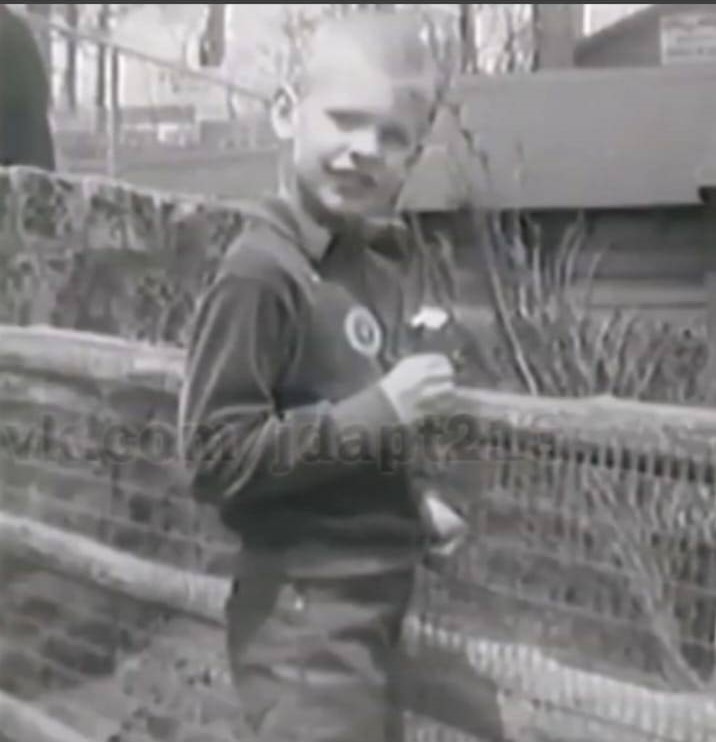
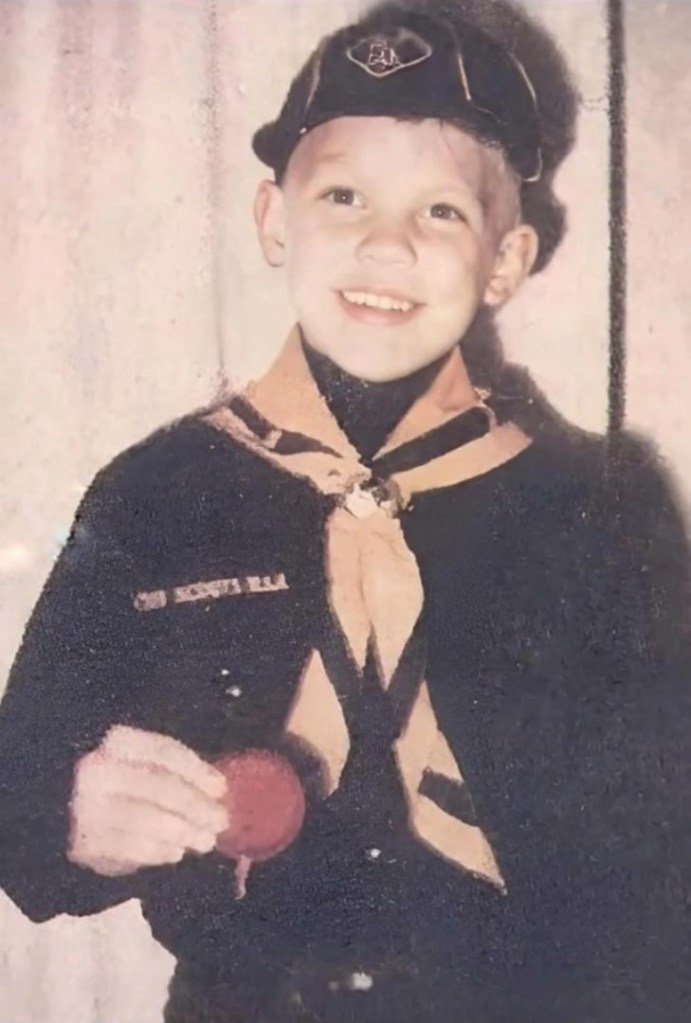
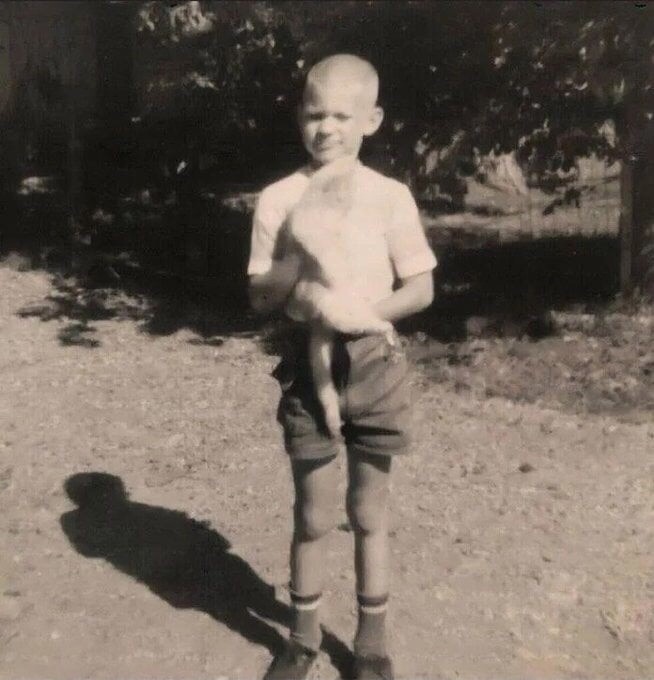
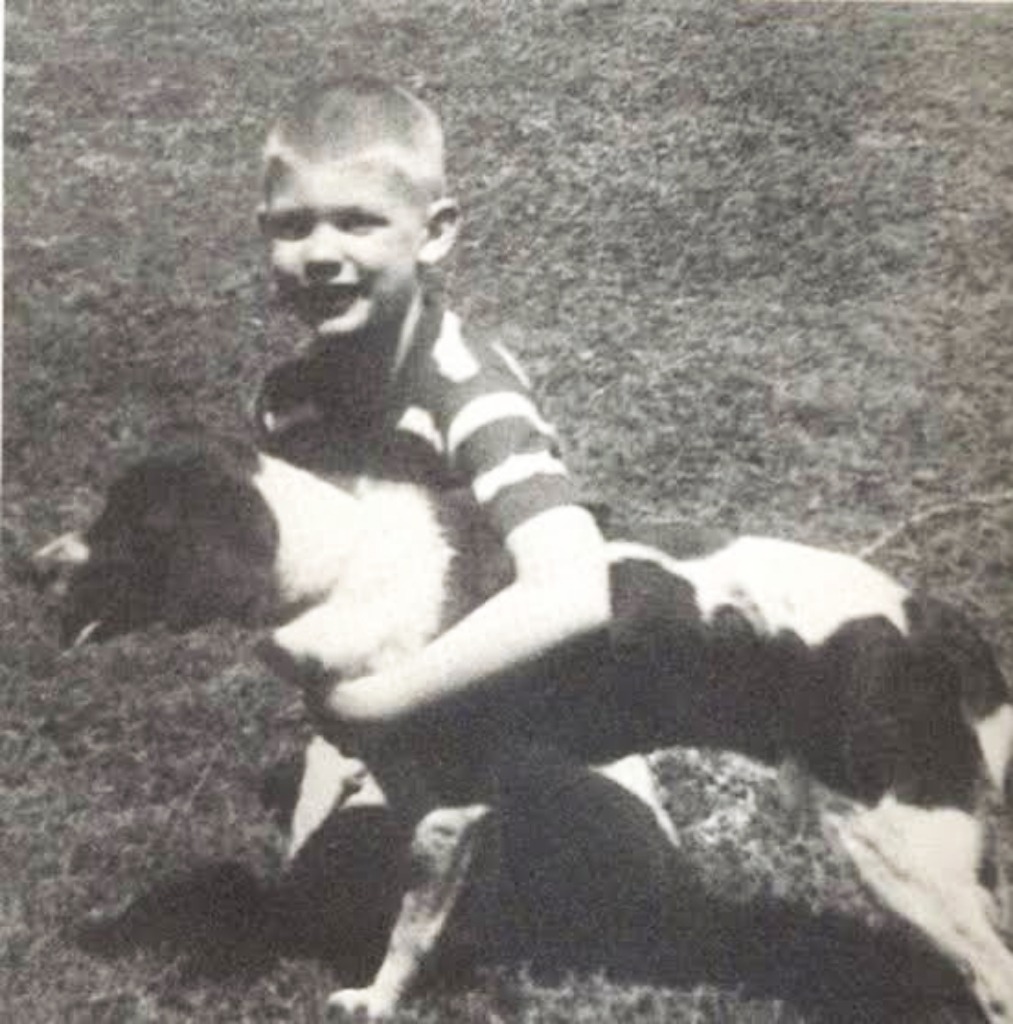
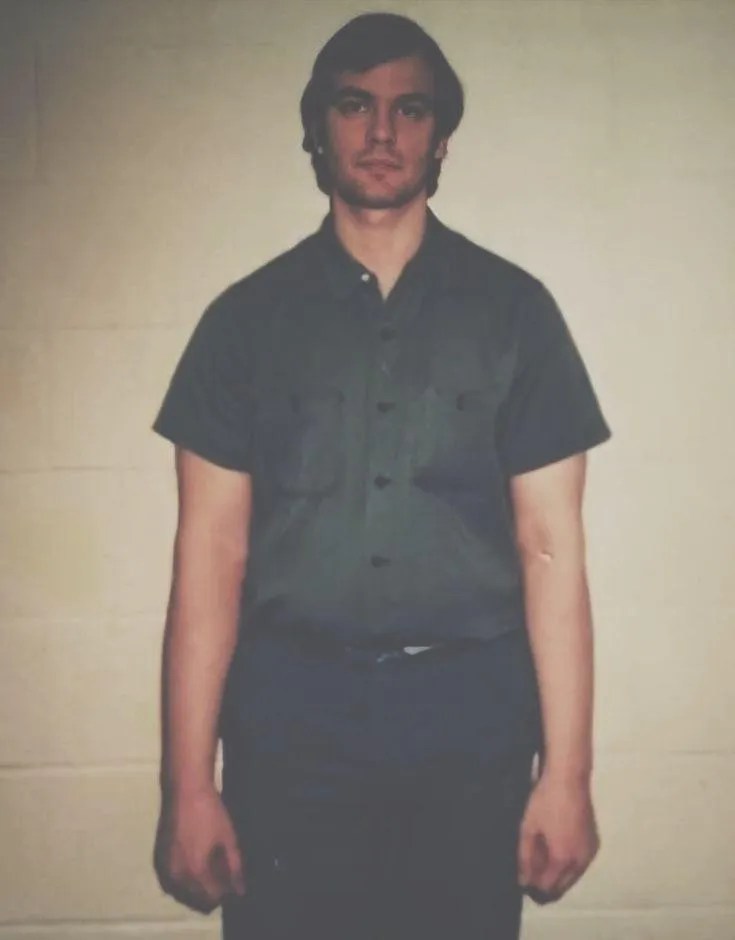
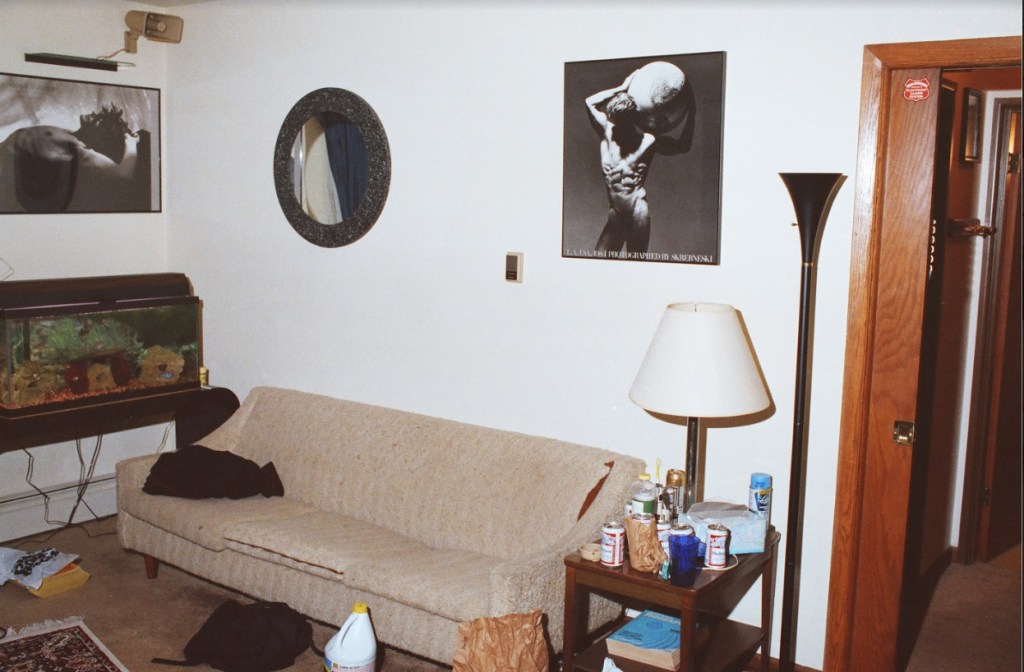
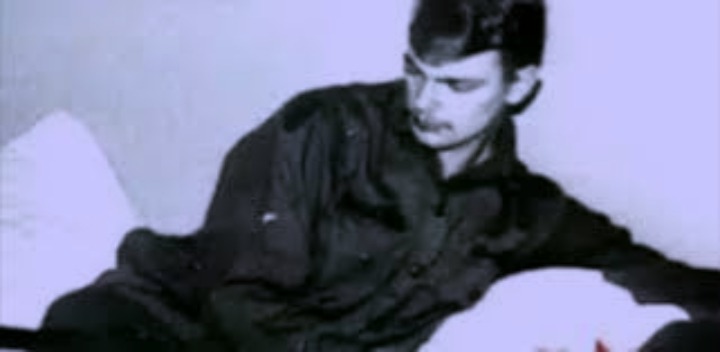
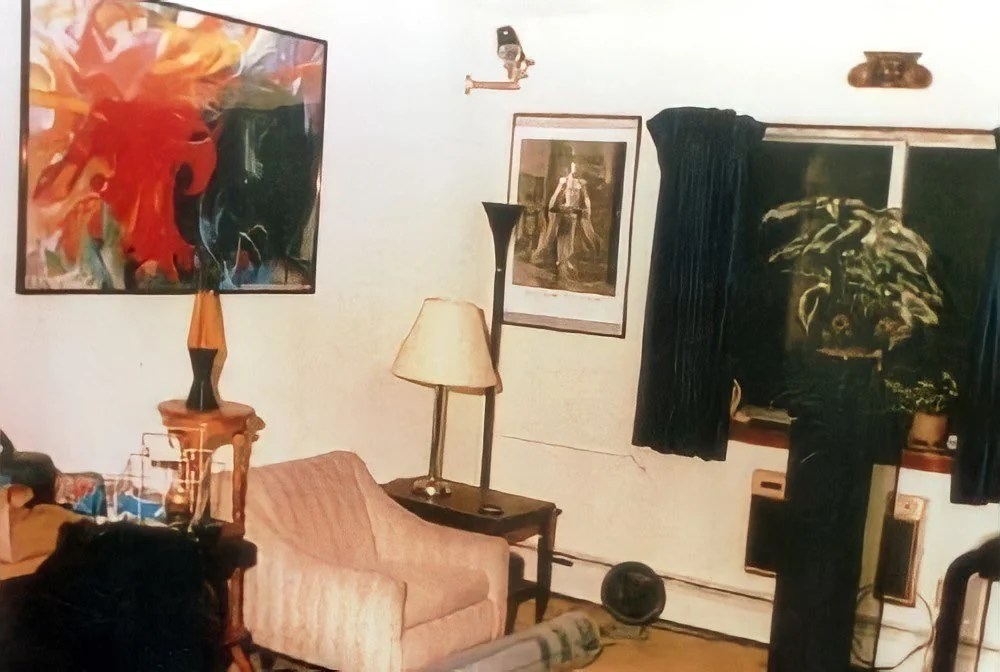
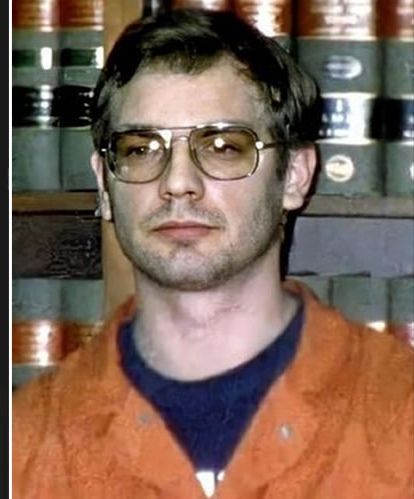
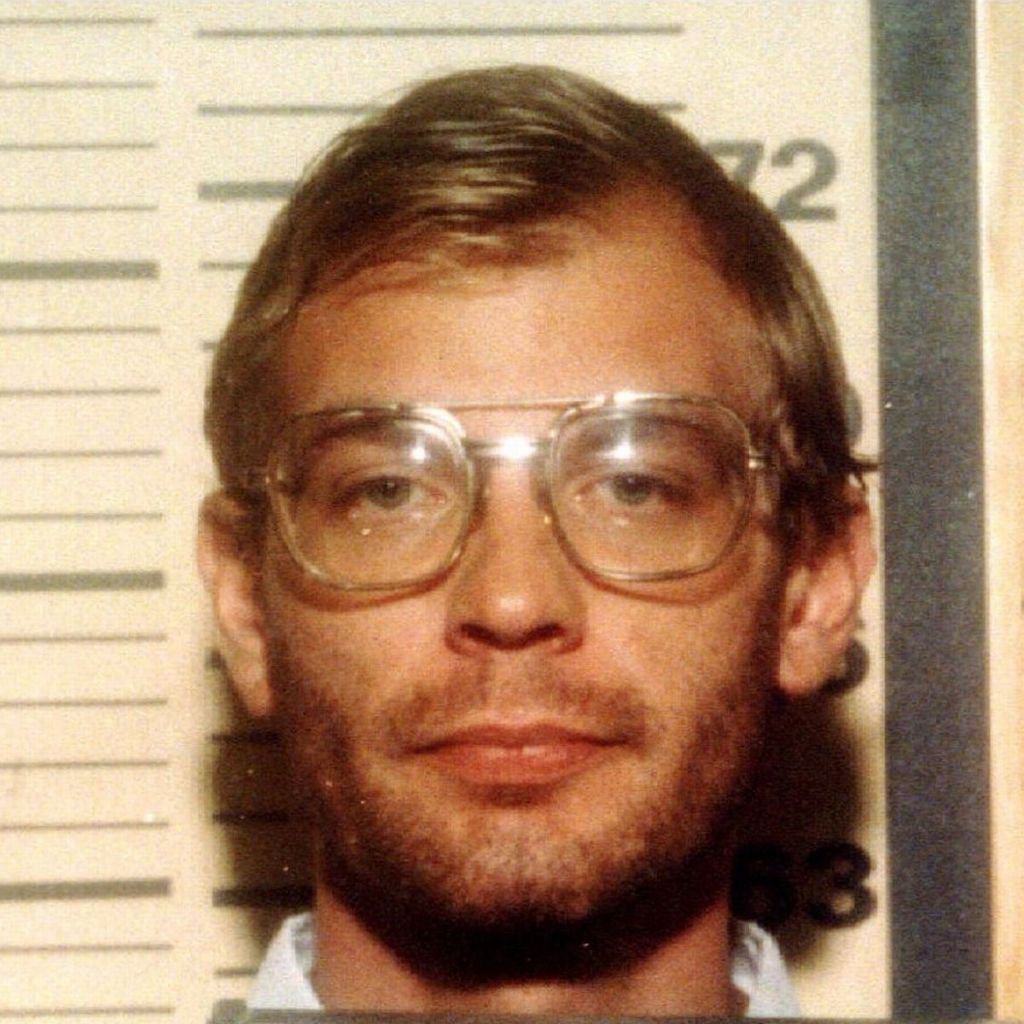
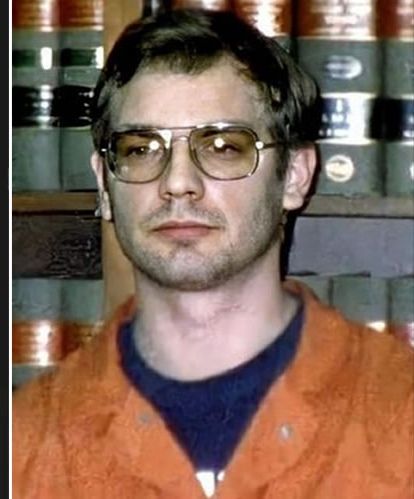
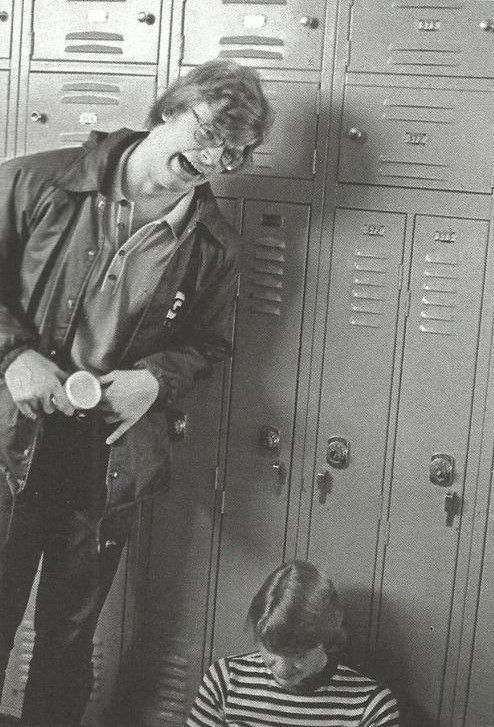
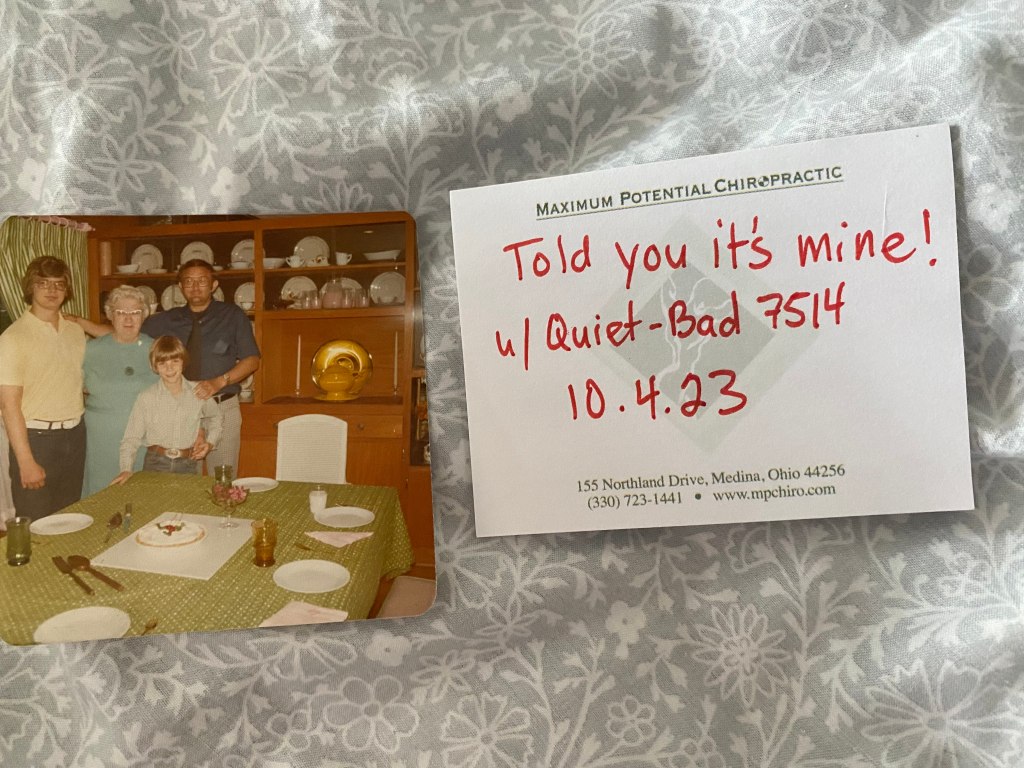
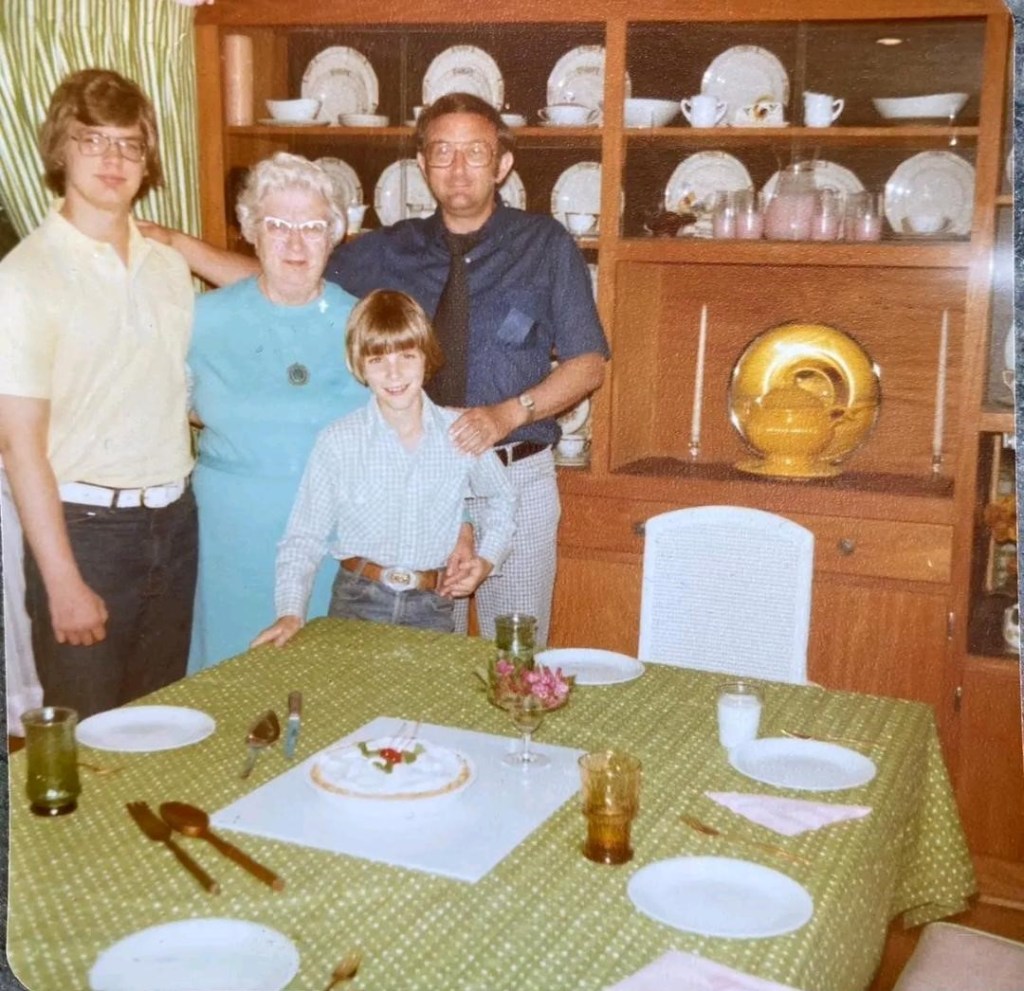
After the leaking of a previously unknown photo of Jeffrey Dahmer, the Jeffrey Dahmer Memorial was contacted by the legitimate owner of the photograph, so that we could help preserve its real origins. For obvious reasons, this person wishes to stay anonymous, however, the message is clear:

This photo was not leaked by David or any other member of the Dahmer family” – they said. – “It is part of a private collection and it was leaked without consent.

Anonymous
Proof photograph, taken on the 4th of October 2023

Those who leaked this photograph, did it with the intention of taking credit for the find or with the intent to create doubt and confusion. There is no hidden free publicity.

Leaked photograph of Anonymous’ private collection

The Jeffrey Dahmer Memorial wants to help preserve everything related to Jeffrey and his family and we are glad to be able to help clarify the origin of this photograph.

Fearful avoidant attachment style (Disorganized attachment)


Let’s talk about attachment styles! In learning more about myself, I also started to see links with Jeff and a certain attachment style. I am gonna try to explain why I feel the disorganized attachment style can apply to Jeff’s way of looking at relationships.

First, let’s explain better what this certain attachment style is.
Disorganized/disoriented attachment, also referred to as fearful-avoidant attachment, comes from an intense fear, often as a result of childhood trauma, neglect, or abuse. Adults with this style of insecure attachment tend to feel they don’t deserve love or closeness in a relationship.

Fearful-avoidant attachment is often caused by childhood in which at least one parent or caregiver exhibits frightening behavior. This frightening behavior can range from overt abuse to more subtle signs of anxiety or uncertainty, but the result is the same. When the child approaches the parent for comfort, the parent is unable to provide it. Because the caregiver does not offer a secure base and may function as a source of distress for the child, the child’s impulse will be to start to approach the caregiver for comfort but will then withdraw.
People who carry this fearful-avoidant attachment into adulthood will exhibit the same impulse to approach and then withdraw in their interpersonal relationships with friends, spouses, partners, colleagues, and children.

But there are more reasons why someone can develop an fearful avoidant attachment style and it’s not hard to spot the reasons that can be relevant in Jeff’s case:

→ The caregiver experienced depression caused by isolation, lack of social support, or hormonal problems, for example, forcing them to withdraw from the caregiving role.
→ The primary caregiver’s addiction to alcohol or other drugs reduced their ability to accurately interpret or respond to the child’s physical or emotional needs.
→ Traumatic experiences, such as a serious illness or accident which interrupted the attachment process.
→ Physical neglect, such as poor nutrition, insufficient exercise, or neglect of medical issues.
→ Emotional neglect or abuse. For example, the caregiver paid little attention to the child, made scant effort to understand their feelings, or engaged in verbal abuse.
→ Physical or sexual abuse, whether physical injury or violation.
→ Separation from the primary caregiver due to illness, death, divorce, or adoption.
→ Inconsistency in the primary caregiver. The person experienced a succession of nannies or staff at daycare centers, for example.
→ Frequent moves or placements. For example, constantly changing environments due to spending the early years in orphanages or moving between (foster) homes.

Now stop here for a second. We know Joyce had trouble being there for Jeff emotionally ever since he was a baby. She was dealing with PPD after Jeff was born and didn’t emotionally connect with baby Jeff. It is very important for infants to feel safe and have this connection. According to the book Serial Killers: the method and madness of monsters, the most common factor attributed to serial killers is the likely absence of infant bonding. “An infant that is denied human touch and affection develops a sense of only itself – it becomes completely oblivious to others. This is necessary for the infant to survive but can become a destructive trait in adulthood.”

During his childhood, Jeff’s home environment wasn’t a really safe one. Lionel and Joyce fought a lot. Joyce wasn’t there emotionally and Lionel was gone a lot for work and his own education. Joyce was dealing with her own mental health. She admits in her chapters in The Silent Victims that she wasn’t ready to be a mom and made mistakes. She writes, “I now realize how damaging the constant arguments, anger and physical confrontations were on the boys, especially Jeff. Although I was rarely angry with Jeff, he was constantly subjected to a barrage of fury and anger directed toward Lionel and he toward me. It must have been extremely frightening and paralyzing to him, it surely drove him off to spend more time alone, drove him further into himself.”. Joyce also got admitted into a mental facility for her mental health when Jeff was 15. This too can be a traumatic experience for Jeff and he lost his mother figure for some time.

We also shouldn’t forget the hernia operation that I feel was a critical turning point in a young Jeff’s life. This really made an impact on him mentally and he really felt violated (the beginning of his splanchnophilia). We can assume both his parents didn’t offer enough comfort before and after surgery to make the child feel safe again. And we also know that in the first 8 years of his life, Jeff moved around a lot. That can cause the feeling of unsafety and insecurity too.

People with fearful avoidant attachment want to form strong interpersonal bonds but also want to protect themselves from rejection. This leads them to seek out relationships but avoid true commitment or to leave as soon as a relationship gets too intimate. Fearful-avoidant attachment is often considered the worst in terms of potential negative outcomes. For example, multiple studies have shown that there is an association between fearful-avoidant attachment and depression.
Research found that it’s the negative view of the self and the self-criticism that accompanies fearful-avoidant attachment that leaves those with this attachment style vulnerable to depression, social anxiety, and negative emotions, in general.
Meanwhile, another study found that, in comparison to other attachment styles, fearful-avoidant attachment is predictive of more sexual partners in one’s lifetime and a greater tendency to consent to sex even when it’s unwanted.

Jeff never really tried to form a real romantic relationship. He probably didn’t even know what it meant. But reading this, you can see similarities in Jeff’s way of thinking. Jeff had serious abandonment issues. If it was real or imaginary, it doesn’t matter. It felt very real to Jeff. So real that in order to avoid being rejected or alone again, he started killing his victims so they never had the chance to leave him.
He also admitted to having sex with a lot with strangers. He didn’t kill every guy he had sex with. But he never learned how to emotionally connect with people. His personality disorders also played a factor in this but it is safe to say it all started in childhood. His teacher in first grade told Lionel that Jeff impressed her as being inordinately shy and reclusive. She told Lionel that he had not been able to engage in conversation with other children. He had not responded to their casual approaches, nor made any approaches of his own. On the playground, he’d kept to himself, merely pacing about the schoolyard, doing what she described as “nothing”.

A person with a fearful avoidant attachment style may crave closeness and reassurance from their partner, fearing that they will abandon them. In another instance, they may begin to feel trapped or afraid of how close they are with their partner and attempt to distance themselves.

A person with a fearful avoidant attachment style may display some of the following characteristics:
→ find it difficult to open up to others and discuss their feelings
→ have difficulty trusting others
→ have a negative view of others
→ have a negative view of themselves
→ have difficulty regulating their emotions
→ dissociation
→ lack healthy coping strategies for stress
→ withdraw in times of intimacy and closeness

But back to adult Jeff and his view of (romantic) relationships. Apparently people with a fearful-avoidant attachment style also have associations with symptoms of borderline personality disorder. Which is one of the personality disorders Jeff has been officially diagnosed with. A person with a fearful-avoidant attachment style is often at an increased risk for behavioral addictions and/or compulsive behaviors surrounding sex. Some theories suggest that persons with a fearful-avoidant attachment style may use sex or have higher rates of sexual partners as a way of trying to get their core needs met for connection and belonging that typically went unmet in childhood.

Jeff his compulsive behaviors surrounding sex were a little extreme in comparison to what the people in the article mean but it was still a compulsion to find the best looking guy to have sex with. To have complete control over them. To make sure they never could leave. In the bathhouses were Jeff started drugging his victims he admits in a interview Dr. Frederik Fosdal that he had sex with 200 different men. He said “You don’t develop a lasting friendship there.” and that he was not routinely rejected or disappointed. Jeff said that there were very shallow relationships amongst each other in the bath houses.
In the Psych Reports we can also read in the interview notes of Dr. Fosdal that he didn’t believe Jeff tried hard enough to find a compatible partner and that Jeff got abandoned over and over again with his heart broken so that he had to do what he ended up doing.

Dr Fosdal said “I’m not impressed – that you started so many relationships and that you were abandoned and jilted and had your heart broken time and time again and finally you resort to what you did.”
Jeff: “No I didn’t — no.”
Fosdal: “I would assume that there are a lot of people out there that would have liked to have an ongoing relationship. It’s just a matter of finding each other.
Jeff: “Uh-huh, no I didn’t. I guess I didn’t look hard enough.” 

It seems Dr Fosdal forgets that Jeff needed more than what a partner mostly likely is willing to give but it can also be why Jeff never tried to look for a real steady relationship is because he felt like he didn’t deserve one or the fear of being abandoned and ending up alone again is what kept him from it. It’s easier to have shallow relationships that only revolve around sex. His fearful avoidant attachment style could have played a role in this.

One more snippet of the interview:
Fosdal: “In talking about your personality style you are a kind of stand-offish kind of guy in general with people. There is no reason why you should be extremely warm and honest and get real close to a gay man.”
Jeff: “Yes, that was my mindset. I was never one that was really interested in getting involved with a big group of people or anything – even from my earliest childhood.”
Fosdal: “Where you lonely? Did you miss people – were you missing something?”
Jeff: “During high school it was frustrating to not be able to meet someone of my interests so it was frustrating – yeah it was lonely.”
Fosdal: “Like in Milwaukee – are you lonely?”
Jeff: “Uh huh”
Fosdal: “You felt lonely – being lonely and being by yourself – kind of sad – Some people don’t mind it.”
Jeff: “I can take it to a point, but not years and years.”
Fosdal: “See, maybe had you been a little more susceptible to form a relationship with some other guys – maybe none of this might have happened.”
Jeff: “And if I didn’t have such a desire for total control and domination – right – if I wasn’t so selfish. I have to admit what I was doing was the ultimate in selfishness.”

I must admit Dr Fosdal seems a bit naive. He made it sound like a boyfriend would have fixed Jeff when we all know that wasn’t so easy. Jeff’s issues went far deeper than that. But I wanted to share this part because Jeff admits to being lonely and it seems he wanted to connect with people. Not big groups but maybe one person. Someone special that he could share his interests with. But his fear of rejection withheld him from this. He never learned to open up, his home environment never was a safe enough place to share his emotions even if he wanted. His emotional needs were never met by his parents so why would a potential boyfriend accept him and his needs? Why even bother to try to open up if you end up getting left alone anyway? Jeff sought out other disturbing ways to keep someone with him forever.

Again I want to make clear that there were more deeply rooted problems with Jeff than just having a disorganized attachment style. Even if this was already a thing back in the days and he worked on his attachment style, in his case that wouldn’t have solved his desire to have complete control and dominance over someone and his personality disorders. But I just wanted to point out that if we forget his crimes for a second and just focus on his desire to want to be with someone, if it was possible for him to have a normal romantic relationship, if he wanted to connect with a guy and learn to be better at communicating his needs, he would have had to deal with a fearful avoidant attachment style like many of us in the present time. If he were in a relationship or maybe just dating, he would constantly have the fear of not being good enough. He probably would have a really hard time being vulnerable and opening up to his partner. He would constantly fight the urge to leave before the other person leaves him. He probably look for any sign from his partner that they didn’t really like him. It would not be easy to form an emotional connection with Jeff even if he didn’t have his dark intrusive thoughts. 

Sources [x] [x] [x]

Jeremiah Weinberger: A Detail Missed by Police?

While analyzing the magazine that can be seen in the photos taken by police of Jeffrey Dahmer’s apartment, a few of our authors found a gruesome detail that we think might have been missed by the police, at the time.

Jeffrey’s apartment detail I

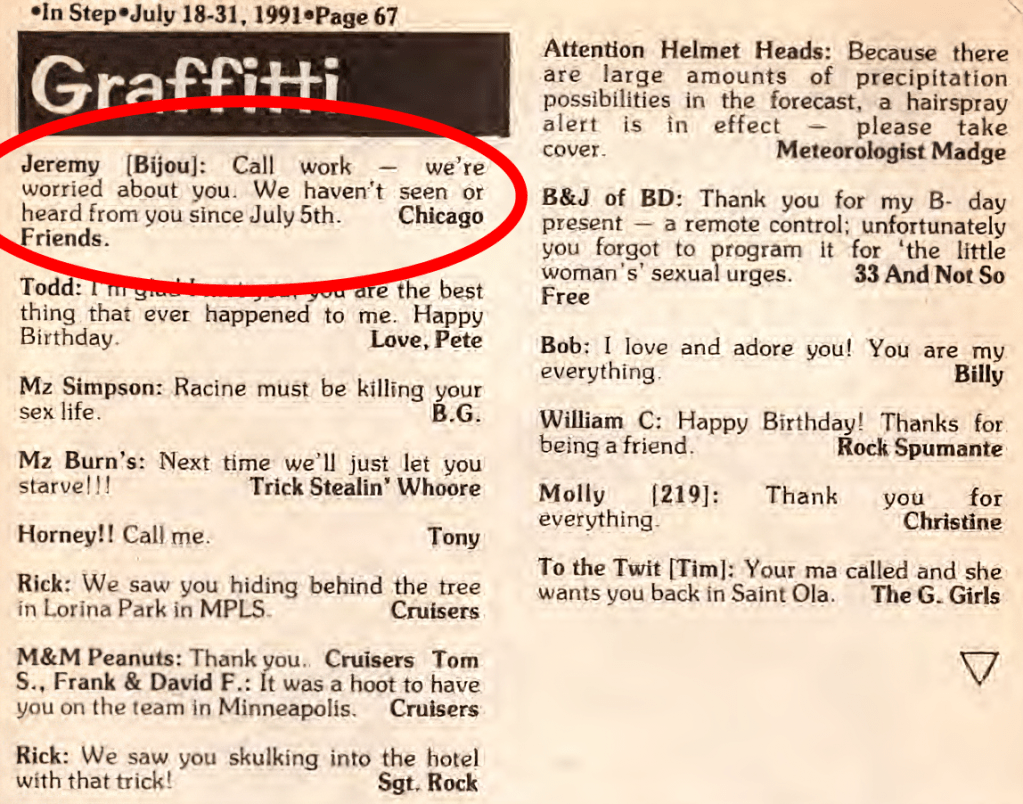
This is an In Step magazine, it is an almanac for all gay activities in Milwaukee (and surroundings). It includes drawings, articles, sex ads and, even, personal ads, which intrigued us so, we decided to cut-out the ads and read them, one by one. It did not take long to find a very curious and gruesome detail, on page 67, in a column of personal ads:

Personal ads column on In Step magazine

We, firmly, believe that this ad is from the friends of the victim Jeremiah Weinberger, who Jeffrey found in Chicago.

We wonder if this detail has just slipped away, or maybe it just isn’t a known fact. In any case, this is, to us, new information and we would like to share it with you.

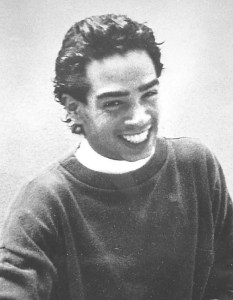
Who was Jeremiah Weinberger?

Jeremiah Weinberger was a 20 year old, natural from Porto Rico. According to USA Today: ” (…) he resided in Chicago in the 1990s and was working as a customer service representative for a video store.”

The store was Images of the World, which was the video sales department of Bijou, an adult theater in the Old Town area. On weekends he worked at the Bijou.

He was like a live wire. Very close to his family, a very honest and sincere person. You got a contact high just being around him.” – a former co worker said about Jeremiah.

He is, also, reminded by his room-mate Tim Gideon as being meticulous and an art lover. “His desk was always straight, and he knew where everything was. He always dressed nice and always worried about what he wore and how he looked.

Jeremiah was last seen on July the 6th.

Jeremiah Weinberger

Investigation and article by our authors: Necro and Yoanna

Sympathy and empathy towards Jeffrey Dahmer

Jeffrey L. Dahmer


The phenomenon surrounding Jeffrey Dahmer is marked by a multifaceted intrigue that extends beyond his crimes, seeking to unravel the complexities of his life. Delving into his psychology, upbringing, and personal struggles, this perspective paints a more comprehensive portrait of the man behind the notorious acts. Dahmer’s outward appearance as a good-looking and friendly individual adds layers to the intrigue, challenging the conventional perception of criminals. Many people feel drawn to his story precisely because he was different from other serial killers.

Humanization Amidst Unthinkable Actions: Embracing the Dualities of Humanity

One striking aspect of the sympathy directed towards Jeffrey Dahmer is the endeavor to humanize a figure often vilified as a monster. His good looks and friendly demeanor contribute to this perspective, illustrating the duality of human nature. Recognizing that even individuals who commit heinous acts can possess relatable qualities, this approach stimulates discussions about mental health, upbringing, and societal influences. By humanizing Dahmer, we initiate conversations that transcend the surface and delve into the intricacies of the human experience. The fact that many feel sorry for him due to his differences from other serial killers underlines the complexity of human emotions.

Exploring Motives and Fostering Prevention Through Understanding

The curiosity about Dahmer’s motives lies at the heart of the sympathy directed towards him. The desire to comprehend the “why” behind his actions prompts a deep exploration into the psychological and environmental factors that played a role. Additionally, his role in assisting authorities to solve the murders demonstrates a level of complexity that challenges preconceived notions. This perspective goes beyond mere curiosity; it serves as a preventive tool. By understanding warning signs, risk factors, and potential interventions, society can address underlying causes and work towards preventing similar cases. The complexity of Dahmer’s experiences opens doors for discussions about rehabilitation and reintegration into society.
The intricate fascination with Jeffrey Dahmer underscores the need to navigate a delicate balance between empathy and accountability. While highlighting his appearance, demeanor, and cooperation with authorities, it’s crucial to remember that empathy does not imply approval of his actions. This perspective demands sensitivity, ensuring that discussions remain respectful of the victims and their families. By engaging in dialogues that encompass the depths of human behavior and societal influences, we pave the way for a deeper understanding of complex individuals while striving for a safer society. The empathy towards Dahmer due to his differences from other serial killers serves as a reminder of the complexity of human emotions and perspectives.

Understanding Those Who Feel Compassion for Jeffrey Dahmer

Empathy, the ability to share and comprehend the feelings of others, takes on a perplexing dimension when some individuals express compassion for Jeffrey. These individuals, often characterized by hypersensitivity and deep empathy, extend their understanding even to those who have committed grave and heinous crimes. This phenomenon highlights the intriguing interplay between empathy and the complexities of human behavior. For those who feel sorry for Dahmer, their empathy goes beyond conventional boundaries, allowing them to explore the intricate factors that contributed to his actions. Such individuals possess a vivid empathetic imagination, enabling them to envision the potential influences that shaped his life trajectory.

By delving into the circumstances surrounding Jeffrey’s life, these empathetic individuals shed light on the fine line between understanding and moral judgment. Their unique perspective calls attention to the nuances of empathy, inviting us to question the extent to which we can empathize with even the darkest aspects of human nature.

In essence, the empathy paradox surrounding Jeffrey Dahmer serves as a reminder that the human capacity for compassion is both intricate and multifaceted. It prompts us to consider how empathy, combined with an imaginative perspective, can challenge our perceptions of crime, justice, and the inherent complexities of the human experience.

Jeffrey Dahmer – Beyond surface assumptions…


In the intricate narrative of Jeffrey Dahmer’s actions, a diverse spectrum of victims emerges, reflecting a broad array of backgrounds that transcend racial and ethnic boundaries. Upon closer scrutiny, this mosaic encompasses individuals from African American, Asian, Caucasian, and varied backgrounds, revealing a surprising absence of any definitive racial pattern. This provokes a deeper inquiry into whether Dahmer’s crimes were indeed driven by racial motivations.

At the heart of this complex narrative is the vulnerability of his victims. Many were grappling with their own formidable challenges – battling addiction, wrestling with homelessness, and enduring personal struggles that impart a deeper complexity to Dahmer’s motives. Rather than subscribing to a rigid racial agenda, his actions seem more aligned with a sinister proclivity to exploit pre-existing vulnerabilities.

Amidst the examination of Dahmer’s actions, it’s crucial to also recognize an often overlooked aspect of the story: his own victimhood. Delving into the depths of his psyche, it becomes evident that he, too, was ensnared by his own compulsions, a chilling reality that often remains overshadowed.

Within this narrative, it’s essential to acknowledge that Jeffrey Dahmer had a family – a voice that often remains unheard amid the tumultuous conversations surrounding his crimes. This recognition offers a perspective that broadens the lens through which we view the narrative, urging us to consider the ripple effects of his actions on those he left behind.

As we navigate this intricate tale, it becomes apparent that a multi-faceted exploration is essential. By delving beyond the surface, we uncover a narrative that defies easy explanation. In considering the lack of racial motives, Dahmer’s own struggles, and the voices of his family, we grasp the profound complexities that underlie his actions, reminding us that understanding such narratives requires a holistic and empathetic perspective.

Vital importance of violence prevention

In our contemporary society, violence prevention has emerged as a matter of paramount significance. Against a backdrop of heightened awareness surrounding mental health and overall well-being, it becomes imperative to adopt effective measures to avert potential acts of violence. While resources abound for individuals grappling with suicidal ideation, an evident disparity persists in the realm of online assistance for those contending with thoughts of violence. This gaping void in support stands as a critical security loophole that necessitates immediate rectification.

A striking illustration of this issue materializes when we examine a simple online query, such as “I have thoughts of suicide.” In response, a prominent search result instantaneously presents a lifeline contact and references to counseling centers poised to offer guidance to individuals mired in suicidal crises. This rapid reaction and immediate assistance play an instrumental role in safeguarding the lives of vulnerable individuals and furnishing them with the requisite aid during periods of acute distress. Conversely, a search inquiry for “I have thoughts of committing violence” exposes a palpable inconsistency in online support. Critical resources and institutions designed to offer assistance to individuals harboring violent inclinations are conspicuously absent. This shortfall in aid potentially results in individuals wrestling with aggressive thoughts failing to secure the necessary support, potentially leaving them ensnared in perilous situations.

A telling case study that underscores the ramifications of such a support gap is the instance of Jeffrey Dahmer. His notoriety as a serial killer and necrophile reveals a haunting narrative of a troubled individual who, despite exhibiting early warning signs of violence, did not receive timely intervention. The absence of accessible online resources akin to those readily available for individuals with suicidal thoughts further emphasizes the urgent need for a balanced approach to violence prevention.

Remedying this security vulnerability demands a concerted collaborative effort encompassing society, technology enterprises, and mental health professionals. Much like the protocols established for suicide prevention, a commensurate framework should be devised for violence prevention, including the development of online repositories, establishment of helplines, and provision of counseling services to guide individuals with inclinations toward violence onto constructive trajectories of change.

The need of the hour is to heighten societal awareness of this multifaceted challenge and actively advocate for equitable support catering to both individuals with suicidal and violent thoughts. By comprehensively addressing this lacuna in online assistance, we can contribute substantively to cultivating a secure, nurturing environment for all strata of society. Violence prevention is unequivocally a collective responsibility—a concerted endeavor to ensure the well-being and security of all individuals.

Unmasking Jeffrey Dahmer: Unraveling the Enigma of Sympathy

Within the chilling annals of criminal history, one name elicits an intriguing blend of repulsion and compassion: Jeffrey Dahmer. The grim atrocities he committed are undeniable, yet a spectrum of perspectives emerges when one delves deeper into his psyche. Beneath the surface of a remorseless serial killer lies a complex individual whose story challenges conventional perceptions.

Jeffrey Dahmer’s case evokes a peculiar sympathy, stemming from an attempt to understand the man obscured by monstrous actions. This perspective delves into the layers of his life, seeking to unearth the motivations that propelled him down such a dark path. It is an exploration of the blurred lines between perpetrator and victim.Dahmer’s portrayal is not confined to a single mold; psychiatrists have distanced him from the typical archetype of a sadistic serial killer. Their analysis highlights his struggle against compulsions and his futile attempts to suppress them. This differentiation paints a portrait of inner turmoil, adding shades of complexity to his narrative.The willingness with which Dahmer cooperated with law enforcement sets him apart from his peers in the criminal underworld. His immediate confession and apparent relief that his spree had ended offer glimpses into a psyche torn between remorse and compulsion. This aspect introduces an element of humanity that forces us to reevaluate his character.

Contrary to the image of a sadist, some argue that Dahmer’s actions were driven by a unique and agonizing set of paraphilias. This perspective humanizes him by accentuating his internal struggles and his battle with demons that were beyond his control. It underscores the need to acknowledge the humanity within individuals like Dahmer and prompts a contemplation of society’s role in providing an avenue for confession before compulsion culminates in atrocity.

The tale of Jeffrey Dahmer serves as a somber reminder of the importance of creating mechanisms to address those grappling with their darkest inclinations. His story underscores the urgency of offering spaces where individuals can confess their struggles without fear of judgment, and society’s responsibility to extend empathy and support.

In summation, the enigmatic persona of Jeffrey Dahmer invites us to challenge our preconceptions and explore the intricate web of human behavior. While his crimes remain indefensible, peering beyond the surface unveils a tapestry of motivations and struggles that shaped his life. By understanding and empathizing with the complexities of his narrative, we lay the groundwork for a more compassionate and vigilant society!

divided and conquered

people need to realize that there’s a good reason why some of us are born with more cognitive empathy than affective empathy. having a lack of affective empathy is not synonymous with lacking a moral compass.

if everyone were squeamish around blood and horrified at the idea of cutting into another human’s flesh, no one would ever want to be a surgeon. and people would just suffer and die as a result of never being operated on. we NEED people who are emotionally detached enough to cut someone open, but compassionate enough to want to save their life by performing the necessary procedure.

unfortunately, i think jeff dahmer is a perfect example of this type of person who went down a bad road. someone who could’ve been an excellent surgeon, forensic pathologist, or mortician, had he been raised with the extra attention that his specific mind needed. not a sociopath, not a psychopath — he didn’t meet the criteria for either of these, and it’s well-documented that he DID exhibit empathy for animals in particular — but just born with that same type of natural detachment that so many allistics don’t experience. it’s an emotional detachment with a moral compass underneath. they are separate entities. it just went wildly wrong in his case, and his morality ended up getting eclipsed by his mental illnesses and paraphilias.

the same drive that made him want to dissect roadkill is what makes me want to research HIM. a laser-focused curiosity about the dark and mysterious parts of life. like i’ve said so many times, i don’t think we’re all that different at the core of our being. when it comes to this aspect of the two of us, it’s all in the upbringing. i was raised well and paid attention to, and i became a well-adjusted person who uses his clinical outlook on things to gather knowledge that he might use to help others. jeff was neglected, never attended to on an emotional level or taught how to manage his feelings, and that contributed largely to what he became as an adult.

of course, he also had paraphilic disorders that i thankfully don’t have, and that’s another part of it for him too. but that part of him was left alone to fester and grow like noxious weeds inside of him, wild and uncontrolled. he never understood where it came from, but always wanted to, and he tragically died without the answers he sought. and when combined with that surgically-inclined mind he was born with, it was easy for it to just eat up all the space in his mind that was devoid of affective empathy.

the ability to use cognitive empathy is innate — you either have it or you don’t. and i thoroughly believe jeff had it. but it has to be trained, especially without a consistent expression of affective empathy there to bolster it. it has to be cultivated and strengthened by outside influence. jeff didn’t get this. i got it because i was paid attention to. that’s a huge part of what makes us different. but our baselines at birth were probably highly similar in that way.

i really don’t think it’s that uncommon to be like this, either; it’s just terribly misunderstood. there’s a reason why so many of us relate to jeff when we can’t relate to any other serial killer — because there’s a deep intuitive knowledge there that he was DIFFERENT. and no, i don’t think it’s all about him being a “master manipulator.” this is going to sound weird or even contradictory in a way, but i think his manipulation tactics during his crime spree worked so well because he had a genuinely good and kind side to him. it’s just that the addicted part of him put that toward the forefront in order to reach satisfaction. in a way, it’s like he used himself.

he really did embody his gemini sun sign to an uncanny degree. it’s almost like there were two jeffs — the one who was conflict-averse, loved animals, and didn’t want to cause anyone pain, and the bestial one who would stop at nothing to satisfy his desires. these two were at war inside of him for years on end. and sadly, the “good” jeff lost the battle, and 17 men and boys paid the price with their lives as a result. but in the end, i don’t think the good jeff lost the war.

i really do think his remorse was genuine regardless of his ability to feel emotion upfront. acute emotion is a separate entity from morality — plenty of emotionally-driven people kill and torture each other in the heat of passion, while plenty of “detached” types use their calmness in the face of chaos to save lives. it’s just a shame that he was so internally fractured, with these drastically different personality traits so discrete and sequestered within himself, and this made him too weak to fight back against his relentless sexual urges.

jeff dahmer was a perpetrator of horrific acts, yes, and for that he must always be held accountable. but at the same time, he was a victim of himself. victim #18 in the end, bludgeoned to death as a final result of his own life choices. an absolute clusterfuck of a human being, but a full human being nonetheless.

he was not an evil man. he was divided and conquered inside, which caused him to make terrible decisions. and i think that’s something a lot of people don’t get about him.

Jeff’s mannequin

Jeff Dahmer did not want to be with a person who would move, be energetic, express desires of his own, perhaps suprise him and demand too much of him. Jeff wanted a person who would lie down and permit himself to be stroked and admired, and finally used merely as an aid to masturbation. Obviously these people are not so easy to find so Jeff tried to find replacements so he wouldn’t have to kill. He got a mannequin from a Boston Store. Jeff saw the male mannequin and decided he wanted it. He used a big sleeping bag cover to put it in. He carried it right out of the store after closing time. He never thought of the store maybe having cameras or the possibility of being locked in the store. He got a taxi and took it home.

He used the mannequin to lay with and masturbate but was disappointed with it because it wasn’t like the real thing. “I just went through various sexual fantasies with it, pretending it was a real person, pretending that I was having sex with it.” But it wasn’t enough to satisfy him.

Brian Masters says in the Shrine, “This behavior seems less odd when one considers how many shops devoted to sexual aids sell a great number of inflatable dolls which men use to extend onanistic activity; nor the number of times men in art museums, thinking themselves alone, are seen by hidden cameras to run their hands over the bodies of statues.”

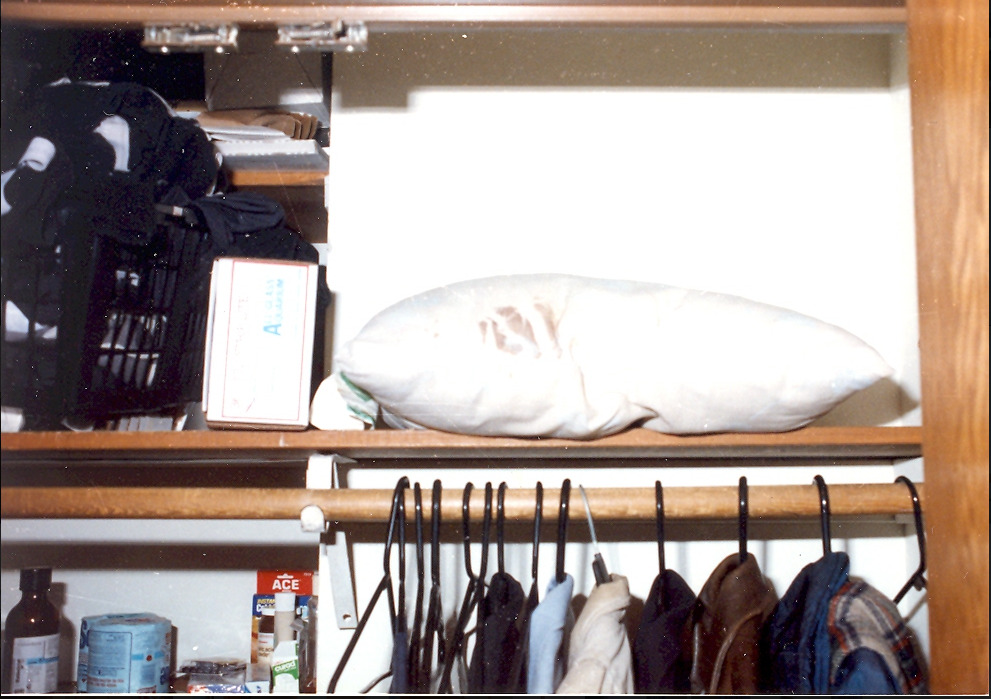
Even though Jeff pretended to have sex with the mannequin, it ofcourse did not actually involve penetration. That was not his purpose. It helped with the fantasy. He said: “I was walking around Southridge and saw this mannequin that sort of caught my eye. I wanted that mannequin, so I went into the store. There’s nobody in there. Stayed there until closing time. No alarms went off. Nothing. I got the mannequin undressed, got a taxi back home, and stored it in the closet at Grandma’s house. And I used to play around with it after.. dressing it up and undressing it. Pretending it was real.”

After a week or two his grandma stubbled on it. She asked Jeff what it was and how he got is. Jeff told her a story that he got it from a store that had extra mannequins for sale. His grandma called Jeff’s dad so Jeff got rid of it. He took it to the basement and smash it up and put it in the trash.
According to Lionel, Catherine Dahmer told Shari about the mannequin in one of their conversations about Jeff drifting downward again. She was wondering how he got. Did he steal it or order it somewhere? Jeff’s grandma couldn’t imagine what Jeff wanted with such a thing. After Shari told Lionel, he called him up. Jeff’s reaction was completely calm and unemotional. He said that he had taken it only to prove that he could. He liked the clothes on the mannequin but taking the mannequin itself was just a prank. Lionel thought Jeff was acting on an impulse which was natural to him. But Shari saw it differently. She thought the mannequin was a sign of something deeply wrong with Jeff. She said, “There’s something wrong with this story, I don’t know what it is, but there’s something wrong.”

Jeff said he wanted to have something real instead of fake like the mannequin but he needed to have complete control. In the end it seems the only way he thought that was possible was killing the men he found beautiful, who had the best physique.

It would have been better if I’d just stuck to the mannequins. Much, much better.

Depeche Mode — I Am You

this song makes me think of jeff so much. it really does. it must have been what he felt when he desired for a person to become a permanent part of him.

I had to ask. “Jeff, why did you wear this guy’s face?”

Dahmer continued to smoke as he answered. “Pat, I already told you that I wanted to keep these guys with me. I didn’t want them to leave. I loved them. That’s why I killed them. That’s why I saved their body parts. That’s why I ate them—so they could become one with me. I thought if I could preserve this guy’s skin, I could wrap myself in him. His outer shell would surround me. I would actually be in him. We would be one.”

The room fell silent. Patrickus wrote in her notepad, and Murphy and I sat without a word, letting Dahmer’s heartfelt explanation sink in.

— Grilling Dahmer: The Interrogation Of “The Milwaukee Cannibal” by Patrick Kennedy, Robyn Maharaj

if only he’d expressed this in a healthier way, with the consent of the other person, then maybe it would have gone more like this song portrays. 💔 but i wonder if this is what he was longing for — a connection so irreversibly deep and profound, two souls blended together fully, to the point where he was them and they were him.

it’s sad to know he was never able to find this consensual arrangement with a partner, instead feeling like he had to completely dominate them in order to have anything at all that wasn’t just a fuck-and-dump. perhaps in the next life, he will be — or already is — healthier, and he can have this intensely deep and unbreakable bond with someone who feels the same way.

You have bound my heart with subtle chains
So much pleasure that it feels like pain
So entwined, now that we can’t shake free
I am you and you are me

No escaping from the mess we’re in
So much pleasure that it must be sin
I must live with this reality
I am yours eternally

There’s no turning back
We’re in this trap
No denying the facts, no, no, no
No excuses to give
I’m the one you’re with
We’ve no alternative, no, no, no

Dark obsession in the name of love
This addiction that we’re both part of
Leads us deeper into mystery
Keeps us craving endlessly

Strange compulsions that I can’t control
Pure possession of my heart and soul
I must live with this reality

I am you and you are me

There’s no turning back
We’re in this trap
No denying the facts, no, no, no
No excuses to give
I’m the one you’re with
We’ve no alternative, no, no, no