The Cannibal Myth: Why Jeffrey Dahmer Does Not Fit the Clinical Definition

Of all the labels attached to Jeffrey Dahmer’s name, cannibal may be the most viscerally powerful and the least clinically accurate. Like the word necrophile — which we addressed in a previous article — it is repeated so confidently and so frequently that it has become accepted fact. And like the word necrophile, it is wrong. Not wrong in the sense that Jeffrey Dahmer never consumed human flesh — the documented record confirms that he did, on a limited number of occasions. Wrong in the sense that the word cannibal, as a clinical and psychological category, describes a specific profile and a specific motivation. Jeffrey Dahmer does not fit that profile. Understanding why matters.
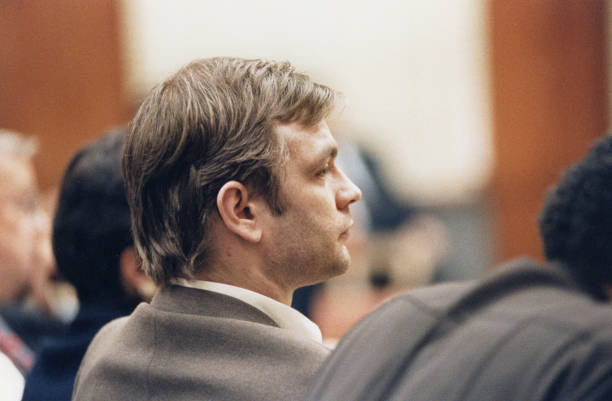
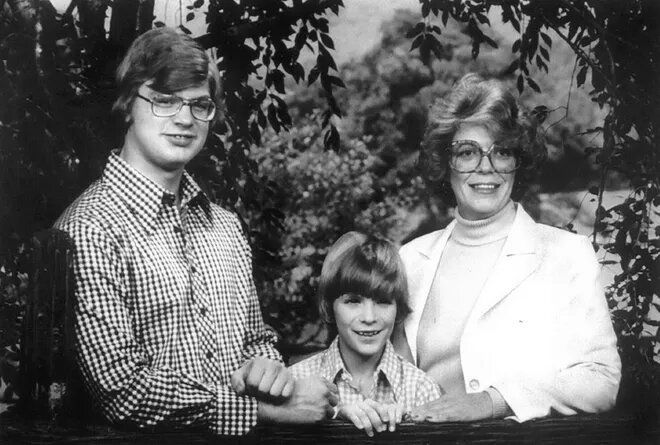
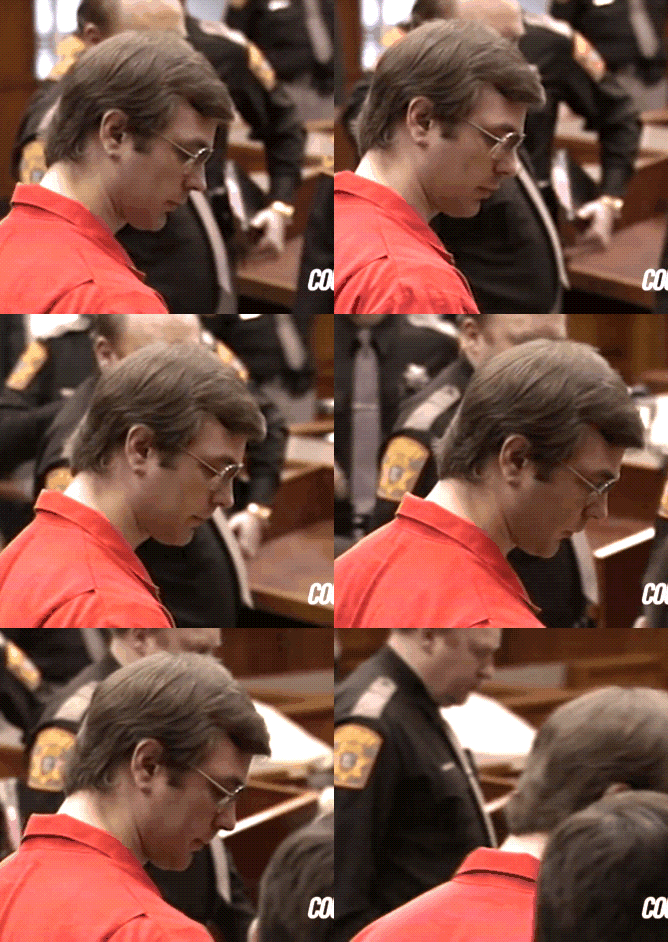
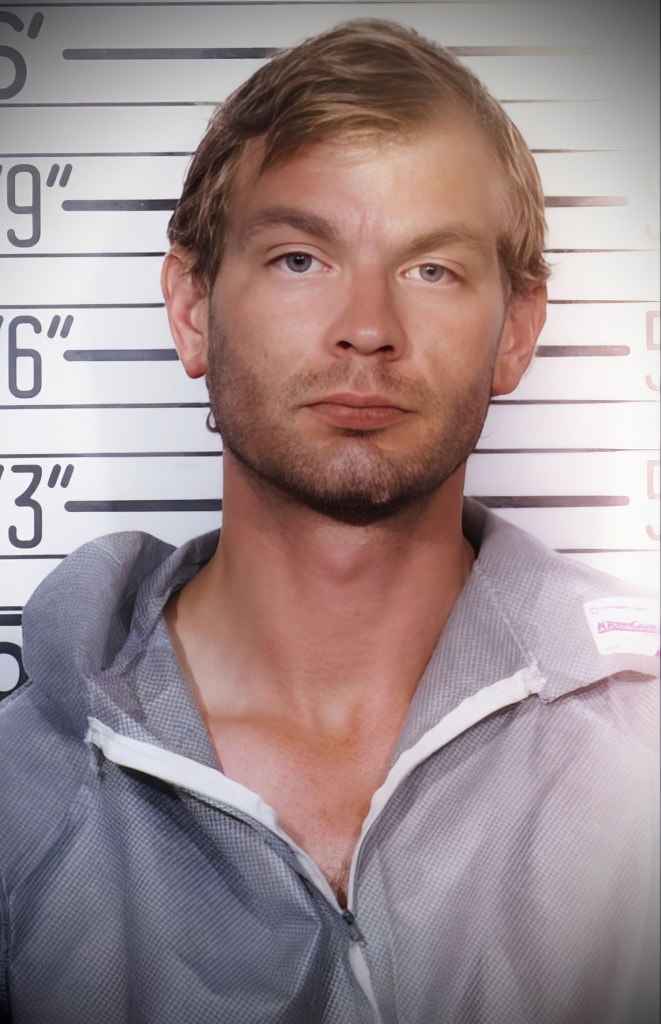
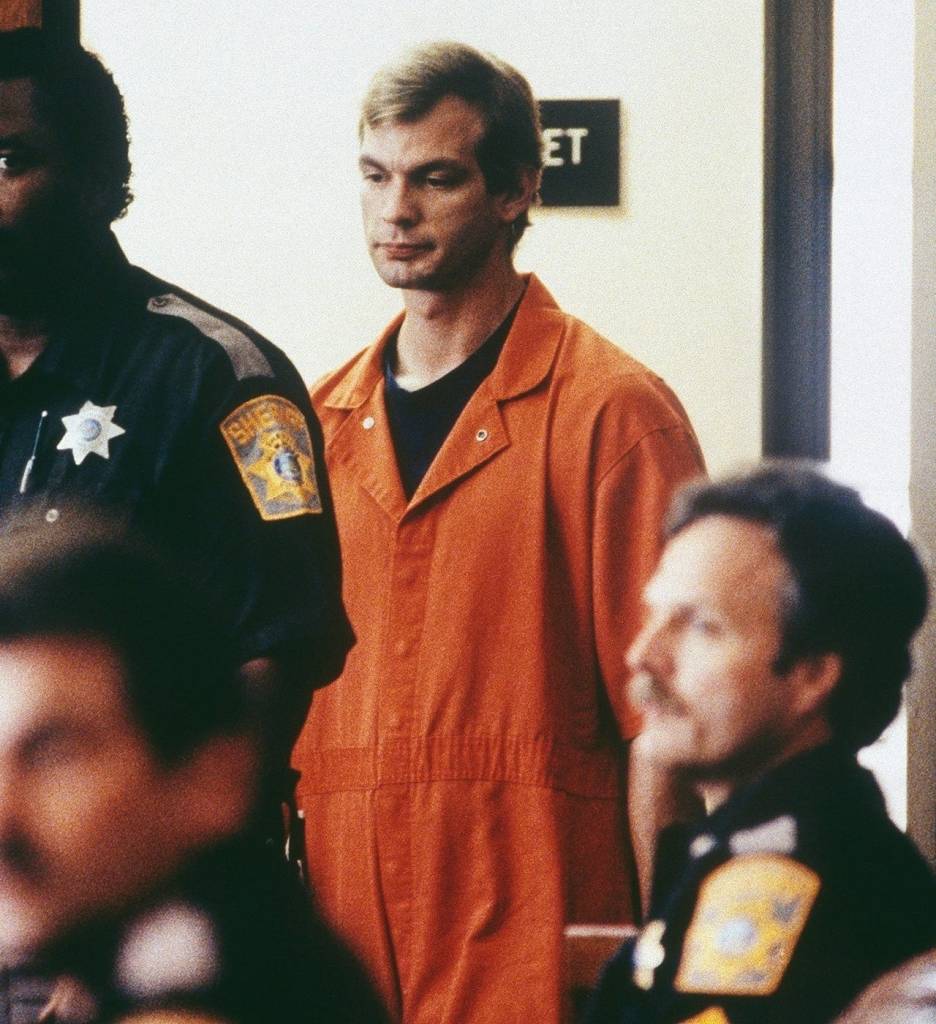
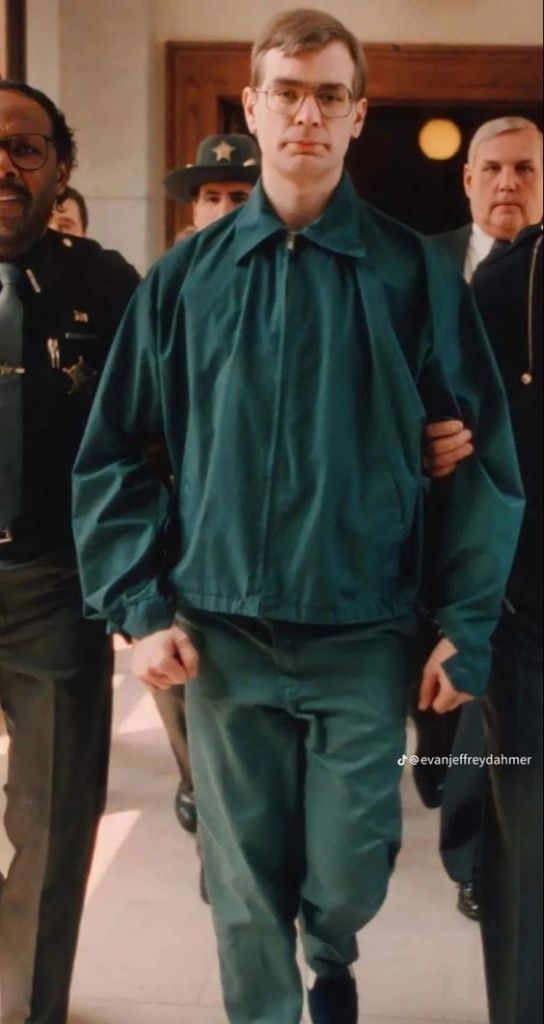
(Photo by Curt Borgwardt/Sygma/Sygma via Getty Images)

What Clinical Cannibalism Actually Is

Cannibalism as a paraphilic behaviour — that is, as a compulsive sexual or psychological fixation rather than a culturally or circumstantially motivated act — is classified in forensic psychology under the broader category of vorarephilia: a paraphilia in which the primary source of gratification is the act of consuming another person, or being consumed. In vorarephilic psychology, the consumption itself is the goal. It is the central fantasy, the organising compulsion, the thing toward which all other behaviour moves.

Research by Beier, Neutze, and Mundt (2009) on paraphilic disorders in forensic populations identified the defining characteristic of consumption-oriented paraphilias as the primacy of the consuming act in the individual’s fantasy and motivational structure. The consumption is not incidental. It is not instrumental. It is the point.

This distinction matters enormously when we examine Jeffrey Dahmer’s documented psychology.

What Jeffrey’s Own Accounts Tell Us

Jeffrey Dahmer was one of the most extensively interviewed violent offenders in modern American forensic history. His confessions were detailed, consistent, and remarkably self-aware. He had every reason — legal, psychological, personal — to construct his narrative carefully. And across every account, in the Fosdal psychiatric interview of January 1992, in the Kennedy interrogation transcripts, in his conversations with Roy Ratcliff, one thing is consistent: the consumption of human flesh was never described as a primary drive.
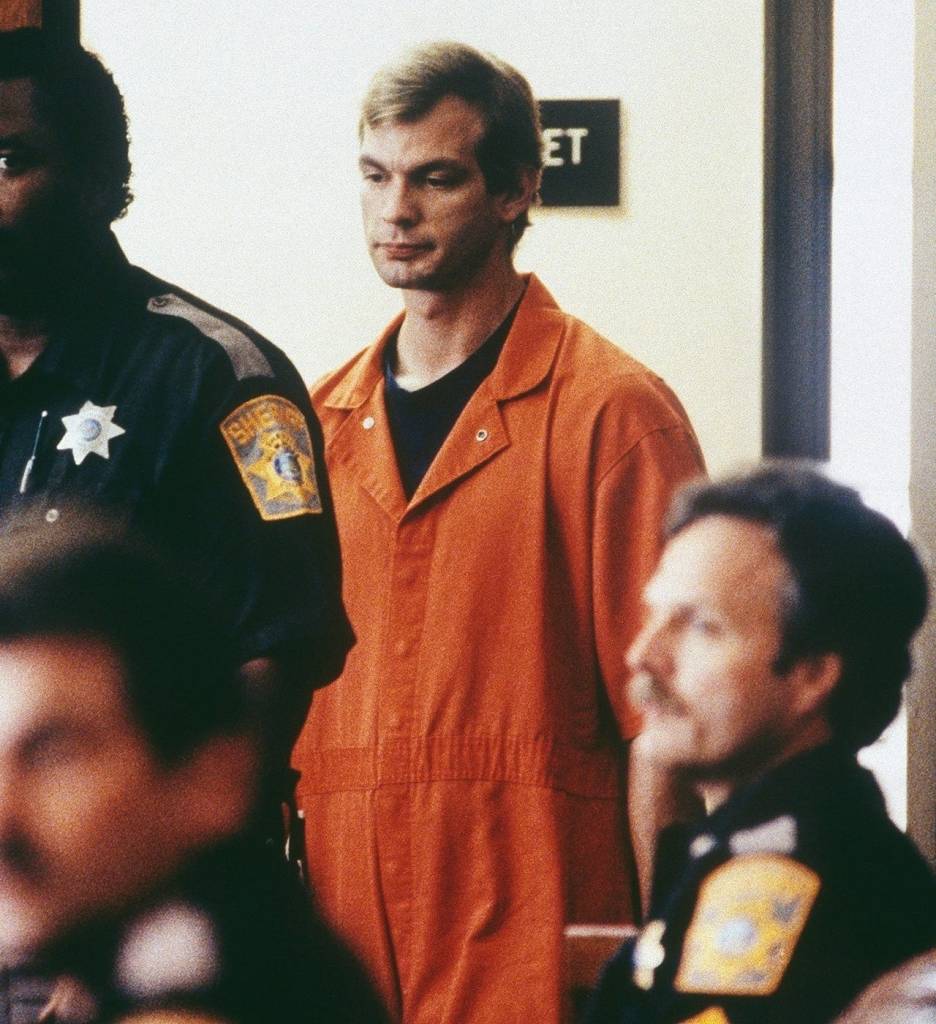
What Jeffrey described, consistently and with specificity, was a compulsion toward permanent possession. He wanted to keep the person with him. He wanted them to become part of him — inseparable, permanent, impossible to lose. In the Fosdal interview, he described his behaviour explicitly in terms of not wanting the person to leave. The fantasy was one of permanent union, of the other person becoming so thoroughly incorporated into his existence that separation became impossible.

In this context, the limited instances of consuming human flesh represented, in Jeffrey’s own psychological framework, the ultimate expression of that possession compulsion. Not a desire to eat, but a desire to keep. Not vorarephilia, but an extreme and catastrophic extension of the same attachment pathology that drove every other aspect of his behaviour.

He said it himself:

“I wanted to keep them with me. I wanted them to be a part of me.”

That sentence is the key. The motivation was not consumption for its own sake. It was permanent possession expressed through consumption.

The Forensic Psychiatric Assessment

Dr Judith Becker, Professor of Psychology and Psychiatry at the University of Arizona, testified at Jeffrey’s 1992 trial and provided the most detailed clinical evaluation of his paraphilic structure. Her assessment identified the primary paraphilia as organised around unconsciousness, control, and possession — not consumption. The behaviour involving human remains was assessed as an extension of the possession compulsion, not as an independent paraphilic drive.

Dr Fred Berlin of Johns Hopkins University reached similar conclusions. Neither evaluator identified a vorarephilic profile in Jeffrey’s psychology. Neither found evidence that the act of consumption was itself the source of gratification or the organising fantasy.

This is not a minor technical distinction. In forensic psychology, motivation is everything. The same external behaviour — consumption of human flesh — can arise from radically different psychological structures. In true clinical cannibalism, the motivation is the consumption. In Jeffrey Dahmer’s case, the motivation was possession, and the consumption was one instrument through which that impossible goal was pursued.

The Netflix Effect

The 2022 Netflix dramatisation Monster: The Jeffrey Dahmer Story placed enormous and disproportionate emphasis on cannibalism, including the now-notorious sandwich scene — which, as we have documented elsewhere, has no basis whatsoever in the factual record and was invented for dramatic effect.

The cultural result has been a significant distortion: in the popular imagination, Jeffrey Dahmer’s cannibalism has become central to his story in a way that the primary sources do not support. It is more viscerally shocking than somnophilia or possession compulsion or attachment pathology. It is more filmable. It is more clickable.

It is also more distorting. Every time we reduce Jeffrey Dahmer to the cannibal label, we close off the actual psychology — the attachment wounds, the developmental failures, the chronic loneliness, the possession compulsion — in favour of something that functions primarily as horror spectacle. We make him into a monster rather than a human being whose psychology, however catastrophic in its expression, is legible and documentable and connected to things that can actually be understood.

Why the Distinction Matters

This is not, to be clear, an attempt to minimise what happened. The acts documented in the forensic record are serious and devastating, and nothing in this article diminishes the weight of what Jeffrey Dahmer did or the harm caused to his victims and their families.

But accuracy matters. It matters for the same reason that the somnophilia distinction matters, and the same reason the myth-busting chapter of The Book of Jeff matters. When we apply inaccurate labels, we stop looking. We close the file. We decide that the explanation is the word — cannibal, monster, evil — and we move on without asking what the word actually describes, whether it applies, and what it would mean if it didn’t.
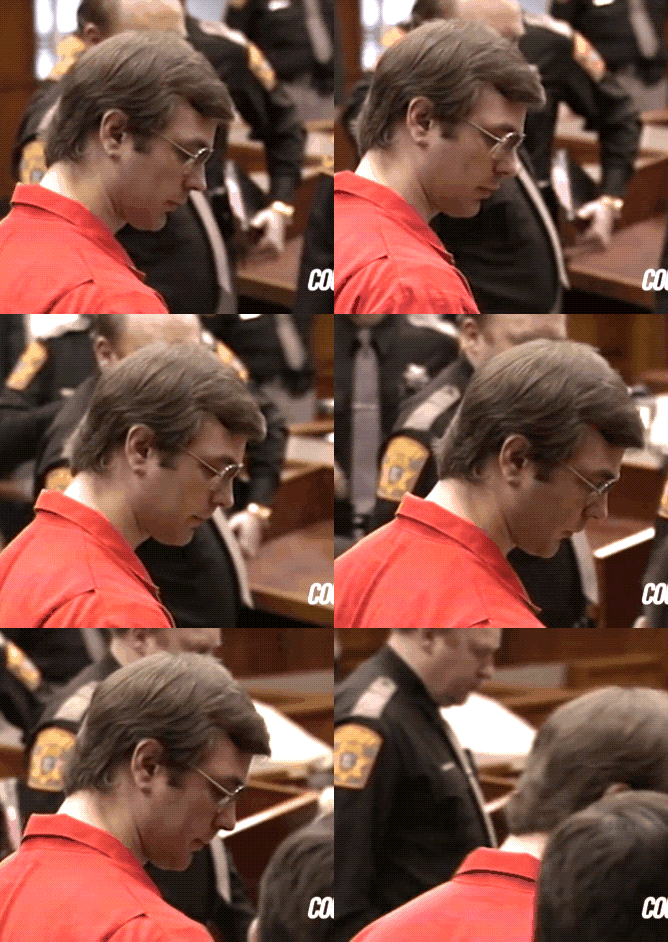
Jeffrey Dahmer was not primarily motivated by a desire to consume human flesh. He was motivated by a desperate, pathological, catastrophically expressed need to possess and to keep. That need had roots in early attachment failures, in profound and chronic loneliness, in a psychology that had never found a way to tolerate the ending of connection.

The cannibal label is simpler. The truth is more human.

And the truth is what we are here for.


Sources: Frederick A. Fosdal, M.D., psychiatric interview, January 9, 1992; Detective Patrick Kennedy, Grilling Dahmer, 2016; Dr Judith Becker, trial testimony, State of Wisconsin v. Jeffrey L. Dahmer, 1992; Dr Fred Berlin, trial testimony, 1992; Beier, Neutze and Mundt, Archives of Sexual Behavior, 2009; Brian Masters, The Shrine of Jeffrey Dahmer, 1993.

Exposing Fake Jeffrey Dahmer Channeling: When the Posts Write Themselves

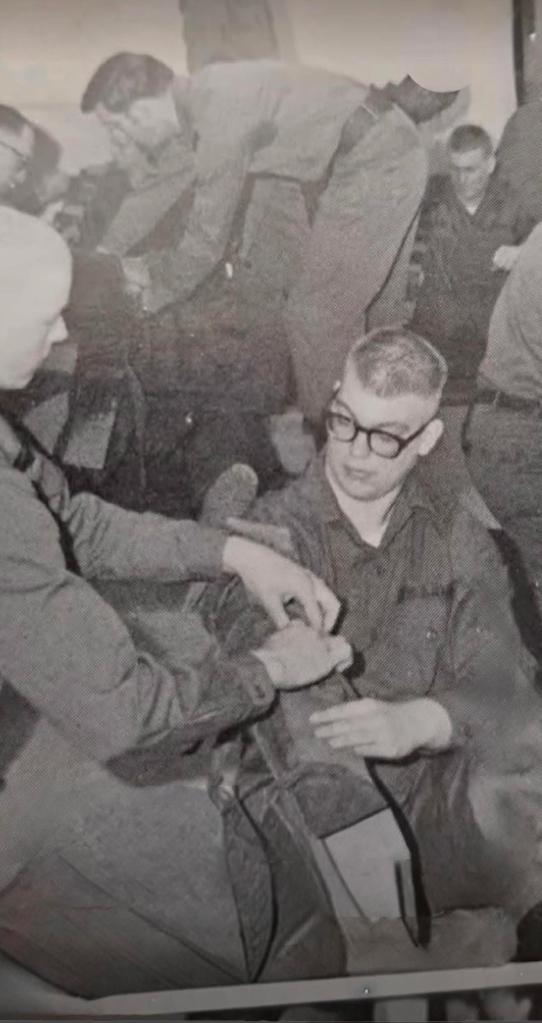
Remember “Person B” from our recent article about how a rare Jeffrey Dahmer army photo leaked into public circulation?

The one who runs a YouTube channel claiming to channel Jeffrey’s spirit? The one who believes Jeffrey is her biological father? The one the memorial has previously identified as fake spiritual content preying on grief and fascination?

Here’s what she posts. Daily.

We’re not adding much commentary. We’re just presenting it. You can judge for yourself.

The 5D Relationship

Let’s break down what’s being claimed here:

  • Jeffrey Dahmer (who died in 1994) is currently in “the 4d” (fourth dimension)
  • She is in “the 3d” (third dimension)
  • Therefore they are in a “5d relationship” (fifth dimension)
  • When Jeffrey “doubles with her” (whatever that means), they’re both in the 3d
  • They have such strong telepathy that they “don’t need to talk in our minds”
  • They’ve been together “24/7 for over two months now”
  • Jeffrey is “very shy” about manifesting physically in this dimension
  • He’s afraid she won’t like him

She then describes waiting for Jeffrey to “take one step forward” into this dimension so she can “see him and talk to him as if he never left.”

Dimensional Farts and Darth Vader

But wait. It gets better.

She continues:

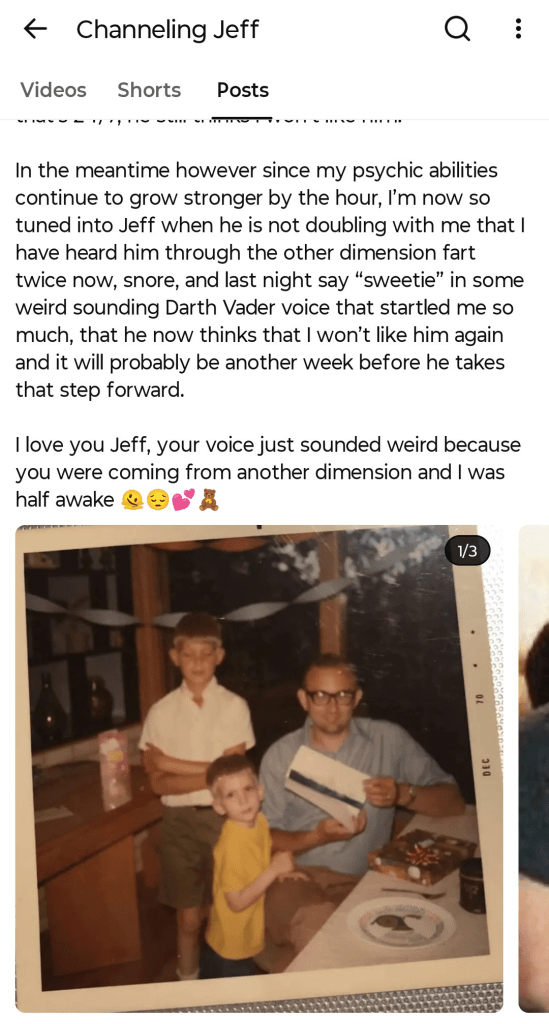
“In the meantime however since my psychic abilities continue to grow stronger by the hour, I’m now so tuned into Jeff when he is not doubling with me that I have heard him through the other dimension fart twice now, snore, and last night say “sweetie” in some weird sounding Darth Vader voice that startled me so much, that he now thinks that I won’t like him again and it will probably be another week before he takes that step forward.”

Read that again.

She can hear Jeffrey Dahmer:

  • Fart (twice)
  • Snore
  • Say “sweetie” in a Darth Vader voice

All through dimensions. And because the Darth Vader voice startled her, Jeffrey now thinks she won’t like him and it will be “another week” before he manifests physically.

She ends with: “I love you Jeff, your voice just sounded weird because you were coming from another dimension and I was half awake 😂😔💕🤷‍♀️”

The Glasses That Don’t Exist

This same person claims to own several pairs of Jeffrey Dahmer’s glasses.

Jeffrey’s authenticated glasses are worth approximately $100,000 each. They are extremely rare, documented artifacts. There are perhaps a handful in existence, all accounted for in museums, authenticated private collections, or documented sales with provenance.

She does not have them. She cannot provide authentication. She cannot provide provenance. Because they don’t exist.

Why This Matters

This is what fake channeling looks like.

People who are grieving, fascinated, or seeking genuine connection with Jeffrey Dahmer can fall for this content. They might:

  • Give money
  • Give attention and platform
  • Share private material (like the army photo that was leaked from someone’s private collection)
  • Believe they’re participating in something sacred when they’re being manipulated

The memorial does not endorse channeling, mediums, or anyone claiming to speak for the dead. We exist to hold Jeffrey Dahmer’s full humanity — the real person who lived, suffered, hurt others, and died. Not a cartoon spirit who farts through dimensions and speaks in Darth Vader voices while being too shy to manifest.

The Posts Write Themselves

We don’t need to add much to this. The content speaks for itself.

Dimensional relationships. Telepathic conversations. Spiritual farts. Darth Vader voices. Fake glasses collections. Daily updates about why Jeffrey is too shy to step into the 3d.

This is not grief. This is not spiritual connection. This is not channeling.

This is someone making content for attention, claiming impossible things, and deceiving people who genuinely care about understanding Jeffrey Dahmer.

The memorial’s position is clear: this is fake. This is harmful. And we will continue to identify it as such.

If you encounter content like this — on YouTube, TikTok, or anywhere else — please approach it with skepticism. Ask for evidence. Ask for authentication. Ask why Jeffrey would be too shy to manifest but confident enough to fart audibly through dimensions.

And if something sounds ridiculous, trust your instinct. It probably is!


How a Rare Photo of Jeffrey Dahmer Surfaced (And Why Memorial Drama Is Part of the Story)

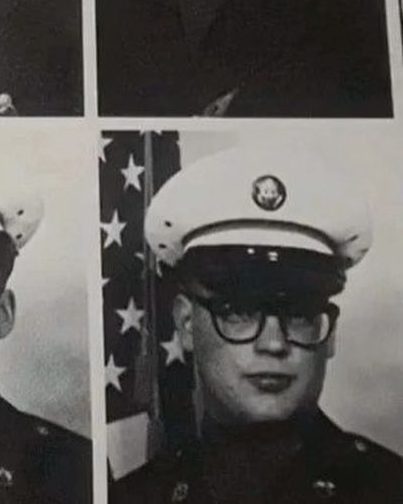
So here’s a photo of Jeffrey Dahmer you probably haven’t seen before.

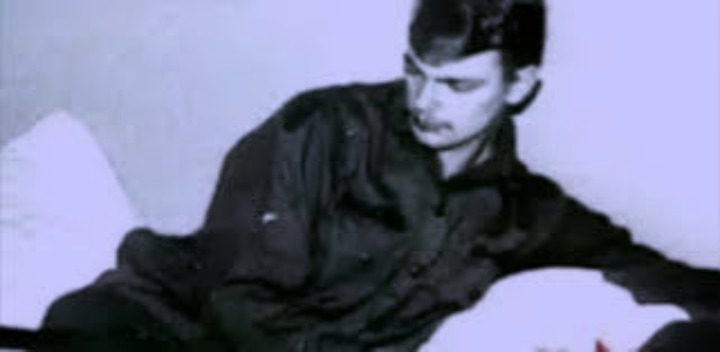
He’s in the Army. Early days. Ordinary. Human. The kind of photo that reminds you he was a real person who existed in the world before everything went wrong.

How did we get this photo?

Well. That’s a story about parasocial relationships, community betrayal, leaked private collections, and someone who runs a YouTube channel claiming to channel Jeffrey’s spirit and believes he’s her father.

Welcome to memorial community drama.

Here’s What Happened (No Names, Because We’re Not Monsters)

Someone in the memorial community — let’s call her Person A — had this photo saved privately. Part of her personal collection. Not public. Not shared.

Enter Person B: runs a YouTube channel that the memorial has previously exposed as fake. Claims to communicate with Jeffrey’s spirit. Believes Jeffrey is her biological father. (Yes, really. No, we’re not going to unpack that here.)

Person B wanted the photo. She got it by, shall we say, persistent social networking — annoying people until they gave her what she wanted.

Then Person B leaked it. Posted it on her YouTube channel. Posted it on TikTok. Made it public for everyone to see.

Person A is furious. Her private collection, now everywhere.

But Here’s The Thing

Person A? She’s been spreading some pretty nasty lies about us. Saying mean stuff. And — here’s the karma part — she also allegedly leaked private photos of Lionel Dahmer (Jeffrey’s father) that should never have been made public.

So. Karma showed up. And now we all have this rare photo of Jeffrey in the Army.

Why This Matters

Memorial communities are messy. People form intense parasocial relationships with the dead. They claim spiritual connections. They hoard private material. They betray each other. They leak things out of spite or desperation or because they genuinely believe they’re doing sacred work.

And somehow, through all that chaos, new material emerges.

This photo wouldn’t be public if Person B hadn’t been obsessed enough to hunt it down and Person A hadn’t been careless enough to let it slip. The memorial exists because people care deeply — sometimes too deeply, sometimes in ways that get weird and uncomfortable.

But the photo is real. Jeffrey was real. He stood in that Army uniform, young and ordinary, before everything collapsed.

About That YouTube Channel

We’re not linking to it. We’ve previously exposed “Channeling Jeff” as fake spiritual content that preys on people’s grief and fascination. The memorial does not endorse channeling, mediums, or anyone claiming to speak for Jeffrey’s spirit.

But we’re also not going to pretend the photo doesn’t exist just because of how it surfaced.

The Larger Point

Memorial work is not clean. It’s not academic. It’s not removed from the messiness of human behavior.

It’s people fighting over photos. It’s leaked private collections. It’s spiritual charlatans and ex-friends and karma coming full circle.

And sometimes, through all that chaos, we get a glimpse of Jeffrey as he actually was: a young man in an Army uniform, standing with other soldiers, ordinary and human and real.

That’s the photo. That’s the story. That’s memorial work.

Left Alone: Jeffrey Dahmer, Abandonment, and the House on West Bath Road

There is a moment in the history of Jeffrey Dahmer’s life that does not receive the attention it deserves. It is not the moment of his arrest, nor the moment his crimes were discovered, nor even the moment he committed the first of them. It is an August afternoon in Ohio, sometime in 1977, when a seventeen-year-old boy watched a car pull out of the driveway and drive away — taking his mother, his little brother, and any remaining semblance of family structure with it — and was left entirely alone.

He would remain alone for weeks. No one came. No one knew.

The Marriage That Broke Him Second

The dissolution of Lionel and Joyce Dahmer’s marriage was not sudden. It was the long, grinding collapse of two incompatible people who had been held together by habit, geography, and the presence of children. Lionel Dahmer, in his own memoir, documents the accumulation of distance — the arguments, the helplessness, the silences that grew longer. Joyce suffered from severe depression and anxiety, and Lionel, by his own admission, was emotionally withholding and ill-equipped to meet her needs. She would ask him if he loved her, he writes, and his reassurances never seemed to satisfy her. He felt helpless. She felt invisible.

Jeffrey had grown up inside this. Brian Masters, in The Shrine of Jeffrey Dahmer, draws the connection directly: the combined inheritance of his father’s aloofness and his mother’s morose sensitivity were cancelling his own personality, negating it, before its development was complete. He had learnt early to take up as little space as possible, to speak little and do less, to manage his emotions in isolation rather than risk adding to the household’s already precarious atmosphere. His brother David would later say that Jeff never learnt to be open with his feelings of frustration, that he went out to the forest alone to cut down trees. They could hear him slamming against the trunks from inside the house.

By the time Jeff was sixteen and seventeen, the marriage had entered its terminal phase. Joyce’s father died in August 1977 and she told Lionel on her return that seeing her father’s dead body had made her feel certain their marriage was dead too. She initiated divorce proceedings. Lionel filed shortly afterwards. A custody battle followed — primarily over David, who was still a young child, while Jeff was nearly eighteen. Lionel moved out of the family home at 4480 West Bath Road and into a room at the nearby Ohio Motel. He had no telephone there, and was restrained by order of the Court from visiting the house.

Jeff was left in the house with his mother and David, but it was not stable. Masters documents that with his father living in the motel and his mother frequently running off to see relations in Wisconsin and taking David with her, Jeff was sometimes left to his own devices, and when that happened, his imagination festered. The children whose parents are visibly departing from their lives often experience something worse than the final abandonment itself: the anticipatory dread, the practice losses, the sensation of being the last one standing before the door finally closes for good.

24 August: The Door Closes

The divorce settlement was a meticulous, depressing document. Masters describes it: sofas, chairs, tables, curtains, beds, a toaster, a ping-pong table, stereo equipment, a barbecue — two full pages measuring in objects and belongings the failure of a relationship. Lionel would retain the stove and refrigerator. The curtains in the playroom. Joyce was awarded the car.

On 24 August, Joyce loaded that car and took David with her to Wisconsin. She did this in defiance of a court order. Her sister later said she was frightened of Lionel and what he might do. She is also said to have begged Jeff to go with them, but he was, in Masters’ words, paralysed by inertia. So she left, never to return, and as she went she urged Jeff not to tell his father what she had done.

Jeff was left alone in the house.

There was half a gallon of milk in the fridge, but nothing else. Some of the food in the larder was two years old. The house was in a mess. There was no car in the garage. He was isolated, in the literal sense now as well as the emotional.

It was some weeks before he was discovered by his father. Lionel had no telephone at the motel and was restrained by court order from visiting the house. He had no idea Joyce had left. When he finally learned the facts and went to the house with his new companion Shari Jordan, the scene they found was one of quiet devastation. Very little food. A broken refrigerator. A round wooden coffee table in the family room, on which a pentagram had been drawn in chalk — Jeff had been conducting a séance. He had been trying to contact the dead.

When Lionel questioned Jeff about where Joyce and David had gone, Jeff said only: They moved out. And then he shrugged. He claimed he did not know where they were, and though Lionel pressed him, he added nothing beyond that initial sentence. He had, weeks before, watched everything leave. He had been sitting with it alone since then. When his father finally came, there were other teenagers in the house, drifting through the rooms, touching things delicately, as if feeling for their textures, as if uncertainty about where they were had made them careful.

Shari Jordan, walking through the house for the first time, felt its unhappiness immediately. Looking at Jeff, she saw, in her own words, a lost little boy. She saw a young man who seemed shell-shocked by the divorce, ashamed and embarrassed by the disarray within his family. He had been seventeen years old when the car pulled out of the driveway. He had waited. Nobody came.

What Happens to the Brain When a Child Is Abandoned

The research on parental abandonment and adolescent development is neither surprising nor ambiguous. Its conclusions are consistent across decades of study in attachment theory, developmental psychology, and neuroscience, and they form a portrait of what happens inside a young person who experiences the loss of a caregiver — not through death, which carries its own kind of grief, but through departure, which carries something arguably more corrosive: the knowledge that the parent chose to go.

John Bowlby, the British psychiatrist whose work on attachment theory remains foundational to the field, established that the secure base provided by a caregiver is not a comfort for children — it is a developmental necessity. Without it, the child cannot properly explore, regulate emotion, or build an internal working model of the world as safe or coherent. Bowlby described the effects of disrupted attachment as directly comparable to mourning: a child who loses a caregiver, whether physically or psychologically, goes through stages of protest, despair, and then, most dangerously, detachment. That final stage — detachment — is the system protecting itself. It is the moment the child stops expecting the caregiver to return, and reorganises its entire emotional structure around that absence.

What makes abandonment in adolescence particularly damaging is the developmental moment at which it occurs. The teenage brain is undergoing its most significant structural reorganisation since infancy. The prefrontal cortex — responsible for impulse control, consequence assessment, and emotional regulation — is still years from completion. Research by developmental neuroscientist Sarah-Jayne Blakemore and others has shown that adolescents rely far more heavily on subcortical systems — the amygdala, the limbic system — for emotional processing, which is why stress responses in teenagers are more intense, more consuming, and harder to contextualise than those of adults. When the stressor is as profound as the departure of both parents in rapid succession, the developing brain has no adequate mechanism to contain it.

Studies on the effects of parental abandonment specifically — as distinct from parental death, which tends to receive more social recognition and support — consistently document elevated rates of complex trauma responses in adolescents. Mary Ainsworth’s work on attachment styles identified what she called anxious-avoidant attachment as a common outcome of parental emotional unavailability or physical departure: the child learns that reaching for connection leads to disappointment or rejection, and so retreats entirely, presenting to the world as self-sufficient while experiencing internally a profound dysregulation. Research published in journals including Child Development and Developmental Psychology has linked adolescent experiences of parental abandonment to significantly higher rates of dissociation, emotional numbing, impaired identity formation, and difficulty regulating aggression or impulse — not as character flaws, but as neurological adaptations to an environment that has become profoundly unsafe.

The isolation component matters enormously. A body of research by John Cacioppo and colleagues on the effects of chronic loneliness has demonstrated that social isolation activates the same neurological threat-response systems as physical danger. The isolated human brain perceives itself as under threat, continuously, and reorganises its processing accordingly — becoming hypervigilant, more reactive to negative stimuli, less capable of trust or connection. In adolescents, for whom peer belonging and family security are the twin pillars of psychological stability, sustained isolation during a period of already heightened vulnerability has effects that can be traced through the architecture of the brain for decades.

Jeff Dahmer spent weeks alone in a house with two-year-old food in the larder and a broken refrigerator. He drew a pentagram on a coffee table and tried to reach the dead. He invited strangers in to drift through the rooms. He was seventeen years old, and not one adult in his life knew where he was or what he was doing. Both his parents had departed. Neither came back.

The Imagination Festered

Masters uses a specific phrase about the period of increasing domestic chaos that preceded the final abandonment: Jeff was left to his own devices, he writes, and when that happened, his imagination festered. It is a remarkable word. Not grew. Not developed. Festered — as in a wound that has not been cleaned, that is turning in the dark.

Jeffrey Dahmer had been alone with his inner life for years before August 1977. He had built an elaborate private world — what Masters documents as Infinity Land, a fantasy of sole possession and absolute control, developed in childhood and carried silently into adolescence. He had discovered, already, that his sexual attraction was to men, and had no framework within which to place that knowledge. He had become increasingly isolated at school, increasingly dependent on alcohol, increasingly prone to fantasies that nobody around him knew existed. The aloneness of his inner life was already profound before his parents left. What the abandonment did was remove the last external structures that had been interrupting it.

Psychological research on fantasy and isolation draws a sharp distinction between fantasy that is integrated with reality — tested, modified, tempered by contact with other people — and fantasy that develops in a sealed system, with no external check. Fantasy that grows in isolation does not remain stable. It intensifies. It becomes more specific, more detailed, more necessary. For a teenager whose regulation depends almost entirely on fantasy because external regulation has disappeared, the inner world does not simply become his refuge. It becomes his only world.

This is what Masters is describing when he writes that Jeff’s imagination festered. Not that Jeff was simply left to his hobbies, or his music, or his aloneness. He was left to a developing system of fantasy that had no counterweight — no parent to interrupt it, no sibling to demand he return to the ordinary world, no daily structure that required him to be present in reality rather than inside his own head. The house on West Bath Road, empty and disordered, became the perfect incubator.

June 1978: The House Is Empty

By June 1978, Jeffrey Dahmer had turned eighteen. His father and Shari were living in the house, but on the day that would determine the rest of his life they were away. The house was empty. He had the car. He was driving home alone.

He saw a young man walking by the roadside without a shirt. Something in him — the confluence of everything that had been accumulating in the sealed system of his inner world — made him turn the car around. He told the young man, whose name was Steven Hicks, that his folks were away, that they would be left alone. Steven got in the car. He came back to the house. They drank and talked for a couple of hours, and then Steven said he ought to be going before it got dark.

What happened next was the consequence of many things — Jeffrey Dahmer’s psychology, his paraphilias, the fantasies he had been cultivating for years. But Masters, who is careful and precise about causation, locates the trigger of that specific night in a specific feeling. The talk of moving on, of the future, of going somewhere — it pressed upon Dahmer, Masters writes, like a creaking vice. He had no future. He was going nowhere. He was doomed to sit in that house and poison himself with thinking. He needed to exercise some control, for once, and be himself, whatever that self was.

He went to the cellar and got a barbell. He came back upstairs. Steven Hicks was still sitting in the chair, with his back to the door.

Masters’ account of the hours that followed is careful and sombre. And then, after everything, he writes this: a boy of eighteen in a solitary house in the quiet Ohio countryside took his first step towards madness.

A boy. Solitary. A house in the countryside. That is the framing Masters chooses. Not a monster. Not an aberration. A boy, alone, in a house, at the precise moment when all the structures that should have been there to interrupt the worst of what was inside him had collapsed and gone.

The Absence of Protection

None of this is a justification. Masters is not offering one, and neither is this article. Steven Hicks was a nineteen-year-old who had done nothing wrong, who had got into a car in good faith and would never return to his family. His death was a crime of real violence, and real harm, and it was the beginning of a pattern that would destroy sixteen more lives. The suffering of those people and everyone who loved them is absolute, and it is not diminished by anything written here.

But understanding is not the same as excusing. And one of the failures of the popular narrative around Jeffrey Dahmer — the narrative that begins with the word monster and ends there — is that it exempts us from understanding how something like this happens in a real family, in a real house, in a country that had all the knowledge it needed to intervene and did not.

A seventeen-year-old boy was left alone in a disordered house for weeks. He had two years of old food in the larder and half a gallon of milk in a broken refrigerator. He drew pentagrams and tried to reach the dead. Nobody knew. Nobody came. The one parent who had no telephone and was legally prevented from approaching eventually arrived and was devastated by what he found. The other parent had taken the court-ordered car in defiance of a judge and never came back.

Research tells us what we know in our bones: that children need continuity, presence, and protection to develop. That the adolescent brain is uniquely vulnerable to abandonment. That isolation in a teenager, especially an already-isolated teenager with an already-sealed inner world, does not resolve on its own. That the imagination, left without a counterweight, festers.

Jeffrey Dahmer was not protected. He was not monitored, not counselled, not checked on, not held. He was left with a broken refrigerator and a house full of strangers and a mind full of things no one had ever helped him name or manage. He was a lost little boy, as Shari Jordan recognised in a moment of startling clarity, and the world that encountered him saw only the shell of a young man who seemed fine.

He was not fine. He had been alone for a very long time. And the house on West Bath Road, in August 1977, was the moment the last door closed.


Sources: Lionel Dahmer, A Father’s Story, 1994; Brian Masters, The Shrine of Jeffrey Dahmer, 1993. Psychology references: John Bowlby, Attachment and Loss (1969–1980); Mary Ainsworth, Patterns of Attachment (1978); Sarah-Jayne Blakemore, The Mysterious Workings of the Adolescent Brain (2012); John Cacioppo and William Patrick, Loneliness: Human Nature and the Need for Social Connection (2008); research published in Child Development and Developmental Psychology on adolescent responses to parental abandonment and emotional neglect.
Milwaukee Rain: A Journey Through Space, Time, and Shared Streets

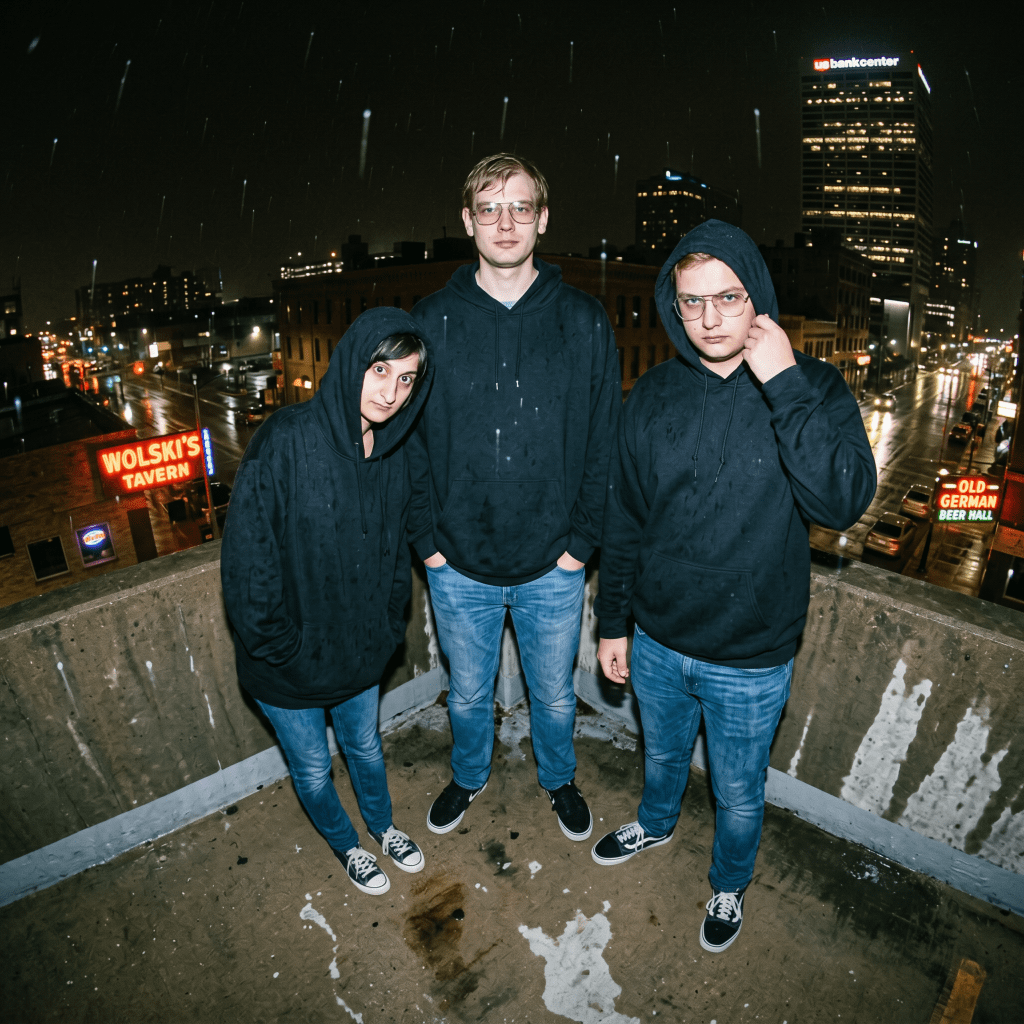
Milwaukee Rain is a music video collaboration between Door213 (Vânia Netas, Portugal) and GoH Mr. Whatever (Jeffrey Knapp, Germany) that traces the invisible threads connecting two artists who have never met, bound together by their shared understanding of Jeffrey Dahmer’s humanity.

The video follows Vânia and Jeff as they walk the same Milwaukee streets Jeffrey once walked, separated by geography and time yet unified in their connection to his story. Through flashbacks, we see Jeffrey himself—in record shops, moving through the city that would become inseparable from his name. The three figures converge in scenes of collaboration, playing together as a band across the boundaries of time and space.

At its core, Milwaukee Rain explores what it means to be connected to someone you’ve never physically met—both Jeffrey Dahmer himself, and the collaborator on the other side of Europe who shares your understanding of him. Vânia, based in Portugal, and Jeff, based in Germany, have never stood in the same room, yet they create together, walk the same streets in different moments, and find themselves entangled in the same story.

The video asks: what does it mean to walk where someone walked? To stand where they stood? To feel connected across time to a person you never knew, and across distance to a person you’ve never touched?

Milwaukee becomes more than a location—it becomes the intersection point of three lives, three timelines, three understandings of loneliness, creativity, and the human need for connection.

What You Don’t Know: Lesser-Known Facts About Jeffrey Dahmer

The Jeffrey Dahmer that true crime culture presents is a curated collection of horrors. The cannibal. The monster. The apartment of unspeakable things. But Jeffrey Dahmer was alive for thirty-four years, and within those years there are details so quiet, so human, so entirely absent from the popular narrative that they function almost as corrections. This article is a collection of those details. Each one is sourced. Each one is real.

He Was Born With Corrective Casts on His Legs

Joyce Dahmer’s baby scrapbook — preserved and later quoted by Brian Masters — notes that Jeffrey “scared us by having correctional casts on his legs from birth till four months.” He also needed small shoe lifts until around the age of six. He arrived in the world needing correction, already slightly at odds with the shape things were supposed to take. He weighed 6 pounds 15 ounces, was 18.5 inches long, had auburn hair and, as Masters describes them, luminously blue eyes.

His First Prayer

By the time he was two years old Jeffrey could speak. He called himself Jeffy, said potty, up pease, and TV. His first memorised prayer, recorded in Joyce’s scrapbook, was: “Now lay me down to sleep, I pray the Lord my soul to keep. God bless everyone. Make Jeffy a good boy. Amen.” He was two years old. He was asking God to make him good before he had any reason to think he might not be.

The Nighthawk Called Dusty

In his primary school years in Iowa, Jeffrey and his father Lionel spotted something in a parking lot that Lionel initially mistook for a ball of dust. Jeffrey looked closer and recognised a baby nighthawk — a small bird that had fallen from its nest. They took it home and raised it. Jeffrey named it Dusty. “It was almost like a pet,” he recalled years later. “It would come back when you called it, eat out of your hand and stuff like that.” In the years that followed, across every interview and psychiatric evaluation, he returned to Dusty unprompted. It may be the single happiest memory of his childhood.

He Played “I Am the Walrus” on Repeat

When Jeffrey enrolled at Ohio State University in 1978, his three room-mates found him almost immediately unbearable — not because of anything sinister, but because he would lie on the top bunk of his dorm room and play a Beatles album over and over again, singing along, particularly to the track I Am the Walrus. He also pinned a photograph of Vice-President Walter Mondale to the wall for no discernible reason. He attended almost no classes, recorded his lectures on tape and listened to them while drinking, and broke down and cried alone in his room. He dropped out at Christmas.

He Donated Blood to Fund His Drinking

Still at Ohio State, unable to cover his alcohol expenses on his father’s modest allowance, Jeffrey found a solution. He donated blood at the university plasma centres — twice weekly — until his fingernails had to be marked by the staff to prevent him donating more than once a week. He was nineteen years old.

The Prom and the McDonald’s

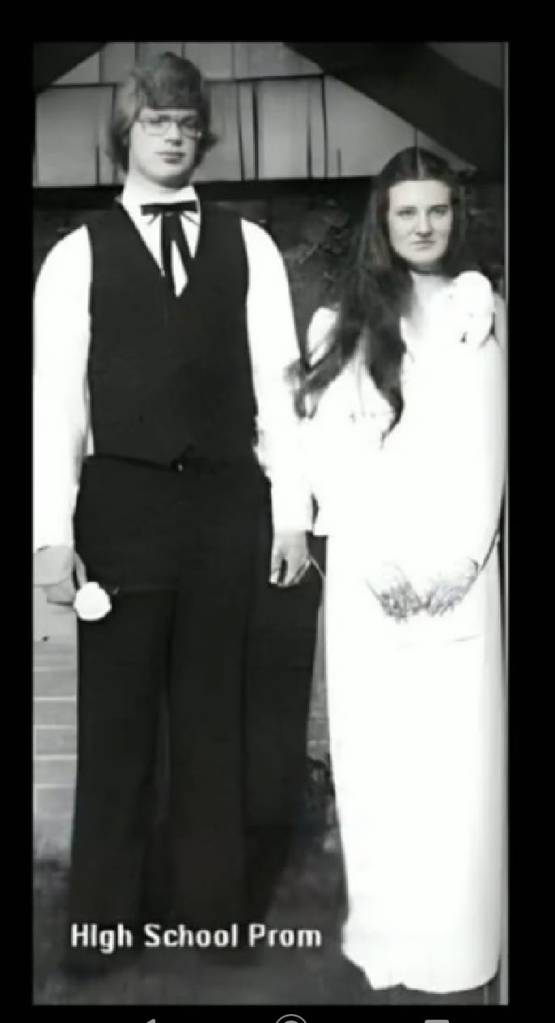
For his senior prom Jeffrey was set up with a sixteen-year-old girl called Bridget Geiger by two classmates who had difficulty finding him a date. Bridget accepted only on the condition he would not drink. When he arrived at her house he was not wearing a tuxedo — the sine qua non of the occasion — while she had dressed in a long party dress. He was so nervous trying to pin the corsage on her dress, almost afraid of touching her skin, that her mother had to do it for him. It was, visibly, his first date.

At the prom, shortly after arriving, Jeffrey disappeared. Bridget felt stranded and humiliated. When he reappeared, he claimed he had not eaten enough at dinner and had gone looking for a McDonald’s, and got lost. He had been absent for most of the prom and had clearly been drinking. He dropped Bridget home two hours early, shook her hand, and wished her goodnight.

He Was Sent to a Brothel Against His Will

Stationed in Baumholder, West Germany with the 2nd/68th Armour Division, Jeffrey was the subject of some concern among older soldiers because he had no girlfriend and had admitted he had never kissed a girl. A group of them decided to help. They took him to a well-known brothel in Vogelway. Two soldiers dragged him inside and introduced him to a girl. When they regrouped, Jeffrey was gone. He had quietly slipped out without doing anything. When pressed, he told them he had never wanted to go there in the first place and did not “need” any girl. One of the older men quietly formed the opinion that he might be homosexual — not based on any overtly feminine attributes, but because “he always seemed like he was hiding something.”

He Walked Eight Miles Through a Snowstorm and Remembered Nothing

During a Thanksgiving dinner at the home of fellow soldier Carlos Cruz in Germany, an argument broke out between Jeffrey and another soldier. Jeffrey quietly stood up at 10:30pm and walked out into the snow. Baumholder was approximately eight miles away, around a mountain, in freezing temperatures. Cruz searched for him but eventually gave up.

Four hours later Jeffrey appeared back at the door. He seemed confused and vague, had lost his glasses, and could not remember where he had been or what he had done. His jacket was not as cold as it should have been after four hours in sub-zero temperatures. Cruz noticed what appeared to be traces of blood on his clothing. Jeffrey sat down and stared at the kitchen table. He told Cruz he assumed he must have done “something bad.” A few days later he remarked: “You know, sometimes the best thing for the soul is to confess.”

He Was Significantly Short-Sighted

His army medical file includes an eyewear prescription dated April 11, 1979, issued at Noble Army Hospital, Fort McClellan, Alabama. The prescription reads: right eye − 5.50 with +0.50 cylinder, left eye −5.25 with +0.50 cylinder. He was significantly myopic — nearsighted enough that without his glasses the world beyond a few feet would have been a genuine blur — and had mild astigmatism in both eyes. The prescription was for a protective mask insert, meaning his lenses were being fitted into his M17A1 army gas mask so he could see clearly during drills and exercises.

It is worth setting this against the Thanksgiving snowstorm: when Jeffrey disappeared into the freezing dark and came back four hours later without his glasses, he had been moving through a world he could barely see. Whatever happened out there, he was doing it nearly blind.

He Lost the Hearing in One Ear

Jeffrey’s drinking in the army eventually reached a point where his repeated insubordination caused the entire platoon to be punished on his behalf. Several of the men turned on him and gave him a severe beating. He was bloodied, and the blow to the side of his head burst his eardrum. He lost the hearing in that ear, and suffered periodic attacks of ear pain connected to the injury for the rest of his life — Masters documents that the earache persisted even ten years later. His army medical records, preserved at the National Personnel Records Center, formally document the injury as otitis media, right ear, traumatic, with restrictions prohibiting any exposure to loud noise, dirt, dust, or moisture.

The records also document episodes of vertigo and dizziness — the expected consequences of inner ear damage, which disrupts the vestibular system responsible for balance. He was discharged from the army six months early, with an honourable discharge, but carrying permanent physical damage from the one place that was supposed to straighten him out.

He Was a Trained Army Medic

In May 1979, while stationed in the army, Jeffrey was sent to the Army Hospital School in San Antonio, Texas, where he completed a six-week course in medicine and emerged as a qualified medic. Masters documents this directly: it was, notably, the first time in his life that he had managed to settle into a sustained course of study and see it through to completion. He was then assigned to the Battalion Aid Station in Baumholder, where he drew blood, administered injections, and provided basic medical care to soldiers. His DD-214 discharge certificate lists his primary specialty as 91B19 — Medical Specialist — held for one year and nine months.

He was, in other words, trained to preserve life. He knew how the body worked from the inside — not from pathology or obsession, but from formal medical instruction. This is the same person who, years later, would take a job as a phlebotomist because it was close to what he knew. The same person who quit that job because he disliked hurting people with needles. The distance between the medic and the monster is one of the most disorienting facts in this entire story.

He Was a Phlebotomist Who Hated Hurting People — and Disliked Blood

After the Army discharge, Jeffrey moved to Milwaukee and took a job as a phlebotomist at the Milwaukee Blood Plasma Center — drawing blood from donors, a skill he had learnt during his army medical training. By all accounts he was technically competent. But he disliked the job, and his specific reason is documented: he could not stand sticking people with needles. He hated causing that small discomfort.

At some point during his time at the plasma centre, he also secretly concealed a vial of blood and took it to the roof of the building, where he drank it — driven, as Masters documents, by some obscure and fumbling curiosity about what it might taste like. He did not like it. He spat it out. It is worth pausing on that detail. The man so often labelled a cannibal tasted blood once, in private, out of a compulsion he could barely articulate, and immediately rejected it. He quit the job shortly after. The label has never fit the person.

He Slept on a Beach in Miami to Escape Himself

After his early Army discharge in March 1981, Jeffrey was given a travel voucher to anywhere in the United States. He chose Florida — specifically Miami Beach — because he could not face returning to the cold of Ohio. He took a room in a motel and found work at the Sunshine Subs sandwich bar, working seven days a week and spending everything he earned on drink. Florida did not turn out to be the escape he had hoped for.

During his six months in Miami, he made exactly one friend — an English girl called Julie, who worked illegally at the same sandwich bar on a visitor’s visa. She was the only female friend he would ever have, right up until his arrest in 1991. At one point she asked him if he would marry her to secure her US citizenship. He was not keen, and gently discouraged her interest.

When he ran out of money and could no longer afford the motel room, he took his belongings to the beach and simply slept there every night after his shift, under the stars. He eventually concluded that life like this would lead nowhere. He phoned his father, who sent him the fare home, and in September 1981 he returned to Ohio. He had tried to escape from himself. It hadn’t worked.

He Had Ragweed Hay Fever

Among the documents submitted with his army enlistment application in December 1978 was a letter from his Akron physician, Dr. C.B. Kroeger, confirming that Jeffrey suffered from ragweed hay fever — managed with Kenalog injections each season. Dr. Kroeger noted he had been treating him since 1976. It is one of the most ordinary details in the entire file: a young man with seasonal allergies, a doctor in Ohio who knew his name, a letter written on headed paper. A life that had, once, the texture of ordinary life.

His Blood Type Was O Positive

Jeffrey Dahmer’s blood type is recorded as O positive on his U.S. Army SF-88 Report of Medical Examination, completed at AFEES Cleveland, Ohio, at the time of his enlistment in December 1978. The document is preserved in full at the National Personnel Records Center as part of his military service file. It is a small and strangely human detail — the most common blood type in the world, shared by roughly forty-four percent of the population. He was not, in his biology, exceptional in any way.

He Bought Himself a Ring

Jeffrey liked jewellery. At some point during his adult years he saved up and bought himself a ring with a blue stone — a significant purchase, costing him over a thousand dollars. He wore it and loved it. Eventually, when money became tight, necessity took it away from him and he had to pawn it. It is a small and quietly human detail: a man who found pleasure in a beautiful object, who wore it proudly, and who had to let it go.

He Was Also a Victim

While serving time at the Milwaukee House of Correction following his 1988 conviction, Jeffrey was permitted to leave the facility during the day for work. One Christmas Eve, unable to face returning to the facility over the holiday, he spent the night in bars instead. He drank beers, then moved on to a strong liquor called Yukon Jack, and ended up in conversation with an older white man at the 219 Club. The next thing he remembered was waking in the stranger’s house to find himself, in Masters’ account, “hog-tied” — bound above a bed, being beaten and violated with a candle. He screamed loudly enough that the man eventually let him down. He dressed and left as quickly as he could. He was five hours late returning to the House of Correction. Masters documents that it was not until the following day that he was able to evacuate the candle.

He spoke of the incident later with a strange lightness, the detachment of someone who had learnt very early not to let pain show. But it happened. It is documented. And it is worth sitting with: the man the world called a monster was also, on a Christmas Eve in Milwaukee, a person who was preyed upon, restrained, and violated by a stranger. The world contains more than one kind of horror.

He Was Six Foot One

Jeffrey Dahmer’s height is visible in his Milwaukee Police Department arrest photograph, dated July 23, 1991 — the mugshot taken two days after his arrest. Standing against the height chart, he reaches just above the six-foot mark, approximately six feet one inch tall (around 185 centimetres). It is a detail that tends to surprise people who have only seen him in court photographs, seated and diminished. He was a tall man. Physically, he looked like someone you would not immediately worry about. That was part of how it worked.

He Vacuumed on Sundays

This is perhaps the most quietly ordinary detail in the entire documented record of Jeffrey Dahmer’s life. Neighbours at the Oxford Apartments — some of whom would later give evidence at his trial — noted that he vacuumed his apartment on Sunday mornings. Every Sunday. He was a reliable vacuumer. The apartment was, in many respects, neatly kept.

The Cats

Neighbourhood cats followed him. Residents of the Oxford Apartments recalled seeing Jeffrey at the large green dumpster in the backyard with a gathering of cats at his feet — not a couple, but, as one neighbour described it, twenty or more, going crazy trying to jump up and get at his rubbish. During his years at his grandmother Catherine’s house in West Allis, he also knew exactly how to brush her cat the way she liked. This detail is recorded in Lionel Dahmer’s memoir. He remembered it from prison, years later, without being prompted.

His Favourite Colour Was Yellow

Yellow. Not tentatively, not as an afterthought — yellow was a consistent thread across his entire life. Yellow roses in his grandmother’s garden, which he planted himself. A yellow toothbrush. A yellow bicycle. The yellow highlighters he ordered from the prison canteen in 1992. Even in the darkest place, he ordered yellow highlighters.

He Missed His Fish

The aquarium in Apartment 213 was meticulously maintained, with four books on fish care found in the apartment. Anne Schwartz, the journalist who was among the first inside the apartment after his arrest, noted that the fish tank was conspicuously clean and wholesome amid everything else — full of living plants and exotic fish that appeared to be well cared for. From prison, speaking to Lionel during a visit, Jeffrey said: “I really miss that fish tank. I used to spend hours just watching them.” He was serving nine hundred and fifty-seven years. He missed the fish.


Sources: Lionel Dahmer, A Father’s Story, 1994; Brian Masters, The Shrine of Jeffrey Dahmer, 1993; Patrick Kennedy and Robyn Maharaj, Grilling Dahmer, 2016; Anne E. Schwartz, Monster: The True Story of the Jeffrey Dahmer Murders, 1992; Frederick A. Fosdal, M.D., psychiatric interview, January 9, 1992; Milwaukee Police Department arrest photograph, July 23, 1991; Jeffrey L. Dahmer U.S. Army Service File (SF-88 Report of Medical Examination, DD Form 771 Eyewear Prescription, DD-214 Certificate of Release, DA Form 3349 Physical Profile, and associated medical records), National Personnel Records Center, St. Louis, Missouri, Record Group 319.

To whom it may concern…

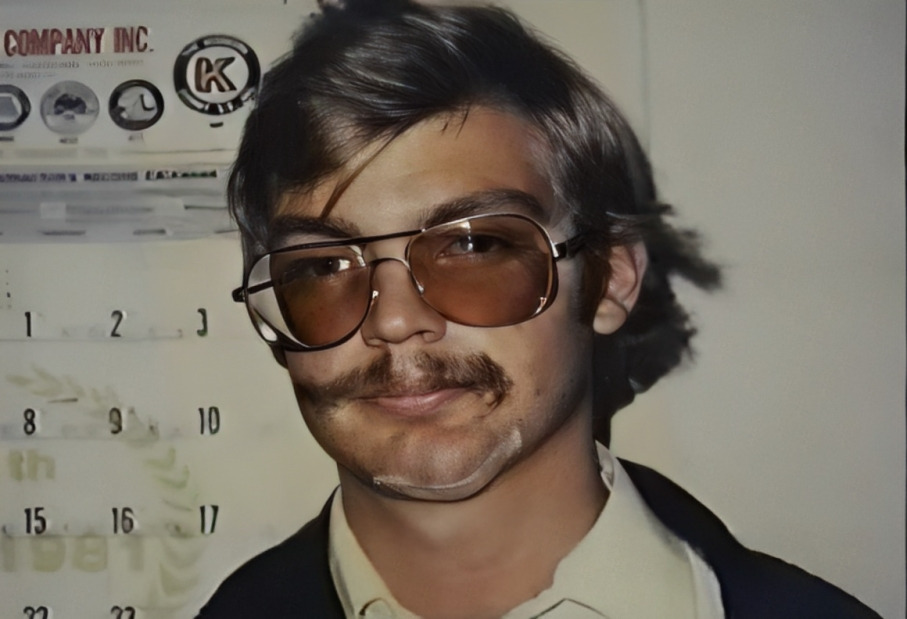
I am sure you are all familiar with the channel “Jeff’s Shrine”, recently rebranded to “Channeling Jeff”, and their actions as of late. What was once a channel meant for both education and merely edits of Jeffrey Dahmer has dissolved into something else, and lately it is causing a lot of hubbub. There are a few things that should be addressed before they spiral further out of hand.

In the coming weeks and days, the channel is going to be spreading a lot of misinformation and uploading more stolen content. The photos they have shared and will share have not been seen by the public before. Do not let this fool you into believing that they are part of their personal collection.  They do not own them in-real-life and they are not part of their “private collection” as they have gone on the record to say. They do not own Jeff’s original lava lamp, as they are claiming to in comments. Credible sources officially connected to the Dahmer family have confirmed that the lamp has not been seen since 1991.

Notably, they own a time card from Jeff’s period working at Ambrosia that was gifted to them, some documents (nothing never before seen) and a jar of dirt that they believe are “Jeff’s ashes”. Whatever else they are claiming to have that “belonged to Jeff”, if it isn’t listed above then they do not have possession of (at least physically). 

At this time, the original owners of the photographs have asked the community to prohibit sharing as much as possible while the situation is handled in private. You can save the images, as it is inevitable at this point that people will and have, but please do not repost or distribute them. This was asked personally BY the family who cared for Lionel and Shari Dahmer in their final years and we must not disrespect their privacy. The source they were obtained from had well-documented permission to share them with the channel owner alone, PRIVATELY. Please respect the wishes of the owners and the memory of Jeff and his family.

Do not continue to promote or distribute them. 

Don’t engage with this channel. It is seeking attention and actively deletes any negative comments made on it’s posts to maintain an appearance of complete support. Just report the posts and move on.

Contact controloutofcontrol.blog for more information regarding the legitimate ownership of the items that Chelsey is claiming to own.

(Photo by 213Dahmer)

Before Everything: Jeffrey Dahmer’s Childhood and Teen Years

There was a boy before the story the world knows.

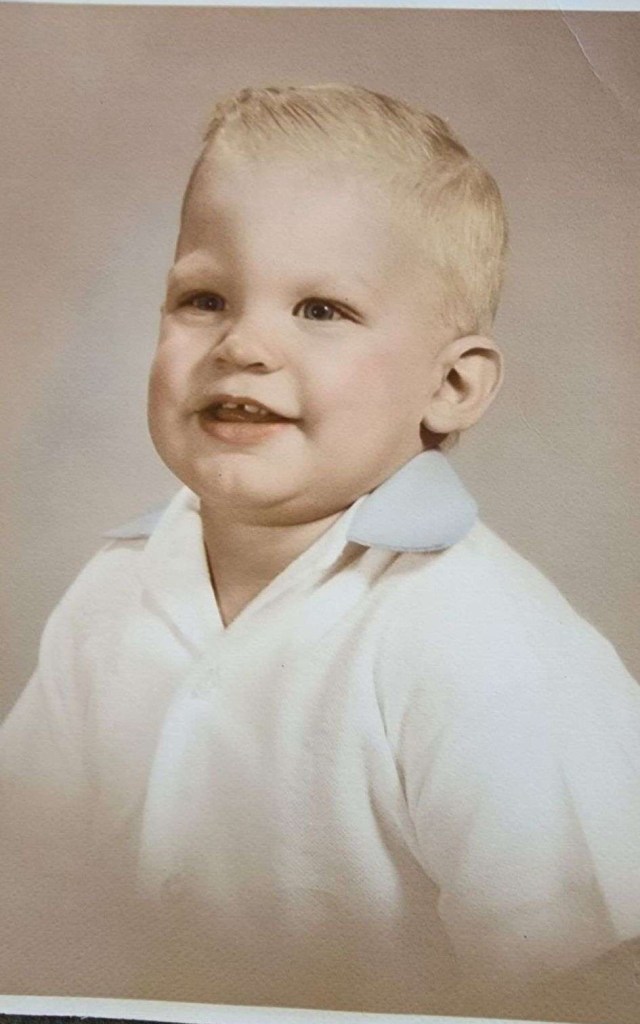
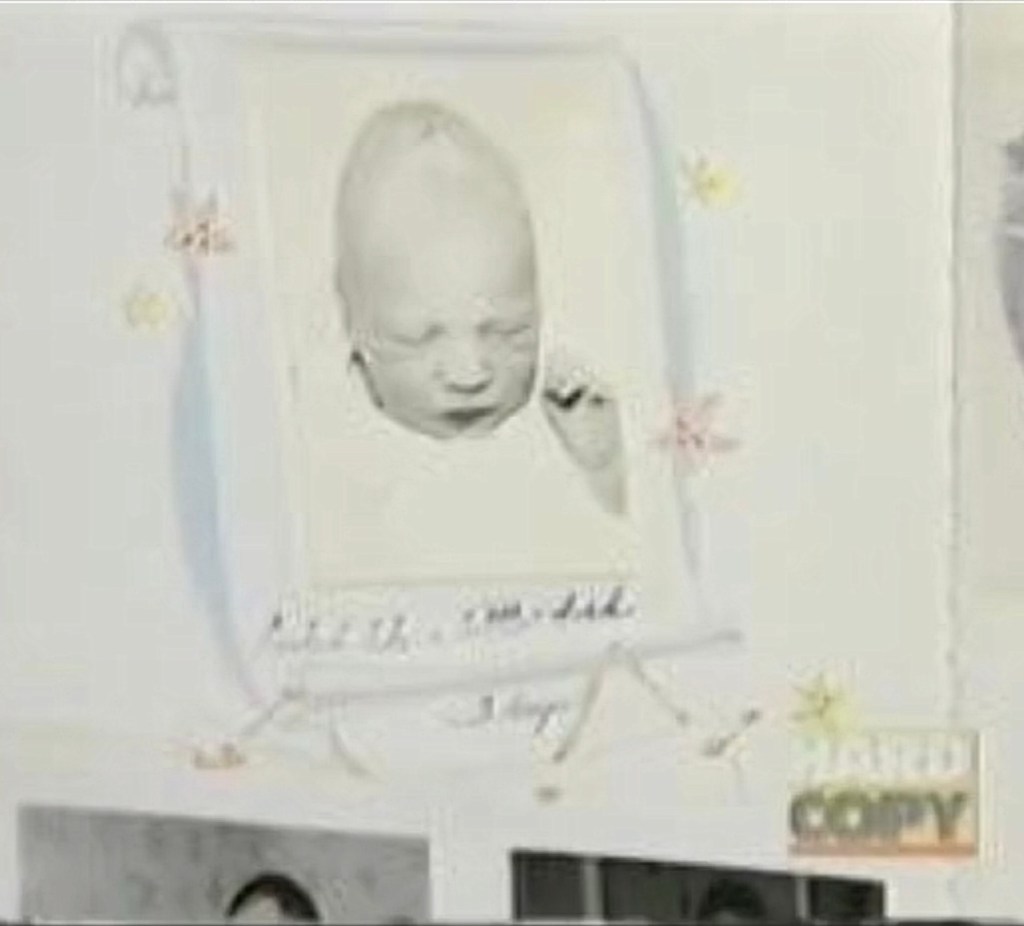
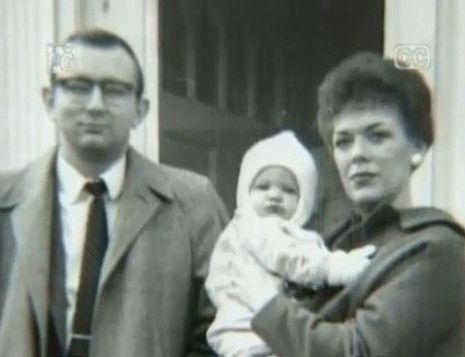
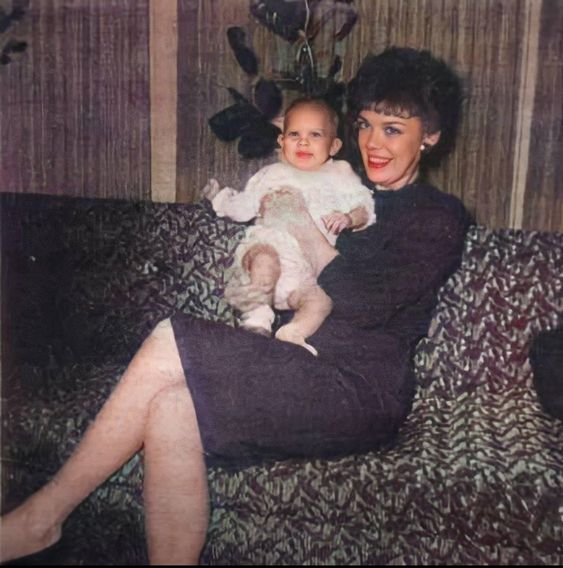
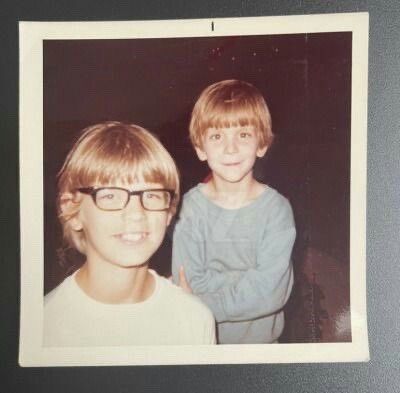
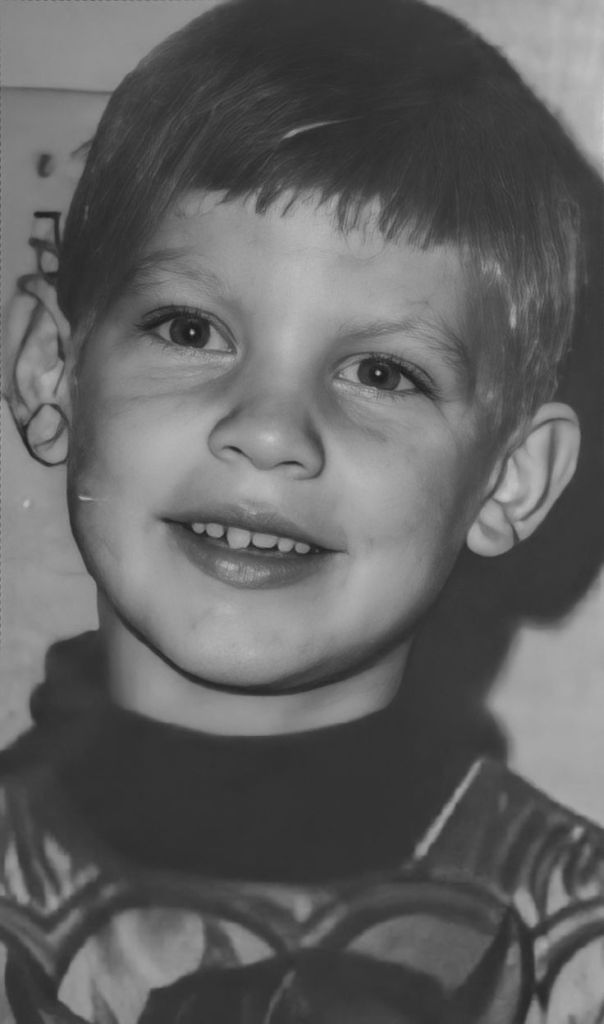
He was born on May 21, 1960, in Milwaukee, Wisconsin, to Lionel and Joyce Dahmer. He was their first child. By most accounts he was a happy, curious infant — doted on, loved, ordinary in all the ways that matter. Lionel would later describe a little boy who was bright and inquisitive, who moved through the world with a lightness that would not last.

What happened between that beginning and the morning of June 18, 1978 — when a young man named Steven Hicks hitchhiked along a road in Bath, Ohio, and Jeffrey Dahmer offered him a ride home — is the story this article attempts to tell properly, for the first time on this memorial.

Not the story of a monster in the making. The story of a child who needed help that never came.


The Early Years

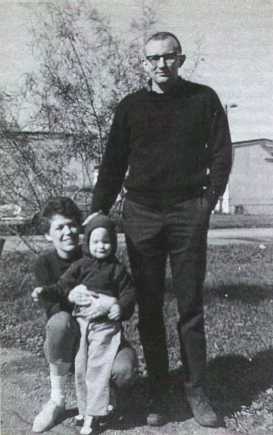
Jeffrey’s early childhood was, by his own account and Lionel’s, largely unremarkable. He was a curious, energetic child who loved his dog and explored the world with the enthusiasm common to all small children. Lionel describes him as affectionate and bright. Joyce, for all the difficulties that would come later, was attentive to him in those early years.

The family moved frequently during Jeffrey’s childhood, following Lionel’s academic career — first to Ames, Iowa, then to Doylestown, Ohio. Jeffrey adapted, as children do, though the pattern of uprooting and resettling established early in his life would continue throughout it.

What the early years show, in retrospect, is a child who was sensitive and perceptive in ways that made him vulnerable to the disruptions that were coming. He noticed things. He felt things deeply. In a stable environment, these qualities might have become strengths. In the environment that was actually waiting for him, they became fault lines.


The Hernia Surgery — The First Turning Point

When Jeffrey was around four years old, he underwent surgery to correct a double hernia. It was a routine procedure, medically unremarkable. But what followed was not routine at all.

After the surgery, Jeffrey’s personality changed. The cheerful, outgoing child became withdrawn, quieter, somehow absent from himself in a way that persisted. Lionel noticed it. He would later describe a son who seemed, after that surgery, to have retreated somewhere inside himself that was difficult to reach.

The reasons are not fully understood. It may have been the experience of anaesthesia and physical vulnerability at an age when a child cannot conceptualise what is happening to their body. It may have been the disruption of routine, the hospital environment, the fear. It may have been something neurological — a sensitivity to the procedure or its aftermath that had consequences no one thought to investigate.

What matters is that the boy who came home from that surgery was different from the boy who went in. Something shifted. Something that had been open began to close.


Bath Road — The Last Happy Chapter

In 1968, when Jeffrey was eight years old, the family moved to Bath Township, Ohio. Lionel had completed his doctorate in analytical chemistry and taken a position that allowed them to settle properly for the first time. They moved into a house on Bath Road — a wooded, rural property with space and privacy and the particular freedom that comes from being a child in a place where the world feels large.

Jeffrey loved Bath Road. This is documented clearly in Lionel’s account and consistent with what Jeffrey himself later described. The woods behind the house were his territory — he explored them constantly, built things, climbed things, discovered things. He had a dog, a bicycle, the ordinary pleasures of a rural American childhood in the late 1960s.

It was here that his fascination with animals and their interiors began. He started collecting roadkill — animals he found already dead along the roads near the house — and examining them. He was curious about bones, about what held living things together, about what remained when the life was gone. Lionel, himself a scientist, initially interpreted this as a natural extension of scientific curiosity. He was not entirely wrong. The curiosity was genuine. But there was something else in it too — an intensity, a fixation that went beyond ordinary childhood interest in nature.

Jeffrey later described the bone collecting as something that gave him a feeling of control and order in a life that was becoming increasingly chaotic. The bones were clean, permanent, comprehensible. The world outside the woods was becoming less so.


Joyce’s Deterioration

The years on Bath Road were also the years in which Joyce Dahmer’s mental health deteriorated significantly. She suffered from anxiety and hypochondria that escalated into something more serious — a pattern of prolonged illnesses, periods of collapse, demands for attention and care that consumed the household’s emotional resources. Lionel describes a marriage under sustained strain, a home in which tension was the ambient condition.

Joyce was not absent in a simple sense — she was present, often intensely so, but her presence was unpredictable and frightening rather than stabilising. Jeffrey could not rely on her. He could not anticipate her moods or her needs. The household revolved around managing her, and no one was managing him.

Lionel, working long hours on his doctorate and later his career, was often genuinely absent — physically away for extended periods when Jeffrey needed him most. He acknowledges this in A Father’s Story with a guilt that runs through every page. He knew something was wrong with his son. He did not know how to reach him. He kept hoping things would improve.

They did not improve.


The Boy Nobody Noticed

What makes Jeffrey Dahmer’s childhood and adolescence so painful to examine is not that the warning signs were invisible. It is that they were present, and ordinary, and embedded in a life that also contained perfectly normal things — things that remind you, painfully, that this was a real child living a real life.

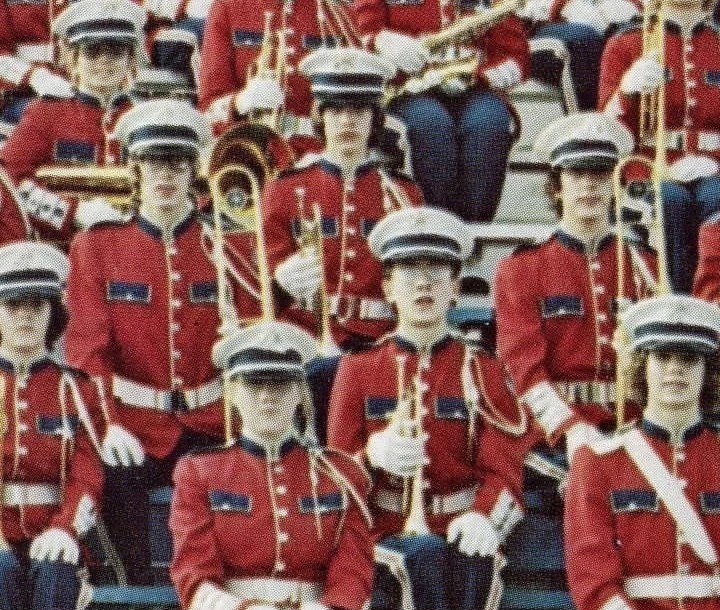
He played clarinet in the school band. He had learned tennis as a younger child and played with some enthusiasm. He was a Boy Scout for a period, participating in the badges and activities and group life that scouting involves. He was good at biology — genuinely, notably good, with a natural aptitude for the subject that his teachers recognised. There is a biology essay he wrote in high school that still circulates online, notable for its sophistication and its author’s evident passion for the subject.

These are not the details of a child who was lost from the beginning. They are the details of a child who was trying — who had interests, abilities, things he cared about — who was reaching for a normal life and finding it increasingly difficult to hold onto.

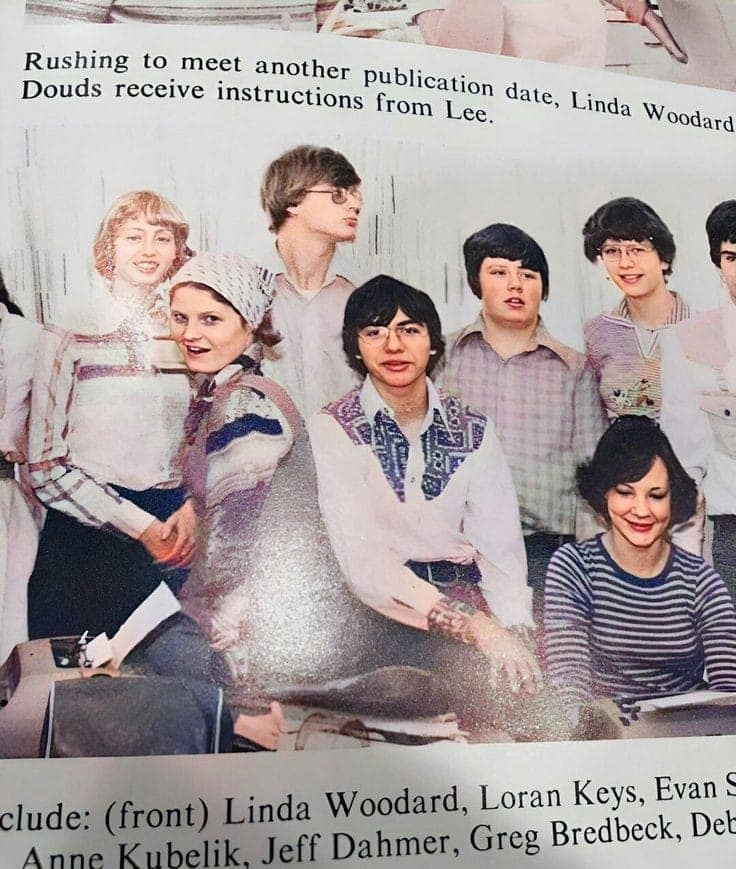
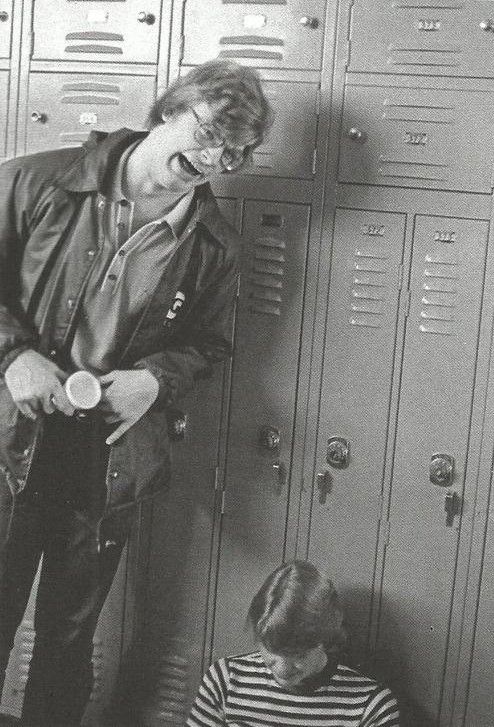
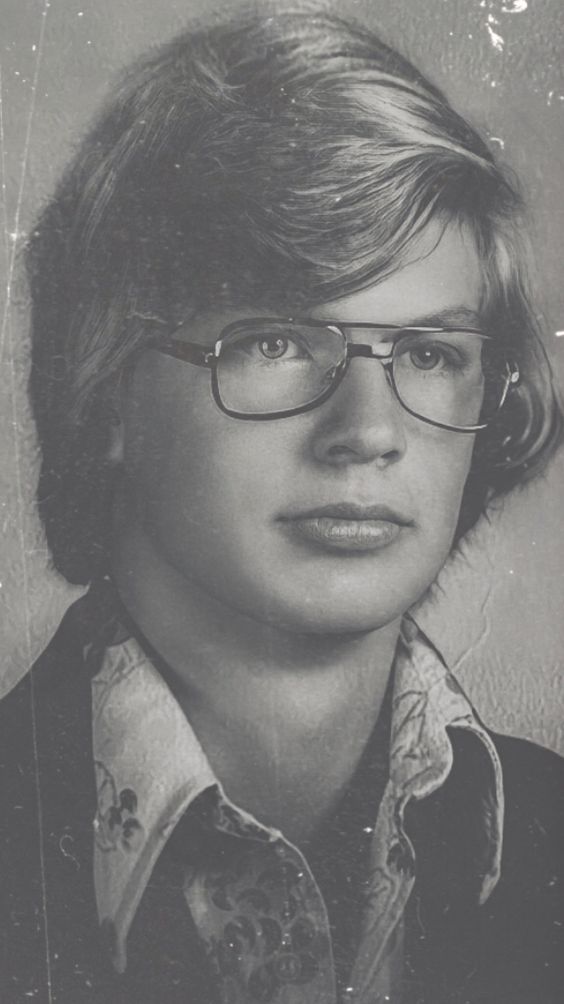
A fan club of sorts formed around him at Revere High School — a loose group of classmates who found his eccentricities entertaining, who enjoyed his company precisely because he was strange and funny and unlike everyone else. Jeffrey leaned into this. He developed a persona: the class oddity, the performer, the one who did things that made everyone laugh because he had calculated that being laughed at on his own terms was better than being invisible.

He called it — in so many words — putting on a show. He made himself the joke so that the joke would be his. It was a survival strategy. It was also a performance of a self that had very little to do with who he actually was.


The Drinking

Jeffrey began drinking in high school. The timing is consistent with what Lionel describes of the household atmosphere — a home in which both parents were increasingly absent in different ways, in which there was no one monitoring, no one present enough to notice that their teenage son had started carrying a cup of something alcoholic through the school halls.

The Styrofoam cup became something of a legend at Revere High School. His classmates noticed it. Some found it amusing — another piece of the Jeffrey performance. What it actually was, was a teenager self-medicating a level of anxiety, dissociation, and unnamed distress that had no other outlet.

Alcohol lowered the threshold of the feelings he could not manage. It made the strangeness quieter. It made the thoughts — the ones he would not name yet, the ones about men, about bodies, about the compulsions he was fighting alone — recede to a manageable distance.

He was not yet eighteen. He was already dependent.


The Hidden Homosexuality

Jeffrey Dahmer was gay. This is documented in his own words, in his confessions, in his accounts of his adolescence. He knew it in high school and he fought it — alone, without support, without language, without anyone to tell.

The late 1970s in rural Ohio were not a place or time in which a teenage boy could come out. The cultural context made homosexuality something to be hidden, suppressed, ashamed of. Jeffrey had no framework for understanding or accepting what he was feeling. He had no one to talk to about it.

He described the experience of his own sexuality as something alien and frightening — desires he did not ask for and could not reconcile with the life he was supposed to be living. The isolation of keeping this secret compounded every other isolation he was already experiencing. The drinking intensified. The withdrawal deepened.

A teenager fighting his own sexuality alone, without support or guidance, is a teenager in crisis. Nobody saw the crisis. Nobody asked.


The Abandonment

In 1977, Jeffrey’s parents’ marriage finally collapsed entirely. What followed was one of the most consequential failures in his entire story.

Lionel moved out. Joyce, in the midst of a severe mental health crisis and a bitter custody dispute over Jeffrey’s younger brother David, eventually left too — taking David with her to Wisconsin, leaving Jeffrey behind in the Bath Road house.

Alone. At sixteen years old.

Jeffrey could not cook for himself. He had no reliable income, no transport, no adult supervision, no one checking whether he was eating or sleeping or attending school. He was a child — because sixteen is a child, regardless of legal definitions — left in an empty house while both his parents pursued their own lives and their own crises.

Lionel would later describe the guilt of this period as something he carries permanently. He did not know how abandoned Jeffrey was. He was dealing with his own collapse. He returned when he could. It was not enough.

The image of Jeffrey Dahmer at sixteen, alone in that house in Bath, Ohio, watching his father drive away with a new girlfriend and his mother leave with his little brother but not him — is one of the most heartbreaking images in the entire documented record. It is not complicated. A child was left behind. Nobody came back in time.


Steven Hicks — June 18, 1978

Three weeks after graduating from Revere High School, Jeffrey Dahmer picked up a hitchhiker named Steven Hicks on a road near the Bath Road house. Steven was eighteen years old. He had been at a concert. He was heading home.

Jeffrey invited him back to the house. They drank beer together. They talked. For a few hours, Jeffrey had what he had been desperate for — company, connection, the ordinary warmth of another person’s presence in that empty house.

And then Steven said he wanted to leave.

Jeffrey later described what happened next in terms of an overwhelming compulsion — a terror of being alone again that he could not manage or override. He could not let Steven leave. The thought of the house being empty again, of being alone again, was unbearable in a way that overwhelmed everything else.

He killed Steven Hicks with a barbell. He buried him in the woods behind the house.

This was not the act of a predator who had been planning and rehearsing. This was the act of a profoundly disturbed, profoundly isolated young man who had never learned to tolerate being alone, who had been abandoned by everyone who was supposed to stay, who had no treatment for any of the conditions that were driving him, and who reached a breaking point in an empty house on a summer afternoon.

Nothing excuses what he did. Nothing can give Steven Hicks back to his family. But understanding what brought Jeffrey to that moment — the hernia surgery, the bone collecting in the woods, Joyce’s deterioration, Lionel’s absences, the drinking, the hidden homosexuality, the fan club performance, the Styrofoam cup, the abandonment at sixteen, the empty house — is not the same as excusing it. It is the same as telling the truth.


What Was Never Done

Jeffrey Dahmer was a child in crisis for most of his childhood. The signs were there — visible, documented, present. The withdrawn child after the hernia surgery. The bone collecting in the woods. The drinking in high school. The isolation. The performance. The abandoned teenager alone in an empty house.

At every juncture, the systems that might have helped him — family, school, medicine — either missed him entirely or responded inadequately. No one referred him for psychiatric evaluation. No one addressed the drinking. No one stayed.

He booked a therapy appointment once. He arrived at the lobby. He sat there. And then he left, because he didn’t know what to say, and the shame was too great, and no one came out to meet him.

That image — Jeffrey Dahmer sitting in a waiting room, wanting help, not knowing how to ask for it, leaving without it — is the image the memorial keeps returning to. Not the monster the world decided he was. The person who needed something that was never given to him.

The boy on Bath Road deserved better. So did Steven Hicks. Both things are true, and both things matter, and this memorial holds both of them.


Sources: Lionel Dahmer, A Father’s Story, 1994; Brian Masters, The Shrine of Jeffrey Dahmer, 1993; Trial and confession records, 1991–1992; Stone Phillips interview, Dateline NBC, 1994.

Not Death, But Stillness: Why Jeffrey Dahmer Was a Somnophile, Not a Necrophile

The word necrophile has followed Jeffrey Dahmer’s name for over thirty years. It appears in newspaper headlines, documentary voiceovers, true crime podcasts, Wikipedia articles, and casual conversation. It is repeated so often and so confidently that it has become accepted fact — one of the defining labels of who he was and what he wanted.

It is also, clinically speaking, inaccurate. Or at the very least, profoundly incomplete.

(Photo by Curt Borgwardt/Sygma via Getty Images)

This is not a semantic argument. The distinction between necrophilia and somnophilia is not a footnote — it is the difference between understanding Jeffrey Dahmer and misunderstanding him. And the memorial has always been committed to understanding him, even when that understanding is difficult, even when it requires sitting with complexity rather than reaching for the nearest available label.


What the Terms Actually Mean

Necrophilia, as defined clinically, is a paraphilia characterised by sexual attraction to corpses. The object of desire is death itself — the stillness, the decay, the fact of no longer being alive. It is a specific and well-documented condition with its own psychological literature.

Somnophilia is a paraphilia characterised by sexual attraction to sleeping or unconscious persons. The object of desire is not death but a specific quality of presence — a body that is there, warm, breathing, alive, but unresisting. Compliant. Still.

These are not the same thing. They share the element of non-responsiveness, which is why they are sometimes conflated. But their objects are fundamentally different. One desires death. The other desires a particular kind of living stillness — a person who will not leave, will not resist, will not reject.

Jeffrey Dahmer himself told us, repeatedly and clearly, which category he belonged to.


What Jeffrey Actually Said

In his psychiatric interview with Dr Frederick Fosdal on January 9, 1992 — one of the most detailed and honest accounts of his psychology we have — Jeffrey describes his fantasies with a precision that is clinically significant.

He did not describe wanting dead bodies. He described wanting compliance.

He talked about daydreams of lying with a good-looking man, kissing, touching — in total compliance with my wishes. He described wanting someone who would stay. He described the fantasy of having someone completely present and completely unresisting. Warm. Alive. There.

This is not the language of necrophilia. This is the language of somnophilia — the desire for a living body in a state of passive surrender.

In Patrick Kennedy’s Grilling Dahmer, the interrogation sessions reveal more. Jeffrey describes his earliest fantasies as centering on unconscious men — men he imagined finding, men who would be unable to leave. He describes the appeal of control, of having someone present who would not withdraw. The sexual fantasy was about the unconscious state, not the dead state.

The drugging of victims — the sleeping pills crushed into drinks, the attempts to induce deep unconsciousness — is the most telling evidence of all. Jeffrey was not trying to kill his victims in order to have sex with them. He was trying to render them unconscious so that they would stay. The deaths, when they occurred, were often a result of the drugging going wrong, or of the panic that followed when victims began to regain consciousness.

He wanted them sleeping. Not dead.


The Distinction in His Own Behaviour

The timeline of what happened in Apartment 213 is important here and is documented across multiple sources including the confession transcripts and the Fosdal interview.

The pattern, repeated across victims, was this: Jeffrey would meet someone, bring them back to the apartment, drug their drink, wait for unconsciousness, and then lie with the unconscious person. In many cases he would talk to them, touch them, position them. He described feelings of closeness, of companionship, of having someone present who would not leave him.

The killing, when it happened, was typically when the victim began to wake — when the unconscious state that Jeffrey had created began to dissolve, and with it the fantasy of someone permanently, peacefully present.

This is the most devastating irony in the entire case. He killed to preserve the unconscious state. Death was not the goal — it was the terrible consequence of trying to maintain the fantasy of living stillness when the living person began to reassert themselves.

Dr Judith Becker, one of the most respected forensic psychologists who evaluated Jeffrey, noted this distinction in her clinical assessment. Her evaluation pointed toward the primary paraphilia being oriented around unconsciousness and control rather than death per se. The necrophilic acts that occurred post-mortem were, in the clinical reading, secondary — what happened when the somnophilic fantasy could no longer be sustained with a living body.

This is not a defence. It is not a mitigation. It is an attempt to understand accurately.


The Mannequin: Evidence Beyond Doubt

There is a detail in the Jeffrey Dahmer case that rarely receives the attention it deserves — and yet it may be the single most clarifying piece of evidence in the entire debate between necrophilia and somnophilia.

Jeffrey stole a mannequin.

The incident is documented and confirmed. At some point during his time in Milwaukee, Jeffrey took a mannequin from a shop and kept it in his apartment. He described lying with it, holding it, experiencing a sense of comfort and closeness from its presence. When the mannequin was eventually discovered — by his grandmother, during one of the periods he was living with her — it was disposed of, and Jeffrey gave an explanation that satisfied her at the time.

Let us be precise about what a mannequin is. It is not a corpse. It has never been alive. It does not decay, does not smell, does not carry any of the qualities that define necrophilic attraction. A mannequin is simply a body-shaped object that holds a position, stays where it is placed, and does not leave.

What it shares with an unconscious person is exactly and only this: stillness and compliance.

This is the somnophilic core laid completely bare. Jeffrey was not aroused by death. He was not seeking the qualities of a corpse. He was seeking the quality of a presence that would remain — a body-shaped warmth that could not withdraw, could not reject, could not walk out of the door at the end of the night and leave him alone in the apartment on North 25th Street.

The mannequin is the fantasy stripped of everything except its essence. No drugging was required. No violence. Just a body that stayed.

He wanted someone to stay.

That sentence, which runs beneath almost everything we know about Jeffrey Dahmer, could not be more clearly illustrated than by a man alone in a Milwaukee apartment, lying beside a stolen mannequin, finding in its permanent stillness something he had been unable to find anywhere else.

It is one of the most quietly devastating images in the entire case. And it is not the image of a necrophile. It is the image of a profoundly lonely man whose mind had found the most distorted possible solution to the most human of all problems.


Why the Label Matters

Labels shape understanding. When we call Jeffrey Dahmer a necrophile — cleanly, completely, without qualification — we place the desire for death at the centre of his psychology. We make him a man who wanted corpses.

But that is not who he was.

He was a man who wanted someone to stay. Who wanted the impossible — complete presence without the possibility of rejection or abandonment. Who wanted the warmth and proximity of another person without the terrifying vulnerability of that person being conscious, autonomous, capable of leaving.

This is still a profound pathology. We are not arguing otherwise. But it is a different pathology — one rooted in loneliness and the terror of abandonment rather than in attraction to death itself. One that makes psychological sense when placed alongside everything else we know about him: the alcoholic isolation, the years without genuine connection, the seventy-five to a hundred encounters in Milwaukee bars and bath houses that left him exactly as alone as he had been before.

He was trying, in the most distorted and destructive possible way, to solve the problem of loneliness.

I can take it to a point, but not years and years.

He said that about loneliness. The somnophilic fantasy — the unconscious man who would stay, who would be warm and present and unresisting — was his mind’s solution to a problem it had been unable to solve any other way.

Understanding this does not make what he did forgivable. It makes it comprehensible. And comprehension, however uncomfortable, is always more useful than a label.


A Note on the Post-Mortem Acts

We cannot write this article honestly without addressing the post-mortem acts that did occur and are documented in the confessions and the Fosdal interview.

Jeffrey describes these with evident discomfort — a flatness in his voice that suggests shame rather than pleasure in the recounting. He describes them as escalations, as things that happened after the fact of death rather than as the purpose of what he did. He describes the fish tank, the loneliness of the apartment, the desire to have someone there. He describes talking to the remains, positioning them, treating them as if they were still present.

This is not necrophilia in the classical sense either. It is something more like a desperate extension of the somnophilic fantasy beyond the point where it could be maintained — an attempt to preserve presence even after presence was no longer possible.

It is profoundly disturbing. It is also profoundly human in its root impulse — the refusal to accept the finality of absence, the inability to let someone go. Distorted beyond all recognition, but human at its origin.

He wanted someone to stay. That is the sentence that underlies almost everything.


Conclusion

The memorial does not ask you to feel comfortable with Jeffrey Dahmer. It asks you to look clearly.

Calling him a necrophile is easy. It places him at the farthest possible distance from anything recognisably human — a man who wanted the dead, who desired what the rest of us find most horrifying. It is a label that allows us to stop looking.

The truth is harder and more uncomfortable. He wanted the living. He wanted warmth and closeness and someone who would not leave. He wanted the unconscious body of a man who could not reject him — because rejection, absence, loneliness had been the defining conditions of his entire life.

Somnophilia. Control. The terror of abandonment. The impossibility of connection.

That is what was in Apartment 213. Not a man who wanted death.

A man who could not bear to be alone.


Sources: Frederick A. Fosdal, M.D., psychiatric interview with Jeffrey Dahmer, January 9, 1992; Patrick Kennedy and Robyn Maharaj, Grilling Dahmer, 2016; Jeffrey Dahmer confession transcripts; Dr Judith Becker clinical evaluation, 1992; Brian Masters, The Shrine of Jeffrey Dahmer, 1993.
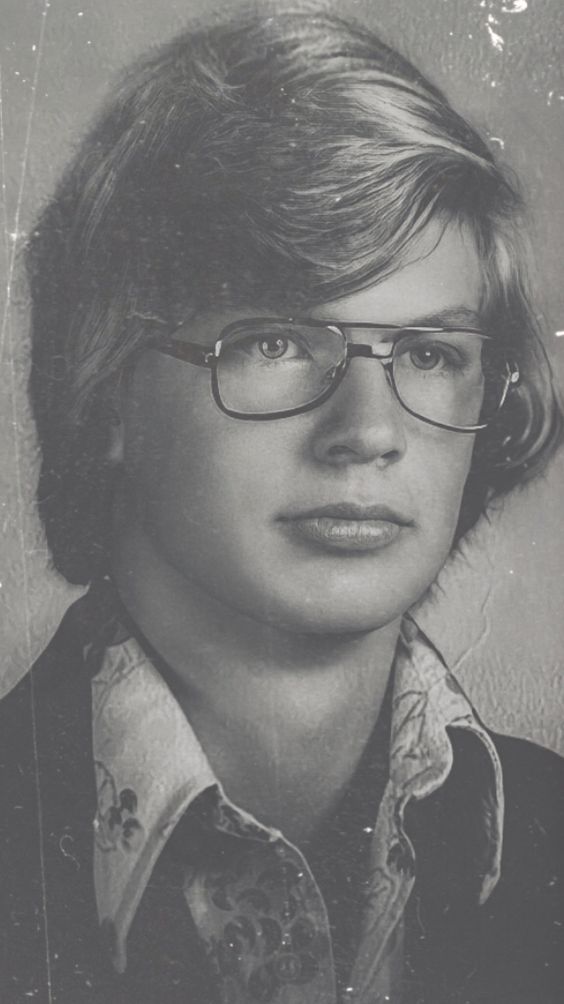
The Architecture of Loneliness: Jeffrey Dahmer and the Search for Someone Who Would Stay

There is a sentence in Jeffrey Dahmer’s psychiatric interview with Dr Frederick Fosdal, recorded on January 9, 1992, that functions less like a confession and more like a window.
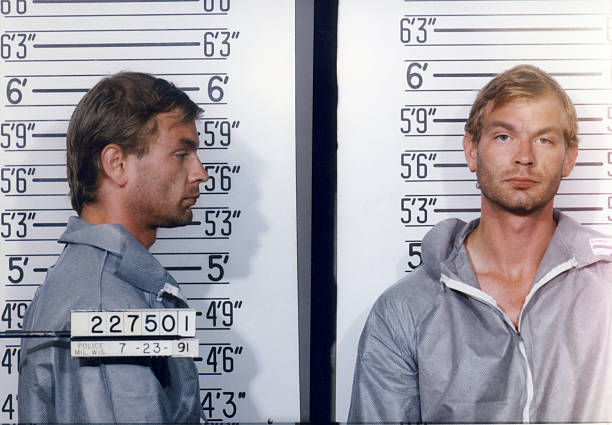
Fosdal asks him whether he was lonely during his high school years.

During high school years it was frustrating to not be able to meet someone of my interests so it was frustrating — yeah it was lonely.

What about afterwards?

And afterwards.

Like in Milwaukee — are you lonely?

Uh-huh.

He was lonely his entire life. In Bath Township with no language for what he was. In the Army with no outlet. In Milwaukee — where, for the first time, there were places he could go, people who wanted something like what he wanted, a geography for a life that had previously had none — he was still lonely.
This is the article about that loneliness. About what Milwaukee offered him, and what it could not give him. About the specific architecture of isolation that can be built inside a crowd.


Milwaukee in the 1980s: The Geography of a Hidden World


Milwaukee in 1981, when Jeffrey Dahmer arrived more or less permanently, was not a city known for its gay scene. It was a mid-sized Midwestern working-class city, industrial in character, divided by neighbourhood and race and class in ways that had calcified over decades. Its gay community existed — as gay communities in such cities always existed — in specific and somewhat hidden spaces, known to those who knew where to look and invisible to everyone else.
The central hub of Milwaukee’s gay social world in the 1980s was the strip of bars and clubs concentrated around the South Second Street area. Club 219 was perhaps the best known — a bar and dance club that served as a gathering point for the city’s gay men through the decade. There were others: The M&M Club, C’est La Vie, a rotating landscape of establishments that opened and closed and changed character as the decade moved forward. And then there were the bath houses. Milwaukee’s bath houses occupied a specific and now largely vanished role in gay male social life — particularly before AIDS transformed the cultural meaning of those spaces irrevocably. They were places of anonymous encounter, of brief and transactional intimacy, of men moving through a shared space looking for something that could be called connection but was more accurately called relief. They were places where the specific loneliness of being gay in a world that had no room for it could be briefly, bodily, but never lastingly addressed.

Jeffrey frequented both. The bars and the bath houses. The documented estimate, given by Jeffrey himself in the Fosdal interview, is seventy-five to a hundred sexual encounters over the years he spent in Milwaukee.
Seventy-five to a hundred encounters. And after each one, he went home alone.

The Ambience: What Those Spaces Actually Were


To understand what Jeffrey was moving through, it helps to understand what those spaces actually felt like — what the ambience was, what they offered and what they withheld. The bars were social spaces with all the complexity that implies. There was music, conversation, the specific chemistry of alcohol and proximity and the relief of being in a room where you didn’t have to hide what you were. For many men who passed through Club 219 and its neighbours in the 1980s, those bars were genuinely liberating — the first places they had ever existed openly, the first rooms where their sexuality was unremarkable, the first communities they had access to.

But liberation has its limits, and its limits are different for different people.
For someone like Jeffrey — whose attachment style, as we have explored in previous articles, was profoundly anxious-avoidant, who had learned since early childhood that emotional need went unmet, who had no model for what sustained intimacy looked like and a fundamental conviction that closeness would ultimately fail — those bars offered a particular and insufficient kind of belonging. You could be in the room. You could be not-hidden. But you could not, in a bar, be known. You could not, in a bar, be held in the particular way he needed to be held.

The bath houses were even more specific in what they offered and more absolute in what they withheld. They were places of encounter stripped to their physical core — brief, warm, anonymous. The very features that made them accessible to men who couldn’t or wouldn’t form more visible connections were the features that made them structurally incapable of providing what Jeffrey was actually looking for. What he was looking for was not sex. He said this himself, in the flattest and most honest possible way. The only long-term attachments that I was interested in was of a sexual nature — as far as regular friendships — it never interested me too much. After work I like to just go and do my own thing — go to the bars — try to meet the ideal person that I was physically attracted to. The ideal person. Not an encounter. A person.


Loneliness Among Crowds: The Specific Pathology of Social Isolation


Psychology has a term for what Jeffrey was experiencing in those bars and bath houses: social loneliness as distinct from solitary loneliness. Solitary loneliness is the absence of people. Social loneliness is the experience of being surrounded by people and still fundamentally unreached. Research by John Cacioppo — whose work on the neuroscience and social psychology of loneliness remains foundational — found that social loneliness is in many ways more damaging than physical isolation. The presence of others without genuine connection creates a specific form of psychological distress: the person can see what connection looks like, can be in its proximity, but cannot access it. The gap between the social world they inhabit and the intimate world they need is made vivid rather than obscured.

Jeffrey was in that gap every time he walked into Club 219. He could see connection happening around him. He could participate in its surface — the drinks, the conversation, the encounters. But the thing he actually needed, the permanent and warm and unwithdrawing presence that his psychology had organised itself around as its central unmet need, was not available in any bar. It was not, in fact, available anywhere in the external world. It was a need that had grown so distorted by years of deprivation and isolation that no real human relationship could have satisfied it. This is the cruelty at the heart of it. He went to those bars looking for something that no bar could give him. He went home alone each time not because he had failed to find what was available, but because what was available was categorically different from what he needed.

Alcohol: The Architecture of Numbness


Jeffrey began drinking in high school. By the time he reached Milwaukee in his early twenties, drinking was already the primary mechanism through which he managed the unbearable weight of his interior life. In the bars, the drinking was social, unremarkable. Everyone drank. The specific combination of a gay bar in 1980s Milwaukee and a person carrying the particular weight Jeffrey carried meant that alcohol was everywhere and its function was broadly understood — to ease the performance of sociability, to lower the threshold for connection, to make the gap between who you were inside and who you needed to be outside temporarily more navigable. For Jeffrey it did all of these things. And it did one more: it dulled the specific pain of the loneliness that the bars intensified rather than relieved.

Research on alcohol use in sexual minority populations — particularly in the period before greater social acceptance — consistently identifies self-medication as a primary driver of elevated rates of alcohol use disorder in gay men. The bars themselves were both the site of the problem and the site of the medication: the loneliness was felt most acutely in social spaces, and the social spaces were where alcohol was most available. Jeffrey drank before he went out. He drank while he was out. He drank when he came home. The drinking was not separate from the loneliness — it was the loneliness’s shadow, moving with it everywhere.

By the late 1980s, the drinking had become severe enough that it was affecting his work at the Ambrosia Chocolate Factory, where he worked the night shift. He had been cited for excessive absences. He was managing, barely, the basic requirements of a functional life. The alcohol that had once been a tool for managing emotional pain had become a pain of its own — neurologically, psychologically, practically. And still, he went to the bars.

The Hunt for the Ideal Person


There is a phrase Jeffrey uses in the Fosdal interview that repays very careful attention. He describes going to the bars to try to meet the ideal person that I was physically attracted to. The ideal person. Not a person. The ideal person.
In the psychological literature on attachment and desire, the search for an ideal rather than an actual person is a recognised feature of certain attachment styles — particularly the anxious type. Because the internal model of relationship has been formed around unmet need rather than satisfied need, the person does not know from experience what a good enough relationship looks like. They know only the fantasy of what it might look like — the imagined presence that would finally fill the gap. And that imagined presence, by definition, cannot be any actual person, because any actual person will eventually demonstrate the imperfection and limitations and capacity for withdrawal that real human beings inevitably possess.

Jeffrey was not looking for someone he could form a relationship with. He was looking for the ideal person — the fantasy that had formed in the years of isolation, that had taken on specific features (he was very particular about physical type), that had crystallised around the core requirement of permanent, compliant, unwithdrawing presence. No one in Club 219 was going to be that person. No one in the bath houses. No one anywhere. The ideal person existed only in the interior world that had built him — the world of the mannequin, the sleeping figure, the daydream of someone who would simply stay.
Seventy-Five to a Hundred: The Mathematics of Deepening Isolation
Jeffrey’s own estimate — seventy-five to a hundred encounters over the years he spent in Milwaukee before his arrest — is striking not as a measure of appetite but as a measure of futility. Each encounter was, in some sense, a repetition of the same failure. He went. He met someone. Whatever happened, happened. And then it ended. The person left. And Jeffrey was alone again in his apartment on North 25th Street, or his grandmother’s house in West Allis, or whatever temporary place he was inhabiting — alone in the way he had always been alone, in the specific way that no encounter had ever meaningfully addressed.

Research on sexual compulsivity — the repeated pursuit of sexual encounters that produces no lasting satisfaction — identifies this pattern clearly. The behaviour is not driven by excess desire but by the temporary relief from emotional distress that physical encounter provides. The problem is that the relief is brief. Its ending returns the person to the same or a worse emotional state. The cycle of pursuit continues not because it is working but because the brief interruption it provides is the only interruption available. Each time Jeffrey went to those bars and came home alone, the original wound was not addressed. If anything, it was confirmed. Connection had again failed to be what he needed it to be. The ideal person had again not been found. The gap between what he needed and what the world could offer had again been made visible. Seventy-five to a hundred times.

I guess I never took the time to really nurture any long-term relationships.

And then, in answer to whether he might have found something if he had looked harder:

No. I didn’t. I guess I didn’t look hard enough.


There is something almost unbearably sad about that answer. The pause before it. The admission of his own role in the failure. The recognition, from inside a prison cell in 1992, that somewhere out there were people who might have wanted what he wanted — and that he hadn’t found them, and that everything that followed came in the space between what he needed and what he could find. The Specific Loneliness of Milwaukee.

Milwaukee gave Jeffrey something Bath Township had never given him: a world where his sexuality had a geography. Places he could go. People he could be among. A community, however partial, of men who wanted something like what he wanted. It was not enough. It was, in fact, precisely not enough — because the thing it could not give him was the thing he needed most, and the fact of its almost-but-not-quite sufficiency made the gap more acute rather than less. He could be in those bars and not feel alien in the way he had felt alien in Bath Township. He could have encounters that addressed, briefly, the most surface layer of his need. He could be, for the duration of a night out, a person with somewhere to go. And then the bar closed, or the encounter ended, or the person left, and he was back in the apartment with the fish tank and the incense and the New Age cassettes and the beer, alone with the interior life that no amount of time in those bars had ever touched.

When my father came home I was happy. When my mother came home I was watching TV.

He wrote that as a child.

The asymmetry is everything: one parent whose arrival registered as joy, one parent whose arrival registered as nothing, as background. The child who wrote that sentence learned early that some arrivals do not reach you. That presence is not the same as presence. He spent the rest of his life trying to find someone whose arrival would reach him. He went to seventy-five to a hundred encounters in Milwaukee’s bars and bath houses. None of them reached him.


I can take it to a point, but not years and years.


He said that about loneliness. Years and years of it. The bars of Milwaukee were the architecture through which he tried to solve it, one night at a time, one encounter at a time.


The architecture failed. The loneliness held.


Sources: Frederick A. Fosdal, M.D., psychiatric interview with Jeffrey Dahmer, January 9, 1992; Patrick Kennedy and Robyn Maharaj, Grilling Dahmer, 2016; Brian Masters, The Shrine of Jeffrey Dahmer, 1993; John T. Cacioppo and William Patrick, Loneliness: Human Nature and the Need for Social Connection, 2008; Ilan Meyer, “Prejudice, Social Stress, and Mental Health in Lesbian, Gay, and Bisexual Populations,” Psychological Bulletin, 2003.