Jeffrey Dahmer – Beyond surface assumptions…


In the intricate narrative of Jeffrey Dahmer’s actions, a diverse spectrum of victims emerges, reflecting a broad array of backgrounds that transcend racial and ethnic boundaries. Upon closer scrutiny, this mosaic encompasses individuals from African American, Asian, Caucasian, and varied backgrounds, revealing a surprising absence of any definitive racial pattern. This provokes a deeper inquiry into whether Dahmer’s crimes were indeed driven by racial motivations.

At the heart of this complex narrative is the vulnerability of his victims. Many were grappling with their own formidable challenges – battling addiction, wrestling with homelessness, and enduring personal struggles that impart a deeper complexity to Dahmer’s motives. Rather than subscribing to a rigid racial agenda, his actions seem more aligned with a sinister proclivity to exploit pre-existing vulnerabilities.

Amidst the examination of Dahmer’s actions, it’s crucial to also recognize an often overlooked aspect of the story: his own victimhood. Delving into the depths of his psyche, it becomes evident that he, too, was ensnared by his own compulsions, a chilling reality that often remains overshadowed.

Within this narrative, it’s essential to acknowledge that Jeffrey Dahmer had a family – a voice that often remains unheard amid the tumultuous conversations surrounding his crimes. This recognition offers a perspective that broadens the lens through which we view the narrative, urging us to consider the ripple effects of his actions on those he left behind.

As we navigate this intricate tale, it becomes apparent that a multi-faceted exploration is essential. By delving beyond the surface, we uncover a narrative that defies easy explanation. In considering the lack of racial motives, Dahmer’s own struggles, and the voices of his family, we grasp the profound complexities that underlie his actions, reminding us that understanding such narratives requires a holistic and empathetic perspective.

Vital importance of violence prevention

In our contemporary society, violence prevention has emerged as a matter of paramount significance. Against a backdrop of heightened awareness surrounding mental health and overall well-being, it becomes imperative to adopt effective measures to avert potential acts of violence. While resources abound for individuals grappling with suicidal ideation, an evident disparity persists in the realm of online assistance for those contending with thoughts of violence. This gaping void in support stands as a critical security loophole that necessitates immediate rectification.

A striking illustration of this issue materializes when we examine a simple online query, such as “I have thoughts of suicide.” In response, a prominent search result instantaneously presents a lifeline contact and references to counseling centers poised to offer guidance to individuals mired in suicidal crises. This rapid reaction and immediate assistance play an instrumental role in safeguarding the lives of vulnerable individuals and furnishing them with the requisite aid during periods of acute distress. Conversely, a search inquiry for “I have thoughts of committing violence” exposes a palpable inconsistency in online support. Critical resources and institutions designed to offer assistance to individuals harboring violent inclinations are conspicuously absent. This shortfall in aid potentially results in individuals wrestling with aggressive thoughts failing to secure the necessary support, potentially leaving them ensnared in perilous situations.

A telling case study that underscores the ramifications of such a support gap is the instance of Jeffrey Dahmer. His notoriety as a serial killer and necrophile reveals a haunting narrative of a troubled individual who, despite exhibiting early warning signs of violence, did not receive timely intervention. The absence of accessible online resources akin to those readily available for individuals with suicidal thoughts further emphasizes the urgent need for a balanced approach to violence prevention.

Remedying this security vulnerability demands a concerted collaborative effort encompassing society, technology enterprises, and mental health professionals. Much like the protocols established for suicide prevention, a commensurate framework should be devised for violence prevention, including the development of online repositories, establishment of helplines, and provision of counseling services to guide individuals with inclinations toward violence onto constructive trajectories of change.

The need of the hour is to heighten societal awareness of this multifaceted challenge and actively advocate for equitable support catering to both individuals with suicidal and violent thoughts. By comprehensively addressing this lacuna in online assistance, we can contribute substantively to cultivating a secure, nurturing environment for all strata of society. Violence prevention is unequivocally a collective responsibility—a concerted endeavor to ensure the well-being and security of all individuals.

Speculation Emerges on Jeffrey Dahmer’s “Potential” Autism Spectrum Disorder: Insights into a Troubled Mind

Speculation Emerges on Jeffrey Dahmer’s Potential Autism Spectrum Disorder: Insights into a Troubled Mind

Introduction:
Jeffrey Dahmer, one of the most notorious serial killers in modern history, continues to captivate public interest due to the depths of his heinous crimes. As time passes, new perspectives and insights emerge regarding his psychological makeup. One such recent speculation revolves around the possibility that Dahmer, who operated during the 1980s and early 1990s, may have suffered from autism spectrum disorder (ASD). While the disorder was not widely diagnosed during his lifetime, the evolving understanding of ASD prompts us to reconsider his predisposition and its potential impact on his actions.

Emerging Speculation on ASD:
In recent years, speculation has surfaced regarding the possibility that Dahmer may have had undiagnosed ASD. Autism spectrum disorder is a neurodevelopmental condition characterized by difficulties in social interaction, communication, and repetitive behaviors. The disorder was not as widely understood or diagnosed during the time of Dahmer’s life, which makes retrospective analysis all the more challenging.

Predisposition to ASD in 2002 Study:
In 2002, a study conducted by Dr. Helen Morrison, a forensic psychiatrist, suggested that Dahmer exhibited traits consistent with ASD. The study aimed to explore potential links between specific personality disorders and serial killing. Dr. Morrison’s examination of Dahmer’s life, childhood, and psychological profile led her to propose that he may have met the criteria for an autism spectrum disorder diagnosis.

Analyzing Dahmer’s Behavior and Traits:
Supporters of the hypothesis point to several characteristics in Dahmer’s life that align with ASD tendencies. These include his social difficulties, recurring rituals, and limited emotional expression. Dahmer’s obsession with collecting and preserving body parts and his rigid adherence to specific routines also draw parallels with common ASD traits, albeit in a highly aberrant and extreme form.

The Complexity of Causation:
It is important to note that correlation does not equal causation, and the emerging speculation regarding Dahmer’s potential ASD should be treated with caution. While certain traits may suggest a predisposition, they cannot solely explain his violent and criminal actions. Numerous factors, including psychological, environmental, and sociocultural influences, contribute to the development of an individual’s psyche and behavior.

The Significance of Retrospective Analysis:
Speculating on the presence of ASD in a historical figure like Jeffrey Dahmer serves as a reminder of the evolving nature of psychological understanding. With advancements in diagnostic criteria and increased awareness surrounding ASD, experts can now reinterpret past cases through a different lens. Although it may never be definitively confirmed whether Dahmer had ASD, this exploration raises awareness about the complexities of mental health and the need for early intervention and support.


The speculation surrounding Jeffrey Dahmer’s potential autism spectrum disorder provides a fresh perspective on his troubled mind. While retrospective analysis remains an imperfect science, it prompts us to consider the multidimensional factors that contribute to criminal behavior. As our understanding of mental health deepens, this discussion serves as a reminder of the importance of early detection, diagnosis, and intervention for individuals on the autism spectrum. Ultimately, it underscores the need for continued research and compassion to prevent future tragedies and promote a better understanding of the human psyche.

The Potential Link Between Jeffrey Dahmer’s Surgery and His Disturbing Behavior/ DR JUDITH BECKER

Dr. Judith Becker/ Dahmer trial

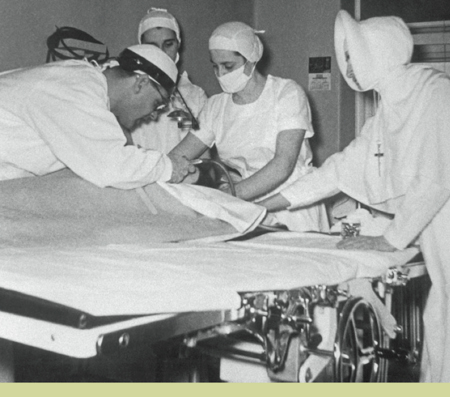
In the case of Jeffrey Dahmer, Dr. Judith Becker, an expert in forensic psychiatry, has speculated about a potential connection between his childhood hernia surgery and his later behavior. Her statement raises questions about the influence of traumatic medical experiences on individuals, particularly in relation to Dahmer’s disturbing actions of cutting up bodies.

During the 1960s and 70s, it was not uncommon for babies & young children to undergo surgeries without adequate anesthesia. These experiences were often painful and traumatic, leaving a lasting impact on the psychological well-being of the individuals involved. That was compounded also by the fact that studies in the 1940s had incorrectly stated that babies and infants lacked the capability to feel pain, after they seemed to be unresponsive to pinpricks for example. This was later explained by a failure to correctly interpret infant body language.


Jeffrey Dahmer’s Surgery and potential coping mechanisms

Jeffrey Dahmer, as a child, underwent a hernia surgery. It is believed that this surgery, in the early 60s, may have been performed without sufficient anesthesia. Dr. Judith Becker has speculated that this traumatic experience could have influenced Jeffrey’s later behavior, particularly his inclination towards violence and the gruesome act of dismembering and cutting up bodies. After the operation, 4y.o. Jeffrey asked his parents if someone had cut off his penis. This inquiry raises the distressing possibility that he may have felt pain or confusion during the procedure, which could have influenced his subsequent behavior.

Dr. Judith Becker’s Statement

Dr. Becker about Jeff during an interview for a documentary

Dr. Becker ( expert witness during legal proceedings), presented her speculation regarding the potential connection between Jeff’s surgery and his subsequent behavior. Her statement suggests that traumatic medical experiences, such as Jeffrey’s surgery, can have profound psychological effects on individuals, potentially shaping their behavior in unsettling ways. The impact of traumatic experiences on individuals’ psychological development is a multifaceted issue. While traumatic events can contribute to the development of psychological conditions and maladaptive behaviors, it is important to consider other factors, such as genetic predisposition, environmental influences, and individual coping mechanisms, when examining the root causes of disturbing behavior.

Continued Research and Awareness

Dr. Becker’s speculation regarding Dahmer’s surgery and its potential influence on his behavior underscores the need for further research and understanding in the field of trauma. Investigating the relationship between childhood medical trauma and long-term psychological outcomes can provide valuable insights into the complexities of human development, aiding in the identification of interventions to mitigate the potential negative impacts.

The significance of the operation in the trial against Jeffrey Dahmer did NOT receive adequate attention and was not taken as seriously as it should have been. Despite the potential trauma and pain Jeffrey may have experienced during this surgery, the court proceedings focused primarily on his later disturbing actions.The case of this experience and his subsequent disturbing behavior highlights the significance of traumatic medical experiences in shaping an individual’s psychological well-being. While Dr. Becker’s statement offers a speculative perspective, it prompts us to consider the potential connections between traumatic events and aberrant behaviors.


BONUS

Dr Becker telling studends about Jeffrey Dahmers case and how she was involved 🙂

so far gone

when i see those polaroids, it’s very strange. it’s absolutely horrifying, yes.. hard to believe a human being could even do that to another. but as i look at them, the main thing i end up thinking about is just how far gone jeff was. how profoundly sick he must have been in order to do these things at all.. and not only that, but NOT be a sadist. NOT be someone who enjoyed causing suffering. it makes it clear just how much of an unfathomable death grip his addictions must’ve had on his mind for him to go to these lengths.

it’s quite understandable why some people think he must have been sadistic in order to do this shit. and yet he wasn’t, and we have plenty of evidence to show this. so as much as i guess i feel an outside pressure to hate him for it, i still can’t. i’ll never hate jeff, ever. i still feel just as terrible for him as i do for his victims. the tragedy just goes that much deeper in my mind.

this is the face of a broken man.


[ • dahmers-ashes • ]

Power of forgiveness

Jeffrey Dahmer, AI Art

Within the depths of remorse, the soul of a killer lingers, burdened by its actions. A victim of unfortunate circumstance, it found itself in the wrong time and place, meeting its untimely end at the hands of another human. Yearning for redemption, it reminds us of life’s fragility and the transformative power of forgiveness. The tale of the remorseful killer serves as a somber reflection on the fragile nature of existence. It compels us to confront our own vulnerabilities, urging us to consider the impact of our choices and actions. Through its story, we are reminded of the potential for redemption that resides within each of us, a flickering light amidst the shadows.

May this tale etch upon our hearts a profound lesson, reminding us to approach judgment with humility and to offer compassion where it is needed most. Let us navigate the intricate tapestry of life with gentle steps, mindful of the interconnectedness of our stories. For in understanding the plight of the remorseful soul, we gain a deeper understanding of our shared humanity.

The humanity within: Jeffrey Dahmer was a complex human being

Jeffrey Dahmer’s existence unveils the profound humanity that lurked within, challenging society’s tendency to reduce him to a monstrous label.

Young Jeffrey Dahmer

It is crucial to grasp that he was a complex human being with his own thoughts, emotions, and struggles. Recognizing Jeffrey’s humanity does not diminish the gravity of his actions; instead, it emphasizes the need to understand the intricate factors that led to his descent into darkness. By acknowledging his humanity, we confront the unsettling truth that anyone, under specific circumstances and influences, could potentially succumb to destructive paths.This acknowledgement compels us to examine the societal and psychological elements that contribute to such horrors. It calls for a compassionate society that fosters empathy, early intervention, and mental well-being, addressing the underlying complexities of human behavior.

In our pursuit of healing and prevention, let us not forget the humanity and soul within people like Jeffrey Dahmer. By acknowledging their humanity, we can build a future focused on compassion, understanding, and the well-being of all.

Jeffrey Dahmer: The unique existence of a troubled soul…

Jeffrey Dahmer occupies a distinctive place among serial killers. While his actions remain horrifying, it is crucial to delve into his unique existence, which sets him apart from other notorious figures. A closer examination reveals intriguing facets, including his display of remorse, unconventional motivations, and a deviation from the conventional sadistic nature associated with such individuals.


One striking aspect of Dahmer’s existence is the presence of remorse. Unlike many serial killers who show little to no guilt for their heinous acts, Dahmer expressed genuine remorse for the pain and suffering he caused. This element challenges our perceptions and underscores the complexity of his psychological makeup.

Jeffrey’s motivations diverge from the stereotypical sadism commonly associated with serial killers. While his crimes were undeniably monstrous, it is important to recognize that his primary drive was not deriving pleasure from inflicting pain. Instead, Jeffrey was driven by an overwhelming desire for control, companionship, and a twisted quest for a sense of connection that tragically manifested in horrific acts. Jeffrey Dahmer’s unique existence reveals a surprising human dimension that is not commonly found among serial killers.

His actions were not solely driven by sadistic impulses; rather, they were born out of a desperate need to fill an emotional void within himself. This distinction challenges our understanding of the motivations behind such crimes, highlighting the complex interplay of psychological factors that can drive individuals down dark paths. Jeffrey’s remorse and unconventional motivations mark him as a rarity among his notorious peers.

His willingness to express regret and introspection sets him apart from those who revel in their violence and show no remorse. This distinction provokes further questions about the intricate dynamics that shaped his troubled existence and the potential for redemption in even the most depraved minds.The existence of Jeffrey Dahmer defies easy categorization. It forces us to confront the enigmatic nature of human psychology and the intricate interplay of factors that contribute to extreme acts of violence.

While his crimes remain unforgivable, his display of remorse and unique motivations challenges us to grapple with the complexities of his troubled soul.


wrong place, wrong time

jeff is such a case of wrong place, wrong time. an outlier, tossed into a timeline that was just wrong for him and those around him, but just right for those who wish to study him. a sacrificial lamb of a soul, showing the world the worst-case scenario of what could go wrong when someone’s neurodivergences are left ignored and suppressed.

metaphysically, it’s not even his fault that he existed as he was. he was stuck that way, and there was no undoing it, no deviating from that life path he had to take on. it really does seem fated in a sense. if all the world’s a stage, then someone had to play the role of the tortured criminal, and it just had to be him.

i wonder.. if reincarnation is real [which i believe it is — matter can neither be created nor destroyed, and i’m sure consciousness exists eternally in the same way]. did he know that he had to incarnate in that way? taking one for the team, so to speak? or was he ultimately just some selfish horny fuck and there’s nothing deeper to it than that?

i mean, when i see his eyes in photos, i SEE an ultimately good soul there. a good soul that’s been ravaged and broken by its own incarnation. but of course, we don’t really have the tools to measure such a thing scientifically. so it’s all just up in the air for now. doesn’t mean it doesn’t exist, though. it’s that sort of thing that keeps me wondering.

i do wonder how much self-awareness really does for a person in the end, though. jeff was as self-aware as he could be — on his own, with no outside help that matched his level cognitively — but he still killed 17 people. it’s just waking up to find you’re in hell. the existential horror of being jeffrey dahmer.

he experienced the bystander effect within himself. just a passive “i know i have to stop..” but an inability to INITIATE that action. it’s almost like executive dysfunction, but drawn out over a long period of time. and just like how all humans are biologically programmed to take the easier route, as it conserves energy, jeff acted on his impulses time after time. a sort of paralysis while still in motion. in many ways, he was paralyzed mentally.

same kind of thing with any addiction that grabs hold of you and doesn’t let go. people seem to think that if you can act at all, then you have a choice to stop whatever you’re doing. well, brain chemicals don’t work that way. he was able to stop for 9 years, yes, but that took all of his strength. eventually the muscles grew tired and he collapsed under the weight of his obsessions. and after that, he just gave in. he was tired of fighting it. he resigned himself to his fate.

just the same as with any addict relapsing. anything can trigger it. even something as small as a dirty note given to you in a library.

and back to the incarnating thing.. i wonder if maybe his “soul” or whatever knew someone had to live that life. someone had to be the bad guy, the poster child for the result of our stubborn refusal to understand mental health, our unrelenting desire to equate accountability with rage and punishment instead of understanding and compassion.

just like how someone had to betray jesus in order to get the ball rolling for his death and resurrection, i guess. someone had to play that role, and judas was the one who drew the short straw. maybe jeff had to be a sort of judas figure for the mental health field, causing the chaos that will set the much-needed transformation in motion. a devastating yet necessary catalyst.

¡ guess i just don’t want to blame him for being human. there was a lot going on in his mind, in his body, and he had no actual help for it that resonated with him. nothing that stuck. no one who truly GOT him.

i just wonder how strong any of us would’ve been against a biochemical cocktail like what he was stewing in for his whole life. especially when communicating it and being understood was impossible.

yes, people did try to help him, but it was in all the wrong ways.

the man was truly fighting himself all on his own.

[ • dahmers-ashes • ]

the tragic teacher

jeff never thought his life could be helpful to anyone, but he really has helped me a ton. he’s helped me think more deeply about people, about psychology, about the different ways in which the system fails us all, and about the complex nature of morality and human nature in general.

jeff is a teacher and subject both, perhaps inadvertently so. he didn’t recognize his own power. but i’m always going to be grateful to him for that. his actions were horrific, but his existence has somehow still helped us all here in this community. those who’ve wished to study him deeply have uncovered a lot of profound truths along the way.

like a retrograde planet, jeff’s existence bungled things up quite a bit, but it also taught us a lot in the process. and there are always going to be retrogrades. on a grand scale, we need them.

and i hate even saying that because it seems like an insult to his victims. they certainly didn’t deserve to die or be violated in all those horrible disgusting ways. it’s sort of making me squirm to even have this thought at all right now. but i guess death gets us all at some point; it’s just a matter of how it happens and what — or who — brings it. and sometimes society as a whole needs a shock to it in order to recognize that the current setup is absolutely fucked and needs to change. it’s just how the huge complex rube-goldberg contraption called “the world” is set up.

unfortunately, someone has to play the bad guy. like how judas had to betray jesus in order to get the ball rolling for his death and resurrection. without judas, the whole thing would never have happened. he hated himself for what he did, too, and he hung himself because of it.

i see jeff very similarly. he’s a catalyst for change.

and now somehow i’m linking this with the trolley problem. a few casualties for the good of the whole later on down the line? it’s cruel. it’s brutal. it’s a horrible reality. but the only way we can improve things as they are, i guess, is by fighting fire with fire at some point.

i don’t know. this might all be bullshit and i might regret saying it in about 5 minutes. i feel like i’m being insulting to jeff’s victims by saying it. but i’m also not married to these thoughts, either — they’re just swimming through my head, and i might read over them again in an hour and hate them. but maybe there’s a similarity there in that i’m thinking brutal thoughts and am self-aware at the same time, just as jeff was self-aware and yet couldn’t stop causing destruction.

i think his fame was necessary. he had to slam into our collective consciousness like a meteor and leave a huge crater so we can later fill it with new lessons and knowledge.

it makes sense that he came to light during the early 90s, with all that harsh outer-planet shit that was going on right then. capricorn and scorpio, saturn and pluto dominance. saturn is the grim reaper swinging his scythe; pluto destroys and rebuilds. jeff was absolutely a harbinger of all this outer-planet energy.

maybe in his next life, jeff will go on to be an even greater force for helping people than he was for harming them. maybe he’s already doing that right now. he just needed to go through a really nasty incarnation first.

maybe he needed to experience firsthand what horrors one human is capable of before he could help change this in the next life. i do wonder how many of us have at least one past life where we were a murderer or a rapist or some other awful person, and that’s what’s made us wiser in the end and we just aren’t aware of it.

the difference with jeff is that he seemed to retain some awareness that this was wrong. he’s bridged the gap so we can peer into the other side. he’s relatable because we need to be able to recognize these traits in ourselves.

only then can we take the first step toward righting our wrongs.

[ • dahmers-ashes • ]